



Eastern Australia is bracing for a potential increase in blackout risks starting in 2027. This warning comes as the grid struggles to adapt to the scheduled closure of the Eraring coal-fired power station, the largest in the nation, and the rapid expansion of rooftop solar power. Despite plans to replace Eraring with renewable energy sources and new power lines, experts are concerned about the grid’s ability to maintain a stable electricity flow, which is crucial to preventing sudden blackouts.
New South Wales Energy Minister Penny Sharpe highlighted the urgency of the situation, stating that the state is “in a race to replace our ageing coal-fired power stations.” Origin Energy, the company behind Eraring, had previously agreed to delay the plant’s closure from 2025 to 2027 due to grid readiness concerns. However, there is a possibility that this timeline may need to be extended again.
Grid Stability Concerns
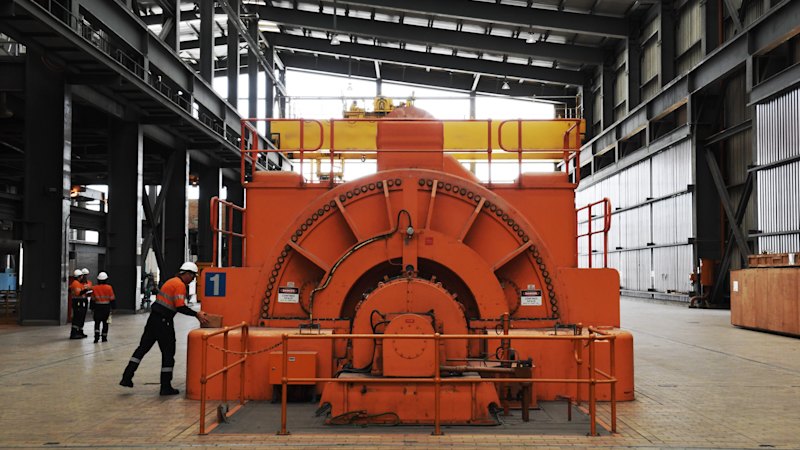
The Australian Energy Market Operator (AEMO) is set to release a report indicating that Transgrid, the owner of the NSW grid, is working swiftly to install new equipment to stabilize the grid. However, this equipment is unlikely to be operational until at least 2028. The NSW government is attempting to expedite the installation of synchronous condensers, which help stabilize the grid similarly to coal and gas plant turbines.
Sharpe emphasized the government’s efforts, stating, “The NSW government is accelerating the delivery of synchronous condensers by 18 months, and passed legislation to do this.” Maintaining system security, which includes inertia traditionally provided by spinning turbines, is essential for the grid to handle sudden demand spikes or power plant failures.
The Role of Renewables
Most of Australia’s coal plants, which have historically provided system security, are slated to retire by 2035. The shift towards a renewables-dominated grid, as identified by CSIRO and AEMO, is considered the most cost-effective replacement strategy. However, the surge in rooftop solar systems, while reducing daytime electricity prices, does not contribute to system security, complicating grid management.
AEMO has warned that the loss of inertia and system strength from the scheduled closure of Origin’s Eraring coal plant in 2027 would create a heightened blackout risk in NSW.
Transgrid has acknowledged the potential for system strength gaps between Eraring’s retirement and the installation of new synchronous condensers. The company has suggested that additional coal, gas, or hydropower might be necessary to meet minimum system strength requirements.
Future Steps and Government Initiatives
Transgrid is collaborating with AEMO, the NSW government, and the broader electricity industry to mitigate risks and ensure a secure energy network. A spokesperson for Origin Energy mentioned that while the base plan is to close Eraring in 2027, the company is considering various scenarios and may extend operations until 2029 if necessary.
Daniel Westerman, AEMO’s chief executive, emphasized the urgent need for investments in technologies like condensers and large batteries to address identified risks. He noted that AEMO has been highlighting system strength issues in NSW since 2021.
Federal Energy Minister Chris Bowen pointed out that significant increases in large-scale and home batteries are projected for the grid. He stated, “The energy market operator calls out Cheaper Home Batteries and our Solar Sharer offer as policies that won’t just deliver lower bills for households but also help secure our modern, reliable grid.”
More than 120,000 installations have been delivered since June under the government’s Cheaper Home Batteries program.
As Australia navigates this transition, the government faces pressure to bolster gas power plant support for renewables. Additionally, there are calls, notably from the ACTU, to impose a 25 percent tax on all liquefied natural gas exports to increase revenue and encourage domestic gas supply.
The developments in Australia’s energy landscape underscore the complexities of transitioning to a renewable future while maintaining grid stability and energy security. As stakeholders work to address these challenges, the coming years will be critical in shaping the nation’s energy strategy.