

As Australians enjoy the quiet week between Christmas and New Year, political concerns typically take a backseat. However, the recent Bondi terror attack has thrust domestic security into the spotlight, reminding citizens that national challenges persist even during the holiday season.
Amidst this heightened security discourse, another pressing issue looms: Australia’s economic trajectory. In recent years, the nation has slipped into a pattern of managing rather than reforming, raising questions about whether 2026 will break this cycle of political inertia. Although not necessarily a crisis year, 2026 could mark a turning point as economic prosperity, once taken for granted, steadily wanes.
Economic Stagnation and Political Complacency
On the surface, Australia’s economy appears to be holding steady. The GDP grew by 0.4 percent in the September quarter and 2.1 percent over the year. However, GDP per capita remains stagnant, leaving many Australians feeling financially stuck. The labor market has softened slightly, but the Reserve Bank anticipates only a modest rise in unemployment, avoiding recessionary conditions.
The issue lies in the political approach: muddling through has become the default strategy. High migration rates, a favorable commodity cycle, and robust institutions have allowed Australia to coast, but this is unsustainable. The past decade, marked by missed opportunities for reform, has left the nation playing catch-up.
The Legacy of Past Reforms
Historical reforms under leaders like Hawke, Keating, Howard, and Costello demonstrated that significant change is possible, though often painful. In contrast, recent political efforts have favored symbolic gestures over substantive action. Kevin Rudd’s failed emissions trading scheme and Tony Abbott’s controversial 2014 Budget serve as cautionary tales, illustrating the political risks of ambitious reforms.
“Attempt something hard, and you get hammered.”
This mindset has led to a drift in policy, with productivity and fiscal health suffering as a result. Labor productivity has declined, and the Productivity Commission’s recent report highlights only minor improvements. Weak productivity hinders sustainable wage growth, turning living standards into a political battleground.
Fiscal Challenges and Debt Concerns
Australia’s fiscal situation is equally troubling. Despite claims of a stronger budget, the reality is a persistent deficit and government debt exceeding one trillion dollars. This debt, largely spent on recurrent expenditures, contrasts sharply with Australia’s debt-free status less than two decades ago.
Internationally, Australia’s debt is not alarming, but this reflects global issues rather than domestic stability. Structural pressures, including aging populations and rising health and defense costs, strain the budget further. The expectation that government can cushion every shock without trade-offs is unsustainable.
Monetary Policy and Inflation Woes
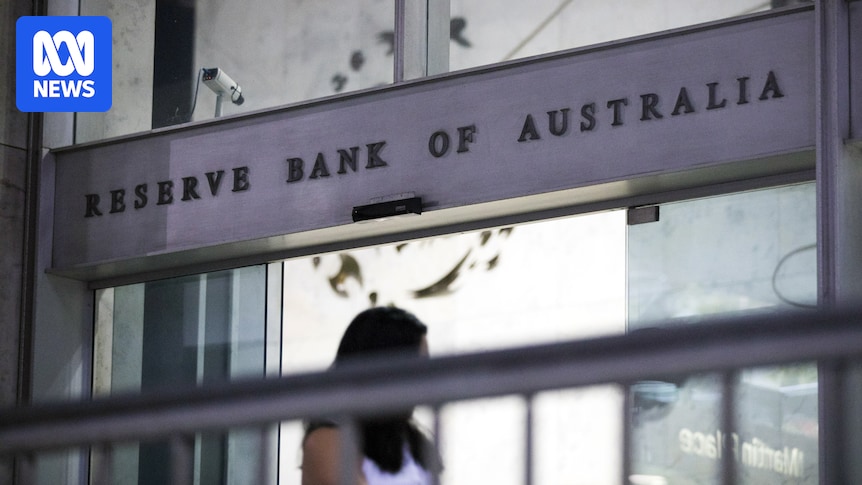
Monetary policy, once a reliable tool, now offers limited comfort. With the cash rate at 3.60 percent, the Reserve Bank remains vigilant against inflation, which economists predict may lead to rate hikes next year. This would exacerbate the cost of living pressures Australians already face.
“Temporary fixes can muddy the signals and entrench expectations.”
The irony is stark: after years of low inflation, political responses to cost of living issues often rely on short-term solutions, ignoring the central bank’s warnings about long-term impacts.
Political Landscape and Future Reforms
Politically, the landscape is fragile. Labor’s landslide victory in May secured a dominant House position, but the Coalition, under new leadership, struggles to present a viable alternative. Confidence in politics remains low, with soundbites often prioritized over substantive policy discussions.
In 2026, the government will face significant tests, particularly in social cohesion and national security. The Bondi attack has already sparked debates over intelligence and security policies. A robust response is needed, but so is economic modernization to ensure future prosperity.
The Path Forward: Embracing Reform
Australia’s last major tax reform was the GST, enacted 25 years ago. Since then, the tax system has become overly reliant on personal income taxes and politically sensitive concessions. The challenge is to balance what Australians want from their government with what they are willing to fund.
“Budgets are moral documents in the sense that pretending money is free is a moral failure.”
Australians are not opposed to reform; they oppose being misled. They will support difficult decisions if leaders present a clear plan, explain it transparently, and ensure equitable burden-sharing. The lessons from past reform failures should guide future efforts, emphasizing the need for better execution rather than avoidance.
As 2026 approaches, the choice is clear: continue the cycle of managed decline or embrace the bravery and sacrifice needed for meaningful reform. The political class must prioritize long-term planning over short-term comfort to address Australia’s real challenges.