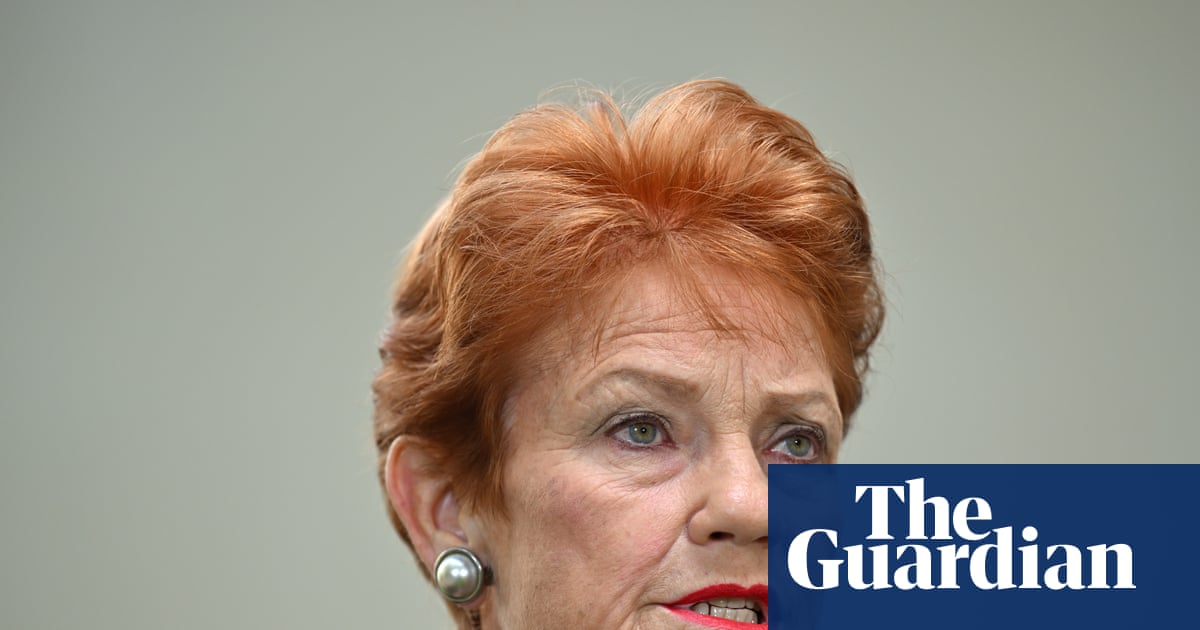




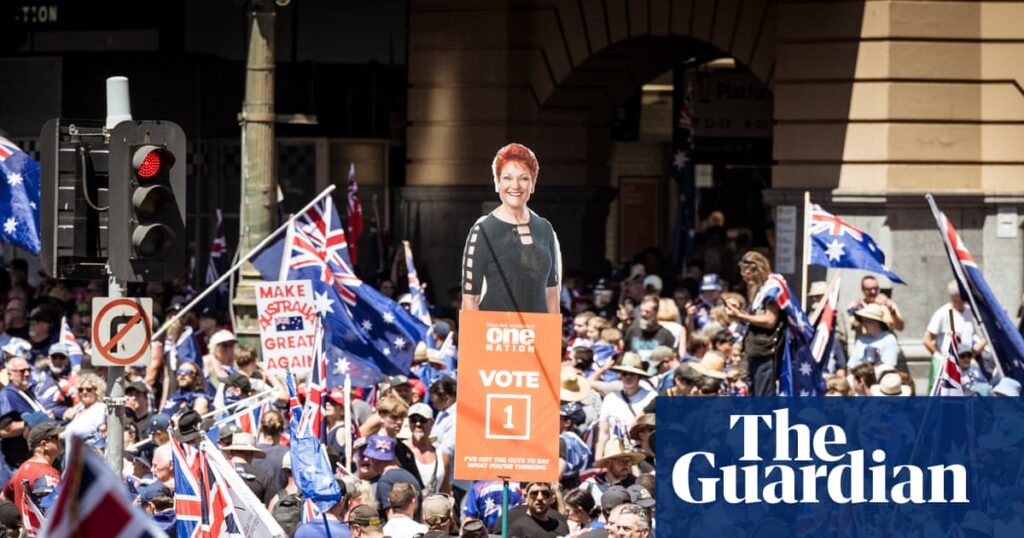
A week before last year’s federal election, a narrative emerged offering a glimmer of hope for the Coalition’s struggling campaign. With the popularity of One Nation on the rise, preferences from Pauline Hanson’s supporters were seen as potential game-changers for the Liberals against Labor in working-class areas. A Liberal insider was quoted in the Australian Financial Review stating, “Aunty Pauline is now acceptable,” suggesting Hanson had become palatable to more voters, positioning her right-wing party as an electoral asset for the Coalition.
However, this narrative never materialized as the opposition leader Peter Dutton’s suburban strategy failed spectacularly on polling day. Nine months later, One Nation continues to loom over the Coalition, but now as a genuine electoral opponent. Pollsters and political insiders note that financial stress and disillusionment with major parties, particularly the Coalition, are pushing Hanson’s hardline populism into the mainstream. But how far can One Nation go in reshaping Australia’s political landscape?
An Expression of Dissatisfaction
The latest Guardian Essential poll places One Nation’s primary vote at 22%, triple its performance in the 2025 election and just three points shy of the Coalition. Peter Lewis, a director of Essential Media, suggests One Nation’s support reflects dissatisfaction with major parties rather than a genuine voting intention, considering the next federal election isn’t due until 2028. However, he warns against dismissing this rise.
“The rise in support for One Nation is not trivial,” Lewis said. “It reflects shifts occurring elsewhere in the UK, Europe, and the US, where populist movements are repudiating mainstream parties’ failures to harness global capitalism.”
Kos Samaras, a former Labor strategist-turned-pollster with Redbridge Group, notes One Nation is becoming a political destination for voters focused on cultural issues. “Over the last decade, they have experienced financial stress and a decline in living standards. They have now given up on the Coalition, which they used to support because they thought it managed the economy better for them,” Samaras said. “They are now just voting on cultural grievances, and One Nation is absolutely the vehicle for that.”
One Nation’s Broader Appeal
A breakdown of the Essential numbers reveals that One Nation’s rise is largely due to Coalition voters shifting further to the right. The poll found 23% of respondents who voted for the Coalition in 2025 now intend to support One Nation. In contrast, 8% of former Labor voters have switched to Hanson—a smaller but significant shift.
John Roskam, a former executive director of the right-wing think tank Institute of Public Affairs, criticizes the Liberal party for being complacent about the risk of losing votes to its right flank. “The Liberal party has been pretty complacent about those challenges because they’ve convinced themselves that Liberal voters couldn’t bear to vote for One Nation,” Roskam said. “It’s now pretty clear they can.”
One Nation’s base is still concentrated outside capital cities among non-university-educated people on middle-to-low incomes. However, other findings challenge stereotypes of One Nation as a political brand for older men. For example, One Nation is polling higher than the Coalition with female voters (23% to 21%) and significantly better among 35-54 year-olds (26% to 19%).
Lower House Seats in Play
Following a January Newspoll showing One Nation ahead of the Coalition on primary votes for the first time, Hanson declared her ambition to turn the party into a viable alternative government. One Nation currently holds a single seat in the chamber where government is formed, making such a goal ambitious.
Kevin Bonham, a psephologist, said reports suggesting One Nation could win more than 30 seats on their current numbers were “not realistic” given the party’s historical struggles with preferences.
However, Bonham agrees with election analyst Antony Green’s assessment that if One Nation is polling above 20% nationally, its support would be above 35% in certain rural and regional areas, enough to put Hanson’s candidates in serious contention. The LNP-held seats in Queensland such as Wright, Flynn, Capricornia, Hinkler, Wide Bay, and Dawson would all be in play, as well as Labor-held Blair outside Brisbane.
The spectre of One Nation was considered a decisive factor in the Nationals’ opposition to Labor’s hate speech laws, which triggered the political crisis that ended the Coalition. The Flynn MP, Colin Boyce, who will challenge David Littleproud for the Nationals leadership, warned that splitting from the Liberals would expose the party to a “right-flank onslaught” from One Nation.
Hanson’s chief-of-staff, James Ashby, confirmed One Nation had been on a recruitment drive and was planning a “significant announcement” ahead of parliament’s return. “It will shock people just how significant this announcement will be,” Ashby told Sky News.
One Nation has long been plagued by disunity and disorganization in Canberra, hampering its ability to consolidate support outside far-right fringes. The latest surge could end in similar chaos, or it could reshape the political landscape.