


March 15, 2026 — 1:30pm
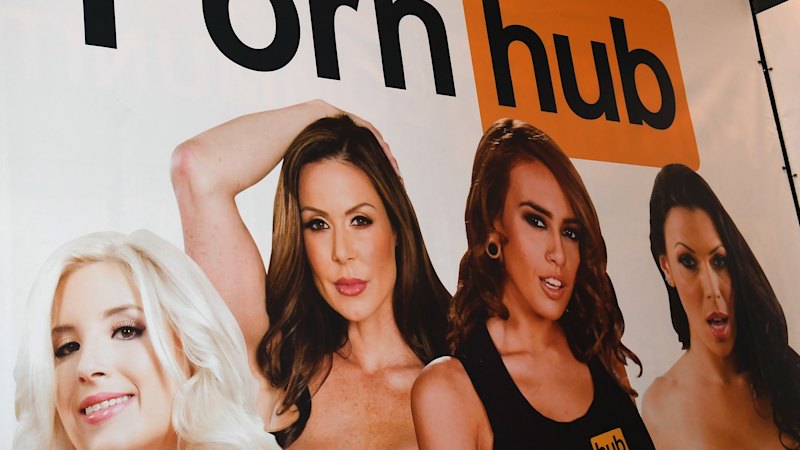
More than three million Australians accessed Pornhub daily—until the morning of Monday, March 9, when the site’s Australian homepage underwent a dramatic transformation. Instead of explicit content, visitors were met with podcasts, lifestyle segments, and branded merchandise—a G-rated version of the world’s most-visited adult website. This change came as Australia’s eSafety Commissioner implemented the Age-Restricted Material Codes, prompting Pornhub to respond with a defiant stand rather than compliance.
The introduction of these codes marks the beginning of a contentious battle that will unfold over months and years, forcing Australia to confront a question it has long avoided: what lessons have young men been absorbing from the internet’s most popular classroom?
The Journey to Regulation
Australia has spent nearly a decade observing the growing concerns about children’s exposure to online pornography. The conversation gained traction in 2017 when researchers highlighted the surprisingly young age at which children were first encountering explicit content. The 2019 Christchurch massacre, livestreamed and rapidly mirrored online, further underscored the need for internet regulation.
The COVID-19 pandemic accelerated children’s screen time, and the algorithmic radicalization of teenagers became a mainstream concern. High-profile cases of non-consensual intimate images being hosted on platforms like Pornhub highlighted the gap between platform rhetoric and behavior. The Albanese government’s 2025 social media ban for under-16s was a significant step, followed by the age verification codes now in effect. Similar laws are being enacted globally, with the UK and several US states taking similar measures.
“We don’t allow children to walk into bars or bottle shops, adult stores or casinos,” says eSafety Commissioner Julie Inman Grant. “But when it comes to online spaces, there are no such safeguards.”
The Industry’s Reaction
Aylo, the company behind Pornhub and other adult sites, anticipated this regulatory shift. In Britain, similar rules led to a 77% drop in Pornhub’s traffic, prompting the company to block UK visitors entirely. Now, Australia faces the same challenge.
Platforms must verify users are over 18 through various methods, including photo ID and facial age estimation. Non-compliance could result in fines up to $49.5 million per breach. For sites reliant on anonymous access, this change is existential. Aylo’s privacy concerns are viewed skeptically, given past violations involving non-consensual content uploads.
“Nearly three-quarters of content uploaders fail to provide required identification and consent forms,” acknowledged an Aylo director.
The Rise of VPNs and Privacy Concerns
Almost immediately, VPN products surged in popularity on Australian app stores, raising questions about the effectiveness of the new laws. Critics argue this indicates failure, but experts like Swinburne’s Dr. Belinda Barnet suggest otherwise.
“It is wrong to assume it is kids downloading VPNs,” Barnet says. “Adults may be trying to avoid identifying themselves, but they risk greater privacy breaches by using cheap VPNs that sell data to brokers.”
Civil liberties advocates warn that age verification ties users’ sensitive data to their online activity, fundamentally altering how identity is linked to behavior online.
Research and Educational Alternatives
eSafety data reveals that 10% of children encounter pornography online by age 10, increasing to nearly 30% by age 13. Studies indicate that heavy adolescent pornography use can distort beliefs about consent and relationships.
Nikki Justice, a comedian and top OnlyFans creator, supports the goal but criticizes the approach. She argues that the issue is more about technology and policy than morality.
“The conversation gets framed as a moral debate about pornography. In reality, it’s a technology and policy problem,” she says.
Cindy Gallop, founder of MakeLoveNotPorn, advocates for education over legislation, suggesting that openness about sex can mitigate the power of pornography.
“When you bring sex out of the shadows and into the sunlight, you enable so many solutions,” Gallop asserts.
The Impact on Sex Workers and Future Implications
The regulations have significant implications for sex workers. Mish Pony of Scarlet Alliance warns that compliant platforms’ restrictions could push consumers to less regulated sites, increasing risks for sex workers.
“That leaves sex workers not earning income from their content, with obvious flow-on effects—lower earnings and being pushed into working in ways that are less safe,” Pony explains.
Globally, age verification laws are expected to lead to persistent digital identities, changing how adults access the internet. However, the immediate challenge is educating young Australians about sex, consent, and intimacy.
Gallop notes that parents are increasingly aware of the problem and seek solutions that offer honest, healthy depictions of sex.
“More and more parents are clear-sighted about what their kids are encountering,” she says. “They know the problem. They’re desperate for the solution.”
While age verification is a start, the real work lies in building education, media literacy, and open conversations between parents and children—tasks not covered by any codes but crucial for long-term change.