




January 24, 2026 — 5:00am
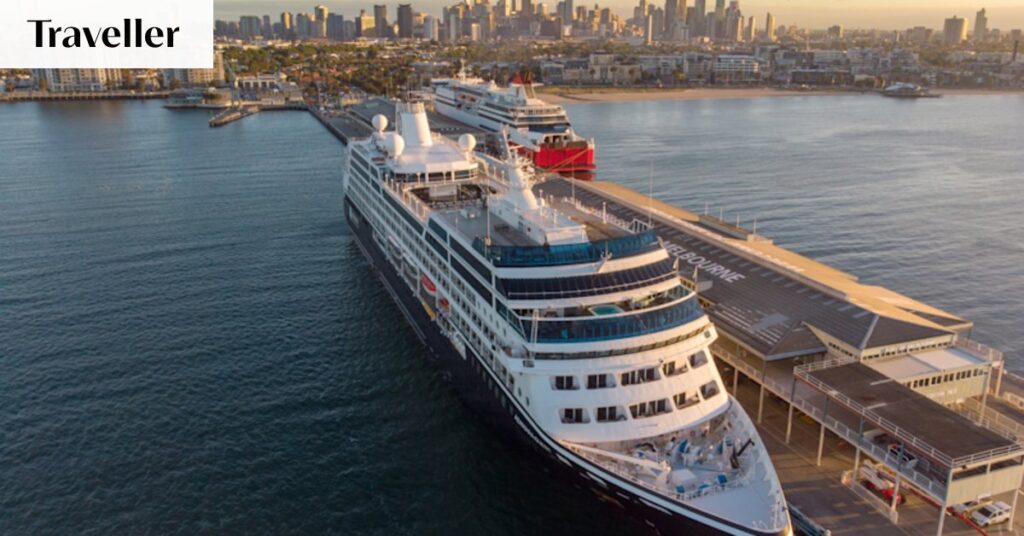
The latest figures from the Australian Cruise Association (ACA) reveal a mixed picture for the country’s cruise industry during the 2024-25 summer season. While Australians continue to spend significantly on cruising, the industry’s economic returns have seen a notable decline. The ACA reports that the cruise industry generated $7.32 billion in total economic output, supporting 22,720 jobs. However, this represents a 13.2 percent decrease from the previous record-setting year.
Hotels and accommodations emerged as the primary beneficiaries, capturing one-third of all passenger spending. This trend underscores the rising costs associated with pre- and post-cruise stays, which now surpass the cost of the cruises themselves. Transportation expenses accounted for nearly 12 percent of passenger spending, indicating a robust demand for travel-related services.
Regional Impact and Economic Shifts
New South Wales led the states in benefiting from the cruise industry, closely followed by Queensland, which hosted more ship visit days. However, Victoria experienced a steep decline in cruise output, down by 33.3 percent. Other states also faced downturns, with New South Wales and Queensland seeing declines of 10.7 percent and 15.7 percent, respectively. The Northern Territory, in contrast, managed to buck the trend with an increase in cruise-related economic activity.
The downturn in economic output is attributed to a decrease in the number of cruise ships visiting Australia. The 2024-25 season saw only 68 ships compared to 75 in the previous year, with some ships opting for shorter stays. Overall cabin capacity also fell by 8,174 passengers, contributing to the reduced economic impact.
Passenger Spending and Industry Insights
Despite fewer ships, cruise passengers continue to spend generously while on shore. According to the ACA, passengers spend an average of $440 a day, encompassing expenses such as flights, hotels, dining, entertainment, shopping, and tours. Spending is notably higher in turnaround ports, averaging $504, and peaks at $650 for international passengers. Crew members also contribute to the economy, spending an average of $134 per person daily.
Cruise lines themselves allocate a significant portion of their expenditure to operational costs. Fuel and other operating expenses account for 39.9 percent, followed by administration and marketing at 22 percent, port and government fees at 22.1 percent, and food and drink purchases at 12.8 percent.
Trends and Future Prospects
The majority of Australian cruisers—81.5 percent—chose destinations within Australia, New Zealand, and the South Pacific during the 2024-25 season, a slight increase from previous years. More Australians are opting for domestic cruises, with over 10 percent cruising solely within Australia. This trend may reflect a growing preference for shorter, more affordable cruise options as economic conditions tighten.
Demographic shifts are also evident, with 32 percent of Australian cruisers now under the age of 40, bringing the average age to 48.4. This younger demographic suggests a changing market dynamic and potential for future growth.
However, the ACA warns of potential challenges ahead. Rising operating costs, planning uncertainties, regulatory hurdles, and increased competition from more profitable cruise destinations may pose obstacles for the industry. As fewer ships set sail for Australia, the industry faces “rough seas ahead,” according to the ACA.
In conclusion, while Australians maintain a strong appetite for cruising, the industry must navigate a complex landscape of economic pressures and shifting consumer preferences to sustain its growth and economic contributions.