



As Australia awaits a crucial government decision regarding the future of rodenticides, a compelling photograph has brought to light the severe risks these substances pose to native wildlife. The products, which are widely available, are designed to target pests such as mice and rats but have unintended, devastating impacts on other animals, according to conservationists.
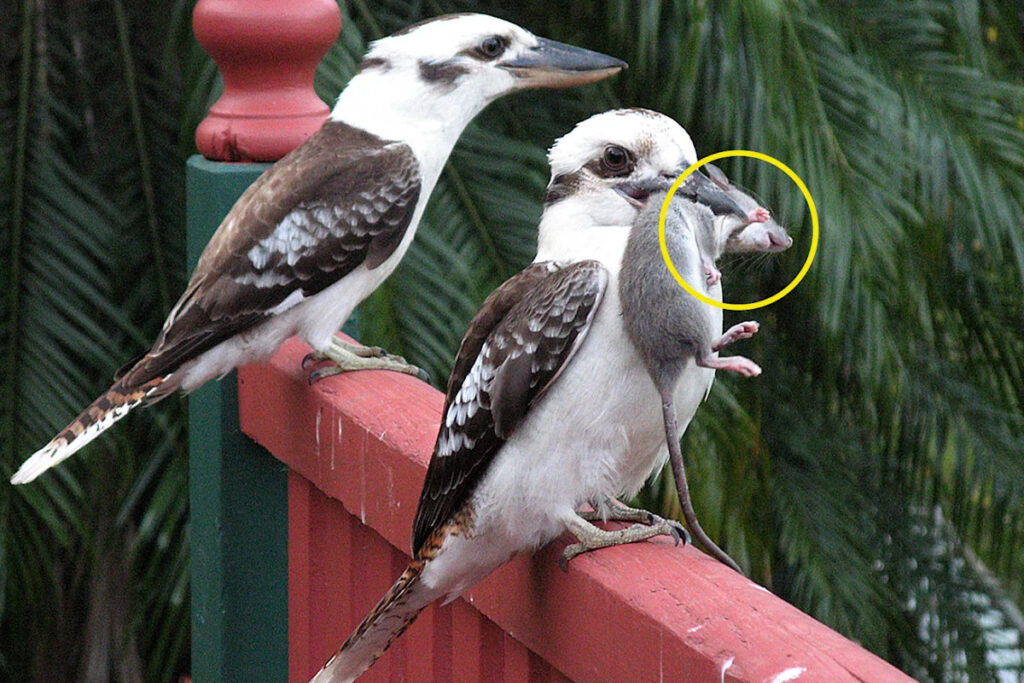
This week, an online photo showing a kookaburra holding a deceased rodent captured widespread attention, generating over eight thousand responses. The image, with the caption “why we don’t use poison,” underscores the tragic reality that many birds and other species often succumb to poisoning after ingesting these toxic rodents.
The Growing Concern Over Rodenticides
Speaking to Yahoo News Australia, Sean Dooley of BirdLife Australia highlighted the increasing number of native species falling victim to poisoning in recent years. “Wildlife carers and BirdLife Australia are seeing many cases of owls and frogmouths dying of secondary poisoning after eating impacted rats and mice,” he stated.
Dooley emphasized the dangers of second-generation anticoagulant rodenticides (SGARs), which have prompted BirdLife Australia to campaign for stricter regulations. He explained that while rats and mice are not typical prey for kookaburras, these birds will consume them if they are available.
“One of the problems with the second-generation rodenticides is that they don’t kill the rats and mice straight away, so you can end up with sick and dying rodents out in the open where they can be easily snatched by kookaburras, tawny frogmouths, magpies or even household pets,” he said.
Understanding the Impact of SGARs
SGARs pose a significant threat because they do not break down in the bodies of animals that consume the bait, leading to toxic accumulation in predators that eat affected rodents. This persistence makes them particularly effective against pest rodents but also highly dangerous to non-target species.
In Australia, SGARs such as brodifacoum, bromadiolone, difethialone, difenacoum, and flocoumafen are commonly used. Native wildlife, including birds of prey, quolls, and snakes, is at particular risk. These animals can be killed directly by ingesting the bait or, more commonly, by consuming poisoned rodents.
Because SGARs remain active in the body for weeks, predators that feed on poisoned rodents accumulate the toxin, often resulting in fatal internal bleeding.
The Regulatory Landscape
Despite being technically regulated, SGARs are readily available for purchase with few restrictions, raising concerns about accidental wildlife poisoning and misuse. Sean Dooley noted that the Australian Pesticides and Veterinary Medicines Authority (APVMA) has been deliberating on these products for several years.
Yahoo News Australia reached out to the APVMA for an update on its review, and the agency indicated that it plans to release its findings later this week. The decision could have significant implications for wildlife conservation efforts in the country.
Looking Ahead: Potential Consequences and Solutions
The widespread availability of SGARs in hardware stores and online has conservationists worried. They argue that while the chemicals are technically regulated, the lack of stringent practical restrictions allows for accidental misuse, posing a continuous threat to native species.
As Australia grapples with the ecological impact of these poisons, the upcoming government decision could shape the future of wildlife protection in the country. Conservationists hope for tighter regulations that will mitigate the risks posed by these potent rodenticides.
The outcome of the APVMA’s review will be closely watched by environmental groups and the public alike, as it holds the potential to significantly influence the preservation of Australia’s unique biodiversity.