




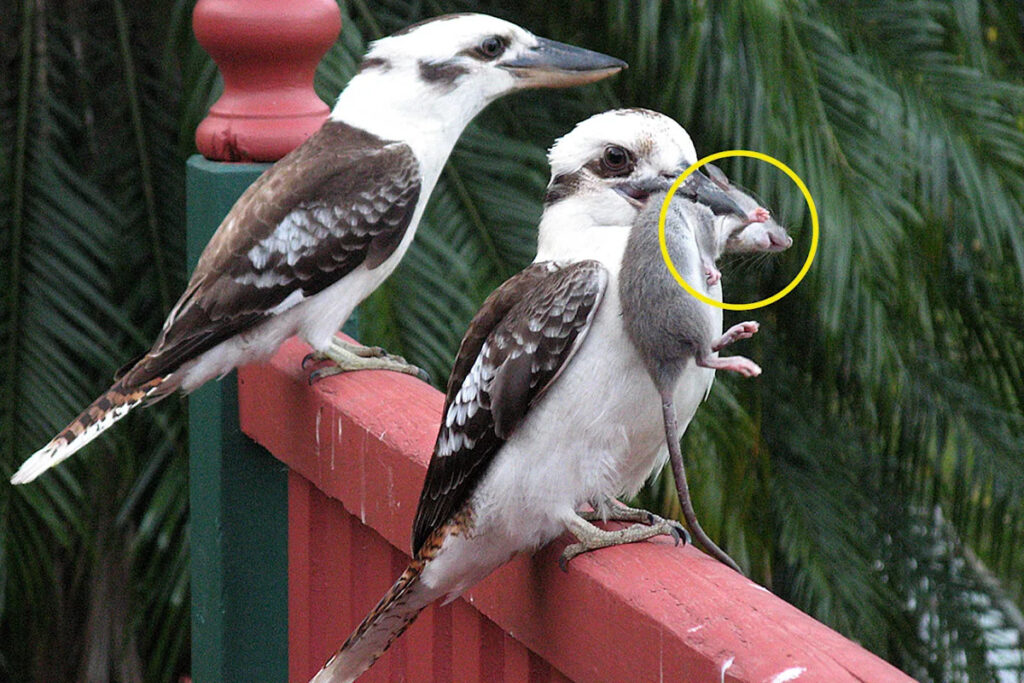
A compelling photograph capturing a kookaburra with a rodent in its beak has sparked widespread concern over the use of rodenticides in Australia. As the government deliberates on the future regulation of these chemicals, the image serves as a stark reminder of the potential harm they pose to native wildlife. Conservationists warn that while these products are designed to control pests like mice and rats, they can inadvertently cause significant harm to other species.
This week, the photo, shared online, quickly gained traction, amassing over eight thousand responses. The image, depicting the bird with the rodent, was captioned “why we don’t use poison,” highlighting the unintended consequences of rodenticide use. Conservationists argue that many birds and other animals fall victim to these poisons through secondary ingestion.
The Threat of Second-Generation Anticoagulant Rodenticides
According to BirdLife Australia’s Sean Dooley, cases of native species dying from poisoning have become alarmingly common. “Wildlife carers and BirdLife Australia are seeing many cases of owls and frogmouths dying of secondary poisoning after eating impacted rats and mice,” Dooley explained. “This absolutely illustrates the risk to wildlife of second-generation anticoagulant rodenticides (SGARs) and is why BirdLife Australia is campaigning fiercely to have them tightly regulated.”
SGARs, which include chemicals such as brodifacoum and bromadiolone, are particularly dangerous because they do not immediately kill rodents. This delay allows poisoned rodents to remain in the open, where they can be easily preyed upon by other animals, including kookaburras, tawny frogmouths, and even household pets. The persistence of these poisons in the environment means they can accumulate in predators, leading to fatal consequences.
Regulatory Challenges and Conservation Concerns
Despite their potential for harm, SGARs are currently available for general purchase with few restrictions. The Australian Pesticides and Veterinary Medicines Authority (APVMA), the body responsible for regulating these products, has been reviewing their use for several years. An update on this review is expected later this week.
Dooley emphasized the need for stricter regulations, pointing out that while SGARs are technically registered, their widespread availability raises the risk of accidental wildlife poisoning and misuse. “The government body in charge of regulating these products has been considering a decision on these products for a couple of years now,” he noted.
Why SGARs Are Particularly Harmful
Unlike older rodenticides, SGARs can be lethal after a single ingestion and remain active in the body for weeks. This makes them effective against pest rodents but also poses a significant threat to non-target species. Native Australian wildlife, including birds of prey, quolls, and snakes, is especially vulnerable. These animals can be killed directly by eating the bait or, more commonly, by consuming poisoned rodents.
“Because SGARs stay in the tissues of rodents long after ingestion, predators that feed on them accumulate the toxin in their own bodies, often resulting in fatal internal bleeding.”
Even small doses can be deadly, and repeated exposure magnifies the risk to native species. The availability of SGARs in hardware stores and online has led to calls from conservationists for more stringent control measures.
Looking Ahead: The Need for Action
The ongoing debate over rodenticide regulation underscores the need for a balanced approach that protects both human interests and wildlife. As the APVMA prepares to release its findings, conservationists hope for tighter restrictions on SGARs to mitigate their impact on Australia’s unique biodiversity.
The decision on rodenticide regulation will not only affect pest control strategies but also the future of many native species. The outcome could set a precedent for how environmental risks are managed in the face of competing interests.
Meanwhile, the conversation continues to grow, with conservationists urging the public to consider alternative pest control methods that minimize harm to wildlife. As the government weighs its options, the hope is for a resolution that safeguards Australia’s natural heritage for generations to come.