



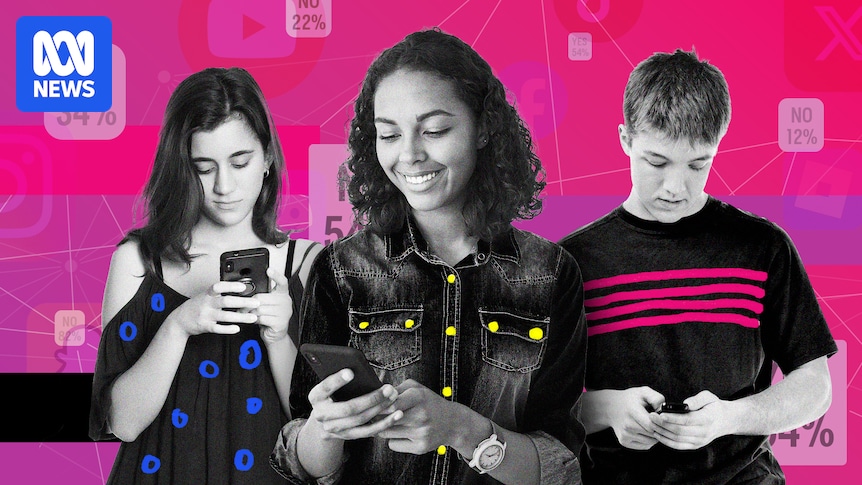
The Australian federal government’s proposed social media ban for users under 16 has sparked widespread debate among young Australians. A recent survey conducted among over 17,000 individuals aged 9 to 15 reveals significant opposition to the ban, highlighting the critical role social media plays in their lives.
In total, 18,962 responses were collected, with 17,144 fitting the age criteria. The survey results indicate that nearly 80% of respondents in this age group use social media, and of those, 75% have their own accounts. Platforms like YouTube and Roblox emerged as favorites, with YouTube Kids and Roblox’s new safety measures allowing continued access for under-16s.
Understanding the Impact: A Youthful Perspective
While the ban aims to protect young users, the survey reveals that 75% of social media users do not plan to stop using these platforms despite the upcoming restrictions. Only 6% of respondents believe the ban will be effective, with 72% expressing skepticism about its success.
The survey also asked participants if they thought the ban was a good idea. A resounding 70% said no, while 21% were unsure, and only 9% supported the initiative. The responses shed light on the diverse ways social media is woven into the fabric of young people’s lives.
Voices from the Youth
Anonymous responses from the survey participants provide a window into the concerns and sentiments of Australia’s youth:
“What happens to the children with mental health issues, disabilities or even living in remote areas? Social media can be the difference between having human connection and going without.” — Anonymous, 16
“I go to an online school in Adelaide, everyone here relies on social media to literally make and keep friends. The ban is created by neurotypicals for neurotypicals.” — Anonymous, 16
“I think the social media ban is a good idea, but I’m not sure how effective it will be. A lot of the age verification methods proposed either seem unreliable or invasive of privacy.” — Anonymous, 14
These comments reflect a broader anxiety about the potential social isolation and loss of community that could result from the ban. Many respondents emphasized the importance of social media for maintaining friendships and support networks, particularly for those with mental health challenges or living in remote areas.
Platforms and Policies: A Mixed Response
Platforms like YouTube and Roblox have introduced measures to comply with the ban while still providing access to younger users. YouTube Kids offers a restricted version of the site, and Roblox’s age-group assignment aims to create safer online environments. However, the effectiveness of these measures remains a topic of debate.
TikTok, another popular platform, will allow logged-out access via web browsers but will require accounts for mobile use. This approach has raised questions about the practicality and enforceability of the ban.
Expert Opinions and Historical Context
Experts in digital safety and child psychology have weighed in on the proposed ban. Dr. Emily Carter, a child psychologist, argues that while the intention to protect young users is commendable, the execution may not address the root causes of online harm.
“Banning social media outright could push young users to find alternative, potentially riskier ways to access these platforms. Education and parental involvement are crucial in fostering safe online habits.” — Dr. Emily Carter
Historically, attempts to restrict access to digital platforms have faced challenges. Similar bans in other countries have often led to the development of workarounds, as tech-savvy youths find ways to circumvent restrictions.
The Road Ahead: Navigating Challenges
As the December 10 implementation date approaches, the debate over the social media ban continues to intensify. Policymakers face the challenge of balancing safety with the need for connection and expression among young Australians.
The voices of those directly affected by the ban highlight the complexity of the issue. While some see potential benefits for mental health and safety, others fear the loss of vital social connections and creative outlets.
Moving forward, the success of the ban will likely depend on its ability to adapt to the evolving digital landscape and address the diverse needs of Australia’s youth. As discussions continue, the perspectives of young people remain a crucial component in shaping policies that impact their lives.