


Shortly after the 2022 election, a concerned mother visited my electorate office, sharing a harrowing story about her teenage daughter’s battle with anorexia. Her narrative highlighted the severe lack of effective medical support, the traumatic experience of forced refeeding in hospitals, and the overwhelming mental and financial strain on her family. Unfortunately, her story is far from unique.
Eating disorders, one of the most deadly mental illnesses, have surged by 86% among Australians aged 10 to 19 since 2012. This alarming rise coincides with the proliferation of social media and the isolating effects of the COVID-19 pandemic. In 2020, Monash Children’s Hospital in Melbourne reported more than double the average annual admissions for eating disorders compared to 2016-2019. Disturbingly, the age of onset is decreasing, with cases emerging in children as young as 11.
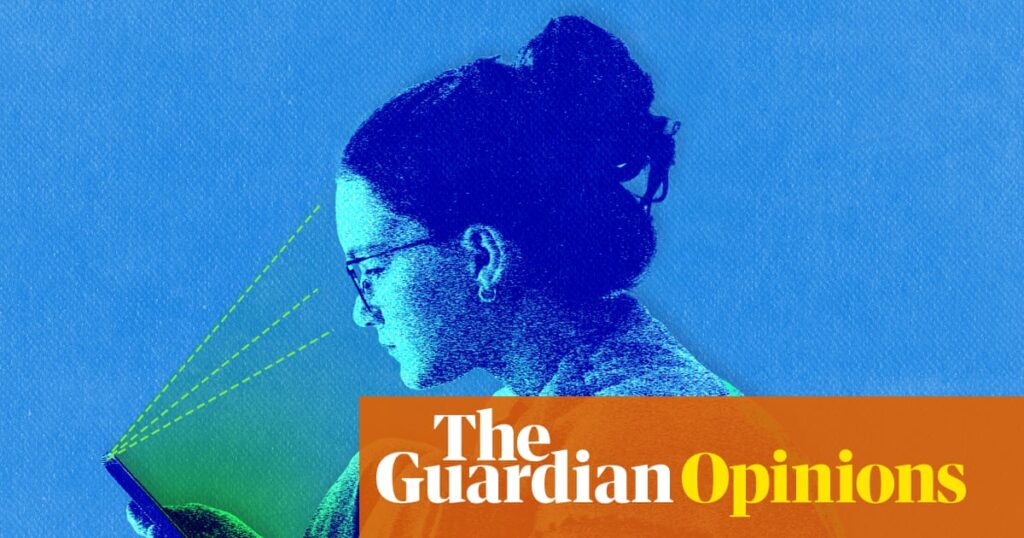
Social Media’s Influence on Body Image
During the previous parliamentary term, I initiated research and convened experts, advocacy groups, and those with lived experiences of eating disorders. Among them was Katya, a 15-year-old who shared her story with Meta executives. “If there was a way I could just turn off seeing eating-disorder-related content, I would feel much safer going on social media,” she expressed during a roundtable at Parliament House.
Katya’s plea followed the tragic suicide of her friend Olivia, who succumbed to anorexia. In a poignant letter, Katya wrote, “The fact that the system is so bad that it caused a once young passionate girl full of life to commit suicide is so sickening. I can’t even express my words for how disgusted I am.” Her words prompted action, leading to the release of funding from the Medical Research Future Fund (MRFF) for eating disorder research.
Government and Social Media Platforms: A Call for Responsibility
The introduction of a social media ban for children under 16 is partly a result of these efforts. According to surveys by the Butterfly Foundation, nearly two-thirds of respondents report that social media negatively impacts their body image. Algorithms on platforms like TikTok exacerbate this issue, with research from the University of Melbourne indicating that individuals with eating disorders are almost 400% more likely to encounter diet-related content and nearly 4,000% more likely to see eating disorder content.
Despite these measures, the responsibility for online safety remains largely with users, parents, and the community. Eight in ten young people believe social media platforms should do more to promote positive body image. The current age ban does little to address this, allowing algorithms to continue operating unchecked.
Proposed Solutions and Legislative Efforts
While I support regulating social media giants, I opposed the age ban in the last parliament due to its failure to hold companies accountable. Social media serves as a vital support network for young people, and removing access could have unintended consequences. Instead, the working groups I initiated recommended several measures to tackle social media harms:
- Implementing a duty of care for social media companies
- Allowing users to turn off or reset algorithms
- Ensuring transparency in platform operations
- Enforcing penalties for non-compliance
These proposals aim to compel social media platforms to create safer environments. I tabled a bill reflecting these recommendations, supported by organizations such as the Foundation for Alcohol Research and Education, the Human Rights Law Centre, and the Butterfly Foundation. However, a promised duty of care by the former communications minister, Michelle Rowland, remains unrealized.
The Path Forward
While the age ban may offer some protection, it is not a comprehensive solution. Continuing to place the onus on users is insufficient. It is imperative that we enforce legal measures to ensure social media companies prioritize user safety. In Australia, individuals can seek support from the Butterfly Foundation at 1800 33 4673. In the UK, Beat is available at 0808-801-0677, and in the US, help is accessible via nationaleatingdisorders.org or by calling ANAD’s hotline at 800-375-7767. Additional international resources can be found at Eating Disorder Hope.
As we navigate these challenges, it is crucial to hold social media platforms accountable and ensure they contribute positively to the mental health and wellbeing of young Australians.