




The Australian sharemarket ended Tuesday’s session largely unchanged, as gains in energy stocks and miners were counteracted by a slump in technology and retail sectors. This decline mirrored Wall Street’s fall, driven by fresh anxieties over artificial intelligence’s impact on corporate profits and ongoing uncertainty regarding tariffs.
The S&P/ASX 200 opened higher but lost its early gains, eventually closing just above the 9000-mark at 9022.30, a slight dip of 3.7 points from Monday’s close. Five of the market’s 11 industry sectors declined, while the Australian dollar traded at US70.60¢ by the afternoon.
Market Dynamics and Sector Performance
Initially, the market was buoyed by positive results from companies such as Woodside Energy and Nine Entertainment, alongside a record high for BHP shares and a 2.1% increase in gold prices overnight. However, these gains were insufficient to offset declines in the finance and tech sectors.
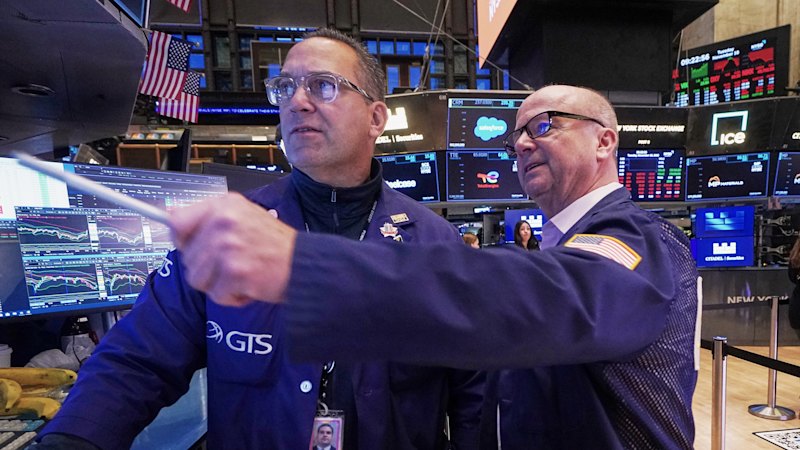
On Wall Street, traders are increasingly concerned about AI-driven disruptions, leading to a sell-off of shares in companies perceived to be at risk. Despite solid results from major corporations, doubts linger over the immediate benefits of significant investments in AI technology.
“The software sell-off is a reminder of what can happen when momentum-driven sectors shift into reverse,” said Steve Sosnick of Interactive Brokers. “The broader, more important question is: How many sectors can go into reverse before they drag the broader market along with them?”
In Australia, the tech sector led the declines, with WiseTech Global down 3.5%, Xero down 4.6%, and TechnologyOne down 3.8%. Financial stocks, which constitute a significant portion of the ASX, also fell, with Macquarie dropping 3.6% and insurers QBE and IAG losing 1.6% and 3.3%, respectively.
Impact of Tariffs and AI Concerns
The ongoing uncertainty over tariffs, particularly those associated with President Donald Trump’s policies, continues to weigh heavily on markets. The fear of AI-driven disruption adds another layer of complexity, as companies grapple with the potential for technology to upend traditional business models.
Property stocks suffered, with Goodman Group falling 2.6% and Scentre dropping 1.1% despite reporting solid results. Consumer discretionary stocks also struggled, with Wesfarmers, Harvey Norman, and Aristocrat all experiencing declines.
Southern Cross Media faced a dramatic 9% plunge following the unexpected departure of CEO Jeff Howard, which coincided with disappointing interim results.
Bright Spots and Future Outlook
Despite the broader market struggles, some companies posted gains. Woodside Energy rose 2.4% after raising its dividend, even as its full-year profit fell 24%. BHP bolstered the mining sector with a 1.4% increase, continuing its rally on the back of strong copper earnings.
Gold stocks had a mixed performance, with Northern Star up 1.6% and Evolution Mining adding 0.6%, while Newmont Mining dropped 1.6%. The fluctuations in gold prices reflect broader market uncertainties, including US trade policies and geopolitical tensions.
“The push and pull with tariffs is likely to be a distracting theme for markets for the remainder of the year, albeit with less volatility than the initial shock last April,” noted Michael Landsberg of Landsberg Bennett Private Wealth Management.
As the market navigates these challenges, investors remain cautious, balancing optimism from strong corporate results against the backdrop of technological and geopolitical uncertainties. The coming months will likely see continued volatility as these factors play out.