

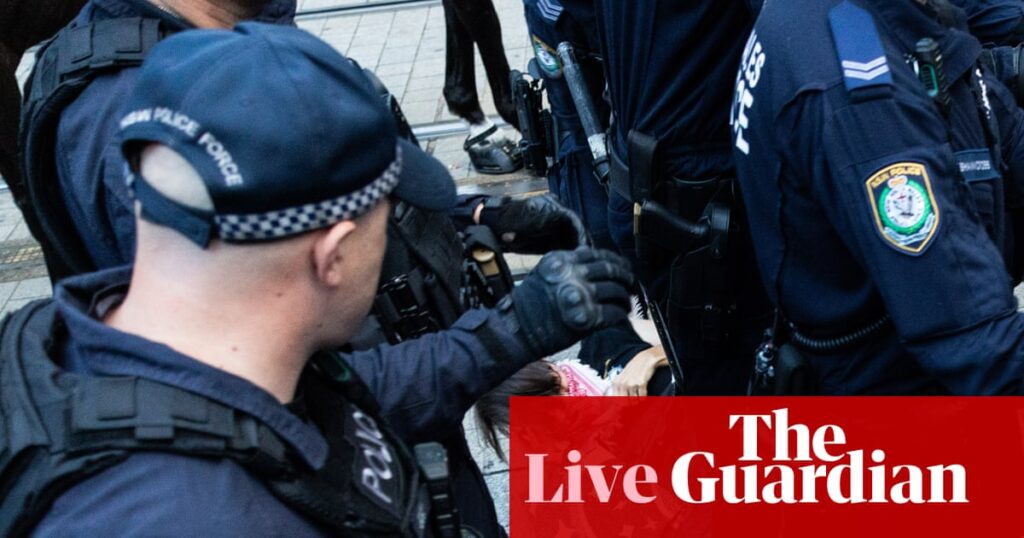
The New South Wales Premier, Chris Minns, has defended the actions of police during recent protests in Sydney, describing the situation as “impossible.” The protests, which erupted into violence, coincided with the visit of Israeli President Isaac Herzog. Premier Minns appeared on Channel Nine’s Today program, emphasizing that the police had been placed in a challenging position as they attempted to manage the protests while ensuring the safety of a nearby Jewish community event.
“It’s worth remembering they did everything possible to avoid that confrontation,” Minns stated, highlighting the police’s efforts to relocate the protest to a safer area. He pointed out that the police were tasked with keeping 7,000 Jewish mourners and protesters apart in the city.
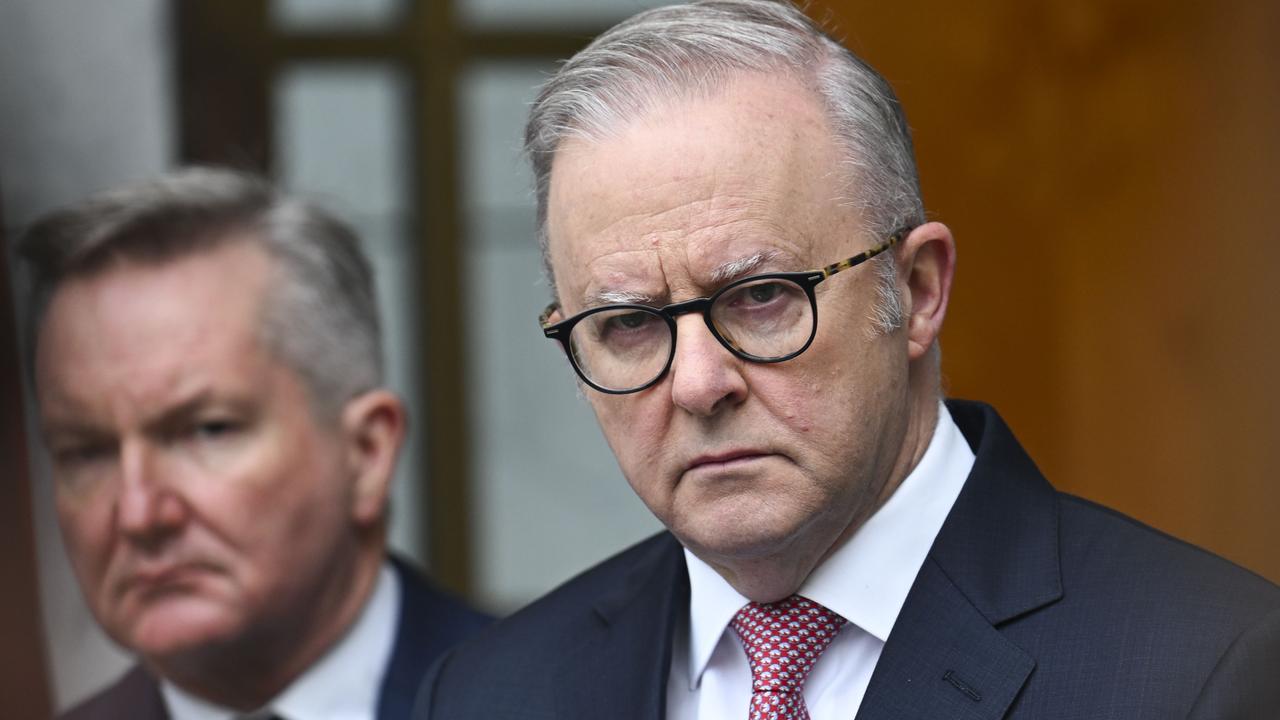
Meanwhile, Prime Minister Anthony Albanese expressed his devastation over the scenes in Sydney and Melbourne, urging for peaceful expression of views. Speaking to Triple M Hobart, Albanese noted that such confrontations undermine the causes they aim to support.
Police Actions Under Scrutiny
The police response has drawn criticism from various quarters, with some labeling it as excessive. NSW Labor backbencher Sarah Kaine described the police actions as disproportionate, a claim that Minns refuted, defending the police’s need to maintain order.
NSW Greens MLC Abigail Boyd, who was injured during the protests, shared her shock at the police’s actions, describing how she was pushed and shoved despite identifying herself as a member of state parliament. Boyd’s experience raises questions about the police’s handling of peaceful protesters.
Expert Opinions and Legal Implications
Stephen Lawrence, a NSW MLC and barrister, raised concerns about the legal framework governing protests, particularly the Major Events Act Declaration, which limits civil liability for police actions. Lawrence suggested that the events should prompt politicians to reconsider whether repressive protest laws genuinely enhance public safety.
According to Peter McKenna, Assistant Commissioner of NSW Police, officers exercised restraint before the situation escalated. McKenna defended the police’s actions, emphasizing the volatile nature of the protest and the need for decisive action to prevent further violence.
Political Reactions and Broader Implications
The protests have sparked a broader political debate, with Liberal senator Andrew Bragg criticizing the demonstrations as a “disgrace.” Bragg argued that the protests were in poor taste, given the recent religious massacre affecting the Jewish community. He stressed the importance of respecting the community’s request for Herzog’s visit to provide comfort.
In contrast, Nationals MP turned independent Andrew Gee criticized the internal dynamics of his former party, describing the Nationals party room as “toxic” and urging dissatisfied members to consider joining the crossbench.
Calls for Policy Focus
Amidst internal party tensions, Liberal MP Tim Wilson highlighted the need for the party to focus on policy rather than internal conflicts. Wilson cited “middle finger voting” as a reflection of public dissatisfaction with political gamesmanship, urging his party to prioritize the interests of the Australian community.
Future Steps and Community Impact
The protests have underscored the complexities of balancing public safety with the right to protest. As political leaders and law enforcement officials navigate these challenges, the broader implications for social cohesion and community relations remain a critical focus.
Tanya Plibersek, addressing the issue of violence against First Nations women and children, announced a ten-year plan with significant funding to support community-led initiatives. This initiative reflects a broader governmental commitment to addressing systemic issues and fostering a more inclusive society.
As Australia grapples with these multifaceted issues, the need for dialogue and constructive engagement remains paramount. The recent events serve as a reminder of the delicate balance between maintaining order and respecting democratic freedoms.