



In 2025, Australian politics was marked by significant shifts and defining moments that reshaped the nation’s political landscape. The Albanese government emerged stronger than ever, securing a 94-seat majority, while the Coalition grappled with internal divisions and a challenging global political environment. However, the year concluded on a less stable note for Prime Minister Anthony Albanese, following a devastating terror attack in Bondi.
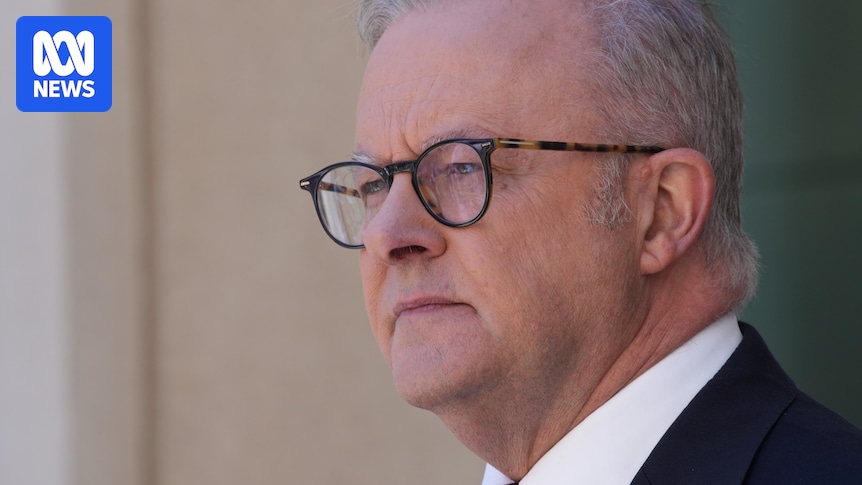
According to David Speers, national political lead and host of Insiders, the year was characterized by Labor’s dominance and the conservative side’s fragmentation. Albanese, buoyed by a substantial parliamentary majority, successfully negotiated environmental laws with the Greens, earned respect from Donald Trump, and asserted his authority within his cabinet. This confidence might not have been possible with a narrower majority.
Labor’s Commanding Victory and Its Aftermath
Jane Norman, national affairs correspondent, highlighted Albanese’s growing authority within his party following Labor’s decisive victory in May. The Prime Minister’s confidence on the world stage was evident in his adept handling of a meeting with Donald Trump and his success in pushing through contentious internal issues, such as superannuation tax changes and hosting a global climate conference in Adelaide.
Meanwhile, the Coalition faced one of its most challenging years, with instability and departures undermining its influence. The Nationals capitalized on this disarray, achieving policy victories and making a return to the center-right unlikely for the Coalition in the near future.
The Coalition’s Struggles
Casey Briggs, chief elections and data analyst, noted that the Coalition’s initial polling success may have contributed to its eventual defeat. The opposition’s strategy, framing the election as a referendum on Albanese, backfired as voters found their policy offerings lacking. The head-to-head comparison between Albanese and Peter Dutton proved disastrous for the opposition.
Polling success contributed to the election defeat: it gave Peter Dutton great authority over his party.
Foreign Policy Challenges
Stephen Dziedzic, foreign affairs reporter, emphasized the foreign policy challenges Australia faced in 2025. The political climate in Washington D.C. under Trump 2.0 was unsettling, while Australia’s relationship with China remained tense. Beijing’s military maneuvers, including the partial circumnavigation of Australia by the Chinese People’s Liberation Army Navy, underscored China’s growing military power and its willingness to influence smaller nations like Australia.
Patricia Karvelas, host of Afternoon Briefing, pointed out that Labor’s victory was a triumph of centrism, defeating both the left-wing Greens and the right-wing Coalition. Albanese’s careful policy agenda resonated with a nation seeking stability after years of political turmoil.
The Bondi Terror Attack and Its Impact
Jake Evans, federal political reporter, highlighted the Bondi terror attack as a defining moment in Australian politics, overshadowing even the May election. The attack reignited debates on migration and challenged Albanese’s leadership during a time of national crisis.
The terror attack has just changed Australian politics, in particular the calculus on our freedoms as citizens.
Albanese’s handling of the aftermath will likely shape his legacy, much like the Port Arthur massacre defined John Howard’s time in office. The expenses scandal that plagued his government further complicated his leadership challenges.
Youth Voters and Media Influence
Shalailah Medhora, political reporter for triple j’s Hack, observed the increasing influence of Millennial and Gen Z voters in 2025. Labor’s focus on issues like student debt reduction and housing schemes appealed to younger demographics, while the Coalition struggled to connect with these voters.
Claudia Long, federal politics reporter, noted the significant role of influencers and podcasters in the election campaign. Politicians leveraged social media to reach younger voters, recognizing the power of content creators in shaping public opinion.
As Australia navigates the aftermath of a tumultuous year, the political landscape remains in flux. With challenges both domestic and international, the coming years will test the resilience and adaptability of the nation’s leaders.