



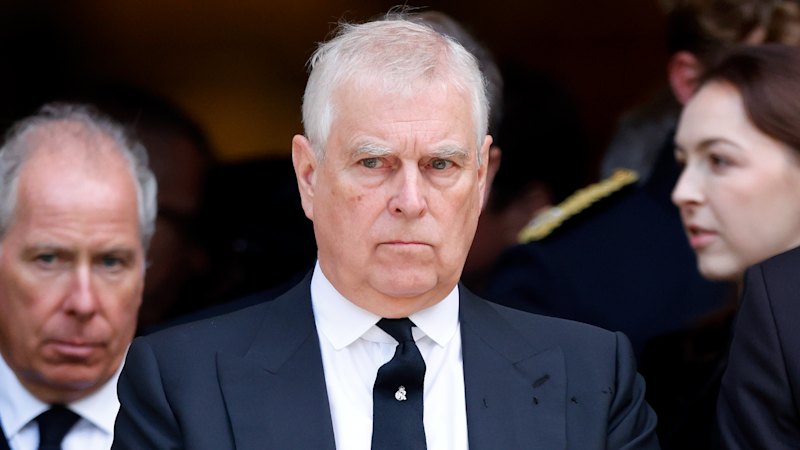
In a bold move, Australian Prime Minister Anthony Albanese has called for the removal of former Prince Andrew from the royal line of succession, citing his controversial past and recent legal troubles. This announcement comes amidst significant developments in both healthcare and national security within Australia.
Meanwhile, Victorian Premier Jacinta Allan has confirmed that allegations against a gynaecologist accused of performing unnecessary surgeries have been referred to police. Dr. Simon Gordon, the accused, is under investigation for allegedly conducting unwarranted endometriosis surgeries, including the removal of ovaries and uterus, without clinical justification. Gordon, who retired last year, denies these allegations. Safer Care Victoria is now part of the review panel investigating Epworth hospital’s governance over these claims.
Healthcare Under Scrutiny
These revelations follow an ABC Four Corners investigation into Dr. Gordon, which aired recently. The Epworth hospital has initiated an independent inquiry, and law firms are contemplating a class action after being approached by over 120 women. Premier Allan, who has personally faced challenges in accessing endometriosis treatment, described the allegations as “heartbreaking.”
Assistant Treasurer Daniel Mulino defended the government’s actions regarding the return of Islamic State-linked individuals to Australia, emphasizing adherence to laws established by previous administrations. He stated, “The federal government is operating under laws that the previous government established, and we’re doing so on the advice of national security agencies.”
Economic Inequality and Tax Reform
In a separate development, a Senate inquiry into capital gains tax heard from Australian National University’s Bob Breunig, who warned of growing inequality. Breunig highlighted the disparity between young Australians with wealthy parents and those without, suggesting that without reform, calls for a “revolution” could emerge. He stated, “The real inequality is between people in the same generation, those who have assets and those who don’t.”
“We often frame the equality problem as an intergenerational, kind of an old versus young, problem which it’s not really. If you’re a young person and your parents have a lot of assets, those assets will eventually come to you.”
Breunig advocated for better-targeted government assistance to address these disparities, emphasizing the need for a balanced approach that does not “punish” older Australians.
Security Concerns and Legal Challenges
In the realm of national security, the return of 34 Islamic State-linked women and children to Australia has sparked debate. Victorian Premier Allan stressed the importance of community safety while addressing the resettlement of these individuals, many of whom are expected to settle in Victoria and New South Wales.
Shadow Treasurer Tim Wilson echoed a hard-line stance inspired by former US President Donald Trump, proposing new laws to criminalize assistance to terror-linked individuals returning to Australia. Wilson argued against facilitating pathways for individuals who pose a risk to national security.
“You shouldn’t be facilitating a pathway for people who pose a risk to the Australian community, who’ve made a choice to go overseas to ally themselves with radical Islamists.”
Infrastructure and Future Developments
Transport and Infrastructure Minister Catherine King announced a high-speed rail project between Sydney and Newcastle, projected to generate significant economic activity. The project, expected to start in 2029, is anticipated to cost $90 billion and create 99,000 jobs. King emphasized the positive economic impact, stating, “It’s got a positive cost-benefit ratio, which is really important.”
As these major issues unfold, the Australian government faces pressure to balance healthcare integrity, economic inequality, and national security. The implications of these developments will likely shape policy and public discourse in the coming months.