



With temperatures set to soar over the long weekend, the Australian Open has made the decision to start matches an hour earlier on day seven in a bid to avoid the worst of the heat. The tournament, held in Melbourne, is bracing for a severe heatwave that could potentially suspend play, as temperatures threaten to break all-time records.
The decision comes after a ball girl collapsed on court during a match between Zeynep Sönmez and 11th seed Ekaterina Alexandrova, highlighting the immediate impact of the oppressive heat. Victoria, along with much of southeastern Australia, is expected to experience this intense weather pattern from Saturday, with Melbourne forecasted to reach 40 degrees Celsius. A total fire ban has been declared across the state.
Heat’s Impact on Athletes
As the mercury rises, the question arises: how does this extreme heat affect the players? Thermal physiologist Dr. Matt Brearley explains that while athletes are trained to withstand high temperatures, their bodies have limits.
“Our bodies are like internal combustion engines — the harder we work, the harder we play, the more heat we produce,” Dr. Brearley stated. “For some people, getting up into the high 38s, low 39s, they’ll start to see symptoms such as headache, fatigue, irritability, and nausea.”
He further warned that if body temperatures rise much higher, athletes could experience central nervous system impairments, such as confusion and delirium, which are extremely dangerous. Despite being acclimatized to heat, athletes are still at risk of heat stroke, a potentially deadly condition.
Tennis Australia’s Heat Policies
Extreme heat is not a new challenge for the Australian Open. In 2014, a four-day heatwave led to numerous player withdrawals and complaints. To address these conditions, the tournament uses the Wet Bulb Globe Temperature (WBGT) index to assess heat impact, factoring in temperature, humidity, wind speed, sun angle, and cloud coverage.
In 2018, the tournament introduced an environmental management unit (EMU) to measure these elements courtside. The data collected is translated into the AO Heat Stress Scale, which triggers specific heat-related rules. This year, the Association of Tennis Professionals (ATP) introduced a new heat rule, allowing a 10-minute cooling break when the WBGT reaches 30.1 or higher during the first two sets of best-of-three singles matches.
“During the break, players may utilise cooling measures, hydrate, change clothing, shower and receive coaching, under the supervision of ATP medical staff,” the ATP stated.
Should the scale reach five, matches will be suspended. Tennis Australia chief executive Craig Tiley noted that play might be halted on Saturday afternoon due to the heat.
Staying Cool: Advice for Spectators
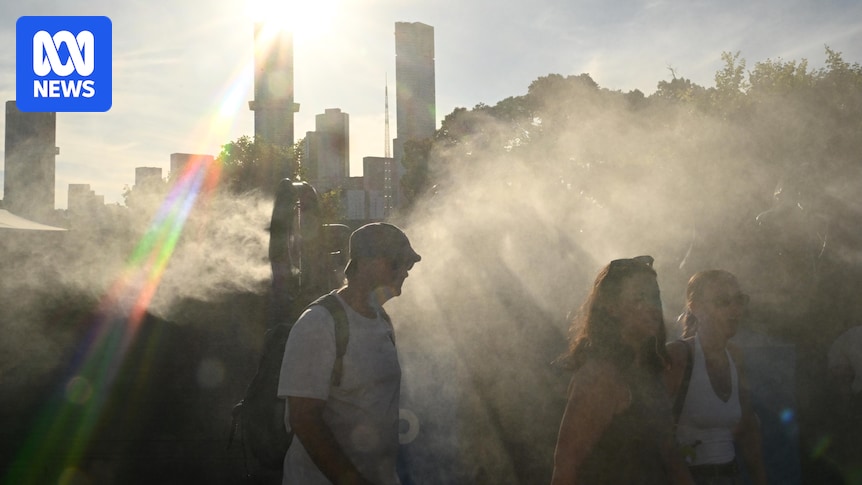
For those attending the tournament, staying cool is paramount. Water misters and shaded areas are available throughout the grounds, particularly near hydration stations. Dr. Brearley emphasized that while hydration is crucial, it may not suffice on its own.
“Most people want to cool down when they get hot. But what you can do is actually cool your body before you get hot and give yourself a greater window for heat storage and improved performance early in the match,” he advised.
Pre-cooling strategies, such as consuming icy-poles or slushies, can help spectators manage the heat. Athletes often use ice baths or ingest crushed ice drinks before exposure to high temperatures to create an internal heat sink.
As Melbourne braces for this heatwave, the adjustments to the Australian Open’s schedule reflect a proactive approach to ensure the safety of players and spectators alike. The tournament’s response to these extreme conditions underscores the ongoing challenges posed by climate change and the need for adaptive measures in sporting events worldwide.