


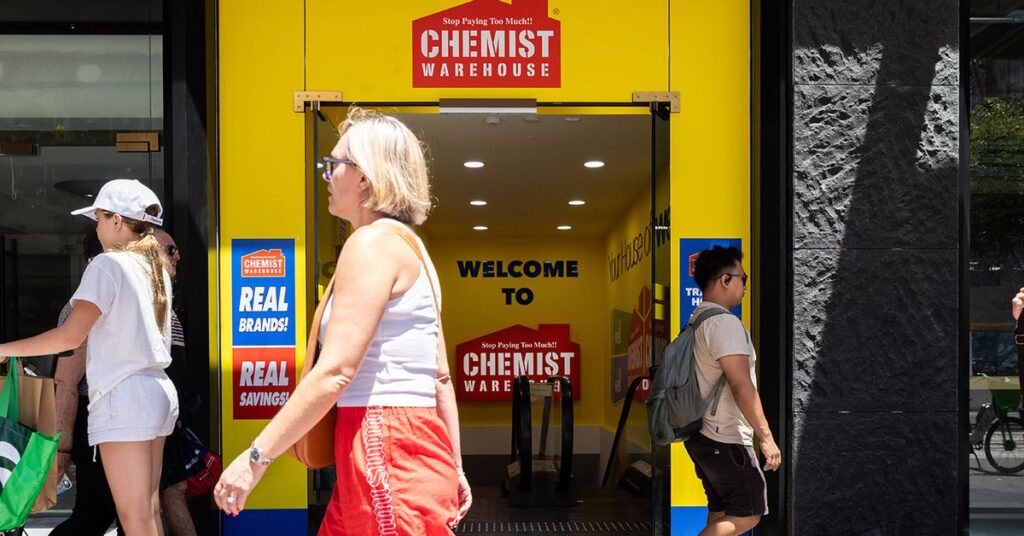
Australians are already feeling the pinch at the petrol pump as prices surge due to the escalating conflict in Iran, and now there are growing concerns that the cost of filling a prescription could be next. Logistical challenges and supply shortages threaten to drive up medicine prices as tensions in the Middle East continue to unfold.
The potential for even minor price increases or brief shortages could significantly impact Australians’ finances and health. However, Dr. Michael Wright, president of the Royal Australian College of General Practitioners (RACGP), has urged the public to remain calm. “If we do have a shortage, people shouldn’t panic because in most situations there will be an alternative,” he told nine.com.au. “And for most people, given that most medications are on the PBS [Pharmaceutical Benefits Scheme], it shouldn’t make a difference to the price.”
Supply Chain Disruptions and Their Impact
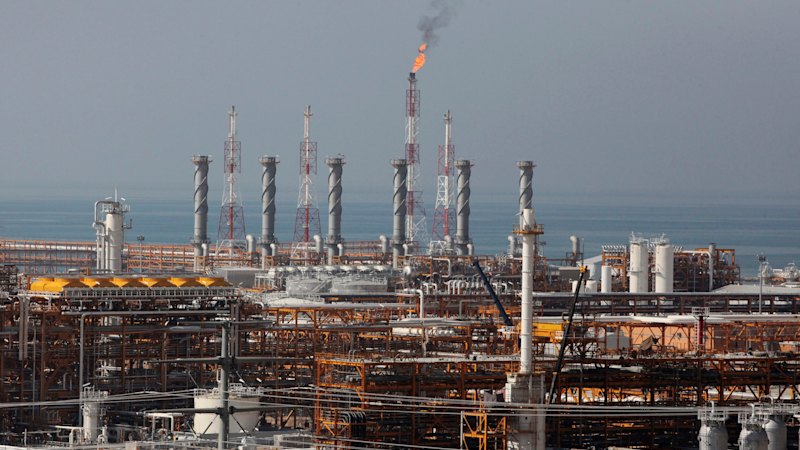
Pharmaceutical companies are currently scrambling to reroute critical medical supplies due to Iran’s blockade of the Strait of Hormuz. This vital trade route’s closure has forced some companies to shift from sea to air freight and find alternative flight paths to avoid volatile Middle Eastern airspace.
Essential petroleum-based ingredients used in common drugs like paracetamol, ibuprofen, and antibiotics, as well as raw materials sourced from the Middle East, could soon face shortages. These disruptions are likely to lead to manufacturing delays, medicine shortages, and potential price hikes in Australia.
“We would also encourage patients not to panic buy or stockpile medicines, as this can place unnecessary pressure on supply and impact access for others,” Medicines Australia advised in a statement to nine.com.au.
Historical Context and Current Challenges
Australia has been grappling with medicine shortages since the COVID-19 pandemic, with nearly 400 medicines currently in short supply. Of these, 37 are considered critical, and more than 90 are anticipated to face shortages. The ongoing war in the Middle East may further disrupt these already strained supply chains.
The Therapeutic Goods Administration (TGA) monitors these shortages and has previously expedited alternative medicines during critical shortages. However, with Australia importing 90 percent of its medications and most raw ingredients, the prospect of prolonged supply issues is concerning.
“Our patients are very concerned about the impact of medicines supply,” noted Professor Mark Morgan, chair of the RACGP Expert Committee on quality care. “There are few things more concerning than potentially losing access to a medicine you have been advised to take for your health.”
Looking to the Future: Potential Solutions
The conflict in the Middle East has highlighted Australia’s vulnerability to global supply shocks. Dr. Wright suggests that increasing local pharmaceutical production could help mitigate some of these risks. “One thing we probably could do more of is we could produce more medications locally, and that would be a way to get around some of our dependencies,” he said.
Professor Morgan echoed this sentiment, emphasizing the need for a robust local pharmaceutical manufacturing industry to reduce supply risks. Meanwhile, in the UK, which also heavily relies on imported medicines, Dr. Leyla Hannbeck of the Independent Pharmacies Association has called for government action to prevent major shortages. Her recommendations include shorter prescription durations and legislation to ban the export of 150 drugs.
While Australia is not yet at the stage of implementing such drastic measures, Dr. Wright reassures that there is no need for panic. “We certainly don’t have to panic or take sort of drastic action at this point,” he stated.
The situation remains fluid, and stakeholders are closely monitoring developments to ensure that Australians continue to have access to the medicines they need.