

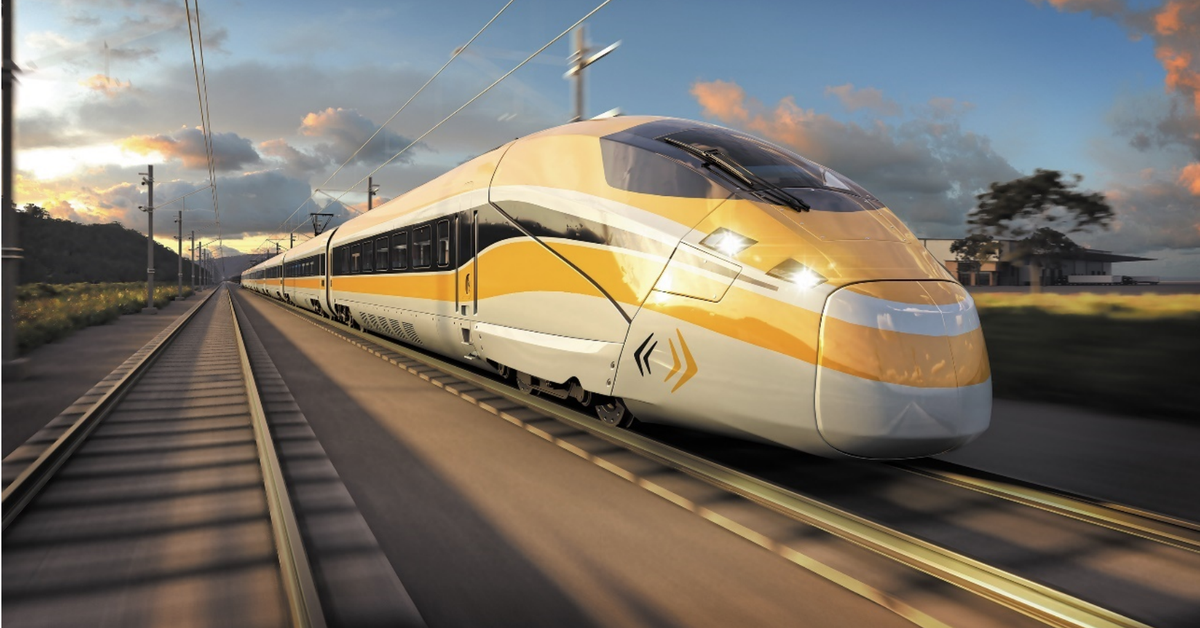
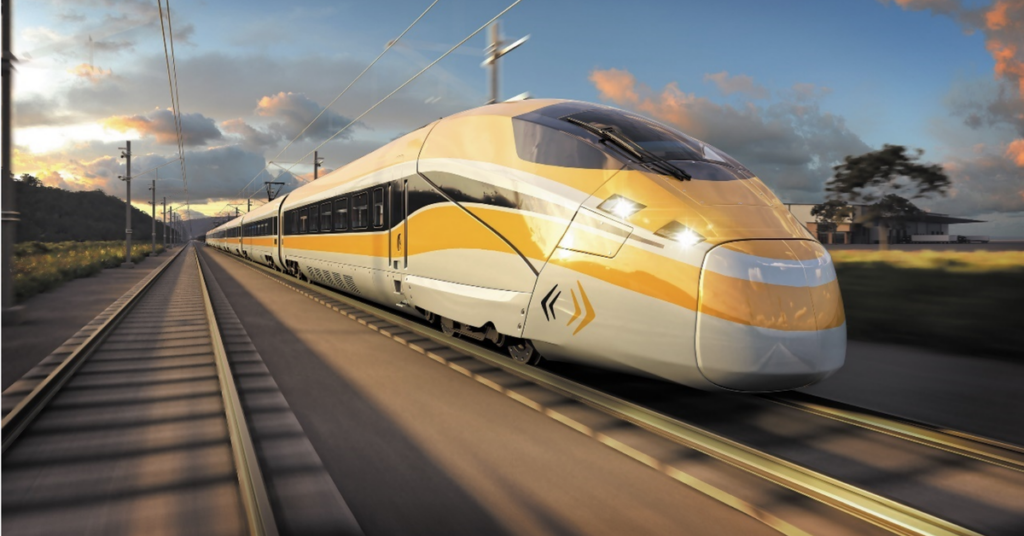
The wheels are now officially in motion for a high-speed train network between Sydney and Newcastle. The federal government has announced seven major tenders ahead of construction beginning for the massive rail upgrade, which would connect Newcastle to the Sydney CBD in just one hour.
Construction for the $61.2 billion rail link is expected to be “shovel-ready” within two years. Among the tender packages are technical and architectural advising, environmental planning, and demand forecasting. Businesses hoping to apply for the open tender can do so through the government’s online portal.
A panel is typically used to evaluate tender submissions and designate the projects to businesses. This announcement marks the beginning of phase one of the $61.2 billion project. The taxpayer bill is expected to rise up to $93 billion once the line extends to the new Western Sydney airport.
Phase One: A Nation-Shaping Infrastructure Project
The government’s total investment for the development phase is now $659.6 million. The first phase will ensure line one is construction-ready and is a key milestone in delivering a “nation-shaping infrastructure project,” according to government statements.
“The expert teams we are seeking to appoint will help us form a detailed plan to deliver high-speed rail, supporting thousands of highly skilled jobs across engineering and project management in the process,” Minister for Infrastructure Catherine King said. “Australian workers and businesses will be front and centre of delivering this project.”
The train network will be the most expensive piece of infrastructure ever funded by the Australian federal government. It will connect Newcastle to Sydney in one hour, link the Central Coast to the capital in half an hour, and add billions to the economy, according to a business case promoted by the government.
Economic Impact and Job Creation
More than 16 million passengers a year are expected to take the $31 one-way trip. The government also projects that the rail link will boost the Australian economy by $250 billion over the next 50 years and produce more than 99,000 new jobs.
Currently, it takes around two hours and 40 minutes to travel by train between the two major cities.
Prime Minister Anthony Albanese teased the announcement last month, arguing that high-speed rail connecting the most heavily populated parts of the country “absolutely makes sense.” An evaluated business case has proposed construction to start by 2027 and completion by 2042.
Looking Ahead: Challenges and Opportunities
The announcement comes as Australia seeks to enhance its infrastructure to meet growing demands and environmental challenges. High-speed rail is seen as a sustainable alternative to road and air travel, potentially reducing congestion and emissions.
Experts highlight the importance of careful planning and execution to ensure the project’s success. “High-speed rail can transform regional economies, but it requires meticulous planning and robust financial management,” said transport economist Dr. Emily Chen.
Meanwhile, the project faces challenges, including potential environmental impacts and the need for significant coordination between federal and state governments. The success of this ambitious project could set a precedent for future infrastructure developments in Australia.
The move represents a significant step towards modernizing Australia’s transport infrastructure, promising to reshape the connectivity between major urban centers and regional areas.
As the project progresses, stakeholders and the public will be keenly watching its development, hoping it delivers on its promise of economic growth and improved transportation efficiency.