




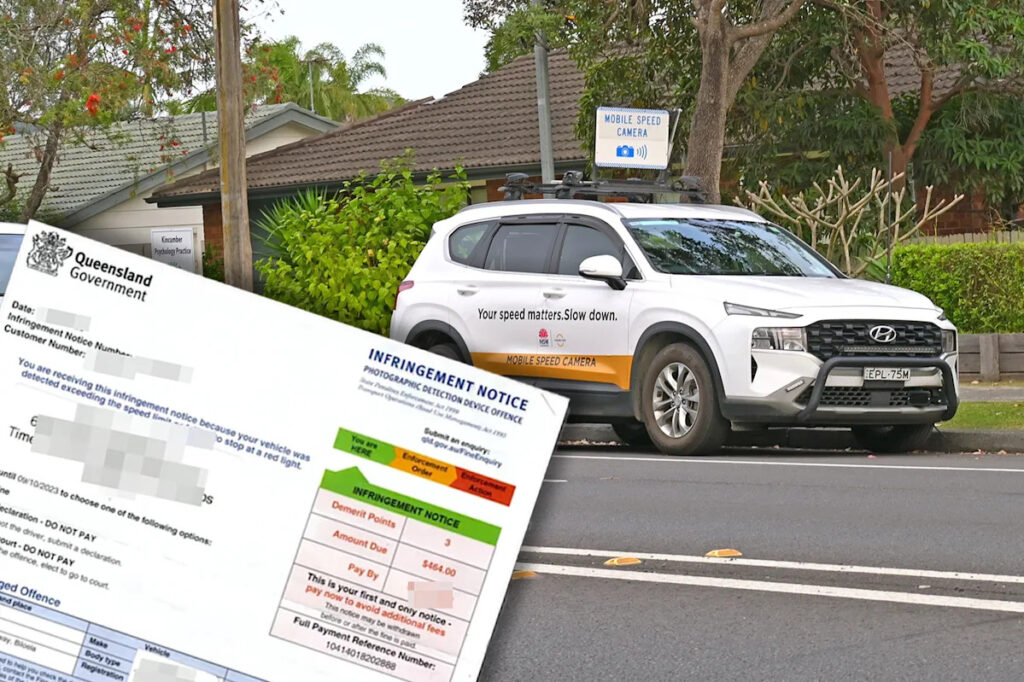
An Australian driver is contesting a $464 speeding fine, arguing the absence of visible warning signs on a road he travels daily. The driver, who remains unnamed, claims that the speed camera signage was not apparent, prompting questions about the legal requirements for speed camera warnings.
This case highlights a common concern among motorists regarding the visibility and necessity of speed camera warning signs. As traffic volumes increase, speed cameras are deployed more frequently to enhance road safety. However, the rules governing these cameras and their signage vary across Australia’s states and territories.
The Legal Landscape of Speed Camera Signage
Speed cameras in Australia can be either mobile or fixed, and their deployment is subject to different regulations depending on the jurisdiction. According to legal experts Alison and Jillian Barrett from Maurice Blackburn, there is no nationwide mandate requiring warning signs for speed cameras. Each state and territory sets its own standards, generally allowing fines even if a warning sign is not visible.
For a speeding fine to be legally valid, certain conditions must be met. The speed limit must be lawfully posted and clearly signposted. If a speed limit sign is missing, damaged, or incorrect, it could affect the fine’s validity. Additionally, the camera itself must be approved, calibrated, and compliant with the relevant state or territory’s legislation.
Challenging a Speeding Fine
Drivers wishing to dispute a speeding fine must navigate a formal review process, which can involve an internal police review or a court challenge, typically in the Magistrate’s Court. To successfully contest a fine, the driver must demonstrate a mistake or present an extenuating circumstance, such as a medical emergency or mental health disorder, that justifies the speeding incident.
Legal experts advise that while the absence of a warning sign is not grounds for contesting a fine, other factors, such as incorrect speed limit signage or camera calibration issues, can be pivotal. Drivers can request calibration certificates, operator logs for mobile cameras, and location approval documentation to support their case.
Understanding the Implications
The outcome of such disputes can have significant implications for drivers. If a court dismisses the fine, the driver avoids financial penalties, loss of demerit points, and any adverse impact on their driving record. However, the process requires presenting compelling evidence and navigating legal procedures, which can be daunting for many.
This situation underscores the importance of understanding local traffic laws and the specific requirements for speed camera signage. It also highlights the need for clear communication from authorities to ensure motorists are adequately informed about speed enforcement measures.
Looking Ahead
As discussions around road safety and enforcement continue, the debate over speed camera signage is likely to persist. With varying regulations across states, calls for a more standardized approach may grow, aiming to balance effective enforcement with fair warning to drivers.
For now, drivers are encouraged to stay informed about the rules in their area and seek legal advice if they believe a fine is unjust. As always, the best defense against speeding fines remains adherence to posted speed limits and attentive driving.
This information is intended for general purposes and should not be considered specific legal advice. For personalized legal assistance, consulting a qualified solicitor is recommended.
For further inquiries or to share your story, contact us at [email protected].