



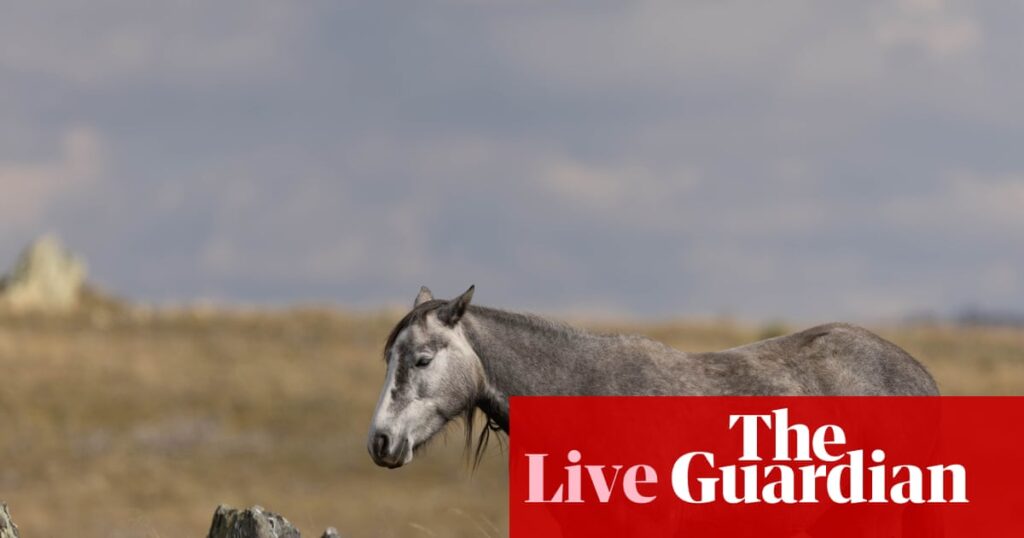
In a decisive move late Thursday night, the New South Wales (NSW) parliament repealed controversial laws that had granted heritage protection to the brumby population in the Kosciuszko National Park. The laws, originally introduced by the NSW Nationals in 2018, have been a point of contention, with environmental advocates arguing that the protection of these wild horses has led to significant ecological damage.
The repeal was passed in the upper house with support from Labor, the Liberals, and crossbench members, despite staunch opposition from the Nationals. This legislative change mandates park operators to manage the brumby population, targeting a reduction to 3,000 feral horses by mid-2027. Current estimates suggest there are between 1,579 and 5,639 brumbies in the park, highlighting the scale of the challenge ahead.
Environmental Concerns and Legislative Changes
The decision to remove heritage protections from brumbies follows years of debate over their impact on native ecosystems. Advocates for the repeal argue that the horses have contributed to the degradation of the park’s environment, outcompeting native species for resources and damaging fragile alpine habitats.
According to environmental scientist Dr. Emily Carter, “The brumbies have been a symbol of Australian heritage, but their unchecked population growth has had severe consequences for biodiversity in the park. This repeal is a step towards restoring ecological balance.”
Advocates have long argued the protection has helped destroy the park and preference the brumbies over native species.
Political Reactions and Broader Implications
The repeal of the brumby protection laws coincides with the passing of significant environmental legislation at the federal level. Prime Minister Anthony Albanese praised the passage of reforms to the Environment Protection and Biodiversity Conservation (EPBC) Act, which were achieved through a deal with the Greens. These reforms aim to enhance environmental protections while promoting economic growth.
Albanese described the reforms as “a win for business, a win for our natural environment, and a win for the country,” emphasizing the need for more investment and infrastructure that aligns with environmental goals. This legislative success contrasts with the Coalition’s inability to reach a consensus on environmental issues, a point Albanese highlighted in his address to parliament.
These reforms are a win for business, a win for our natural environment and a win for the country.
Expert Opinions and Future Directions
While the repeal of the brumby protection laws is seen as a victory by environmentalists, it has also sparked concerns among heritage advocates who view the brumbies as an integral part of Australia’s cultural landscape. The challenge now lies in balancing ecological restoration with cultural preservation.
Dr. Sarah Hanson-Young, the Greens’ spokesperson for the environment, expressed satisfaction with the legislative changes but acknowledged the need for continued efforts. “It’s a good day for the environment, but there’s a lot more to do,” she stated, highlighting ongoing issues like land clearing and fossil fuel dependence.
It is a good day for the environment and it’s a good day for our forests and our Australian bushland. A good day for our wildlife.
Looking Ahead: Managing the Brumby Population
The task of managing the brumby population in Kosciuszko National Park will require careful planning and execution. The government has set a target to significantly reduce the number of feral horses, but the methods for achieving this goal remain contentious. Culling, relocation, and fertility control are among the strategies being considered, each with its own set of challenges and ethical considerations.
As NSW moves forward with these plans, the focus will be on ensuring that the park’s native species and ecosystems are protected while addressing the concerns of those who value the cultural significance of the brumbies. The outcome of this initiative will likely serve as a precedent for managing similar conflicts between heritage and environmental conservation across Australia.