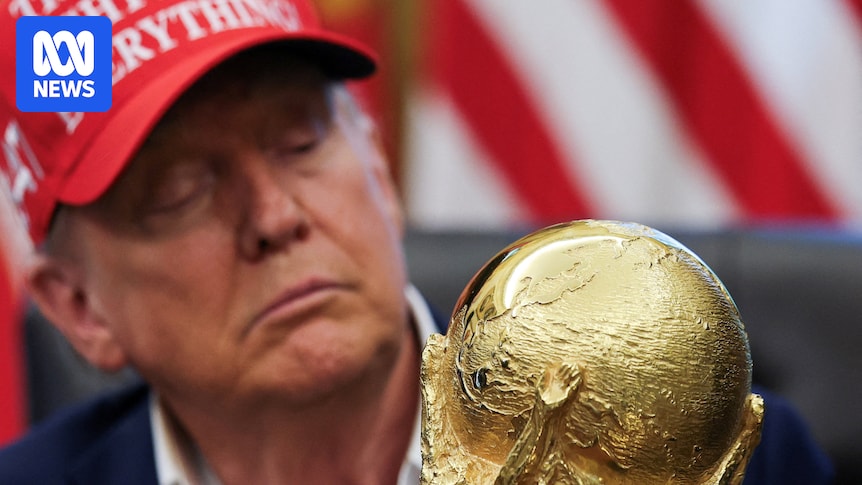

The ongoing Middle East conflict has prompted a series of significant global developments, including Australia’s decision to release 400 million litres of diesel and 300 million litres of petrol from its onshore reserves. This move, announced by Energy Minister Chris Bowen, aims to address fuel shortages as panic buying sweeps across the region. Meanwhile, former U.S. President Donald Trump has intensified his rhetoric against Iran, labeling its leaders as “deranged scumbags” and warning of further actions.
As the conflict nears its two-week mark, the toll continues to rise with over 2,000 fatalities reported. The situation remains volatile, with Iran’s Supreme Leader Ayatollah Mojtaba Khamenei vowing to avenge the blood of martyrs and maintain the blockade of the Strait of Hormuz. This strategic waterway is crucial for global oil shipments, and its closure has sparked widespread economic repercussions.
Fuel Shortages and Economic Impact
Australia’s release of fuel reserves is a direct response to the regional shortages exacerbated by the conflict in the Middle East. Service stations and wholesalers have reported running dry, leading to widespread panic buying. The federal government has also relaxed fuel-quality requirements, allowing higher-sulphur petrol, usually reserved for export, to be sold domestically.
Assistant Minister for Foreign Affairs Matt Thistlethwaite emphasized that while there is no crisis of supply, the government is taking proactive measures to ensure stability. “There are supplies coming into the country, and we have the reserves in stock,” he stated, urging the public to refrain from panic buying.
Fuel prices have surged past $2 a litre across Australia, with shortages particularly acute in regional areas.
In response to these challenges, some have suggested rationing fuel in urban areas to prioritize rural regions. However, the government has rejected this proposal, maintaining that current measures are sufficient to manage the situation.
International Reactions and Military Escalations
The conflict has also seen heightened military activity, with the Israel Defence Forces (IDF) launching extensive strikes on Iranian targets. Over the past day, the IDF reported hitting more than 200 sites, including missile launchers and weapons production facilities, as part of “Operation Roar of the Lion.”
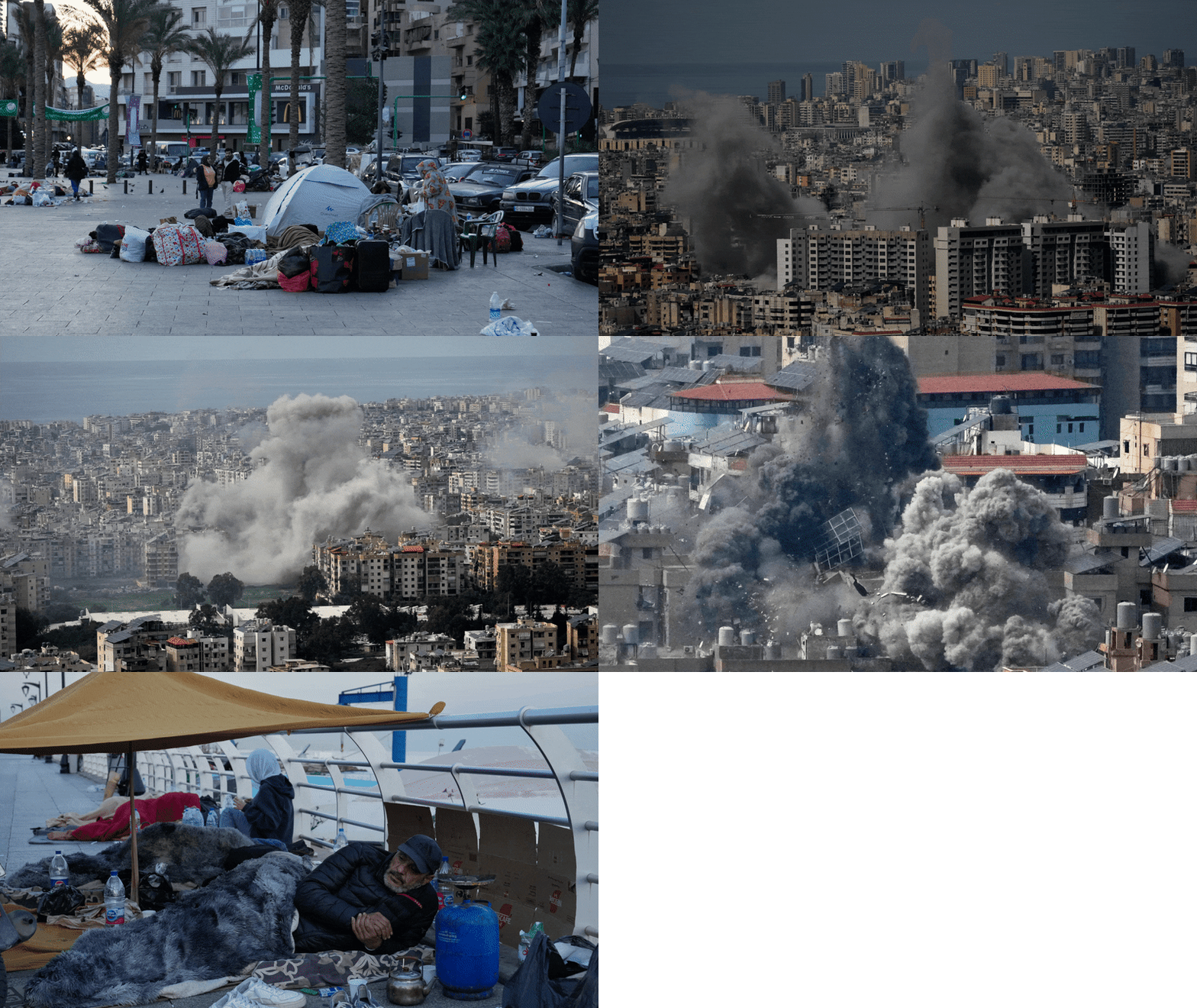
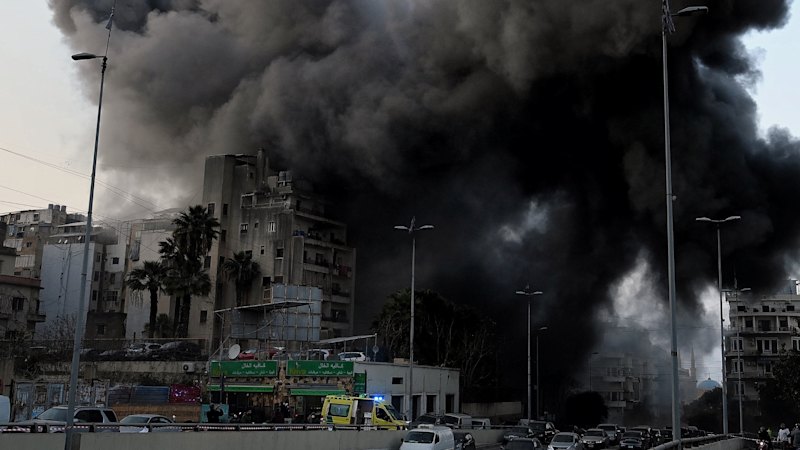
In Lebanon, Israeli forces targeted infrastructure used by Hezbollah, marking a significant escalation as civilian areas were also affected. The strikes have led to casualties and widespread displacement, with the UN refugee agency reporting up to 4 million people displaced in Iran and Lebanon since the conflict’s onset.
Nearly 60 people were wounded in northern Israel following rocket attacks by Hezbollah, with most injuries described as minor.
Meanwhile, the U.S. has temporarily lifted sanctions on Russian oil to mitigate price surges caused by the Strait of Hormuz’s closure. This move underscores the global economic ripple effects of the conflict, as countries scramble to stabilize energy markets.
Political and Humanitarian Implications
The conflict’s political ramifications are profound, with leaders from Iran, Israel, and the United States adopting increasingly defiant stances. Israeli Prime Minister Benjamin Netanyahu has vowed to continue military operations, while Iran’s new Supreme Leader has called for the closure of U.S. bases in neighboring countries.
On the humanitarian front, the situation remains dire. The UAE’s arrest of individuals under cybercrime laws for sharing videos of missile activity highlights the broader regional tensions and the clampdown on dissent.
As the conflict continues, the international community is closely monitoring developments. The Australian government, for instance, is actively assisting its citizens in the region, with over 13,000 Australians registered with the Department of Foreign Affairs and Trade for updates.
“Just over 4,000 people have returned home on 29 flights,” said Assistant Minister Thistlethwaite, indicating the scale of the evacuation efforts.
Looking Ahead
The Middle East conflict’s trajectory remains uncertain, with potential implications for global energy markets, geopolitical alliances, and humanitarian conditions. As nations respond to the evolving crisis, the international community’s focus will likely remain on diplomatic solutions to prevent further escalation.
For Australia, the immediate concern is ensuring energy stability and supporting citizens abroad. The government’s actions reflect a broader strategy to mitigate the conflict’s domestic impact while engaging with international partners to address the crisis.