


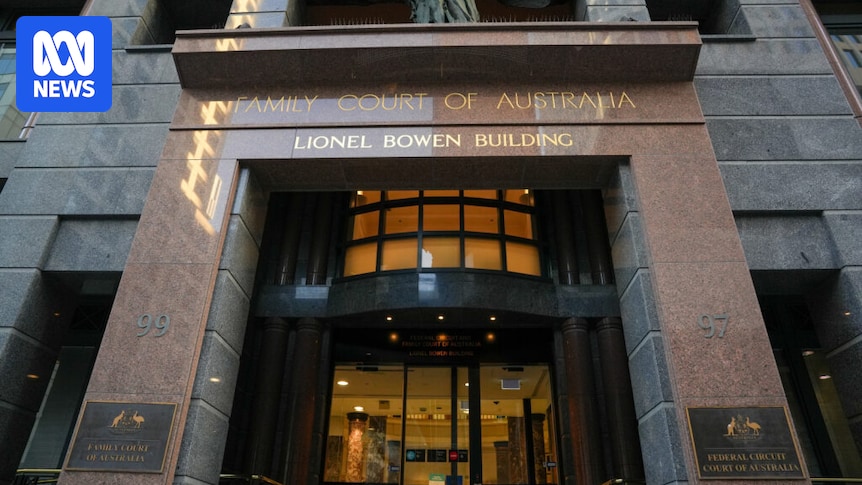
The Australian government has announced a voluntary evacuation plan for the families of its diplomats and officials stationed in the Middle East. This precautionary measure comes in response to escalating tensions in the region, particularly the looming threat of US military action against Iran. The Department of Foreign Affairs and Trade (DFAT) communicated the offer through social media, targeting Australian missions in Israel, Lebanon, Jordan, Qatar, and the United Arab Emirates.
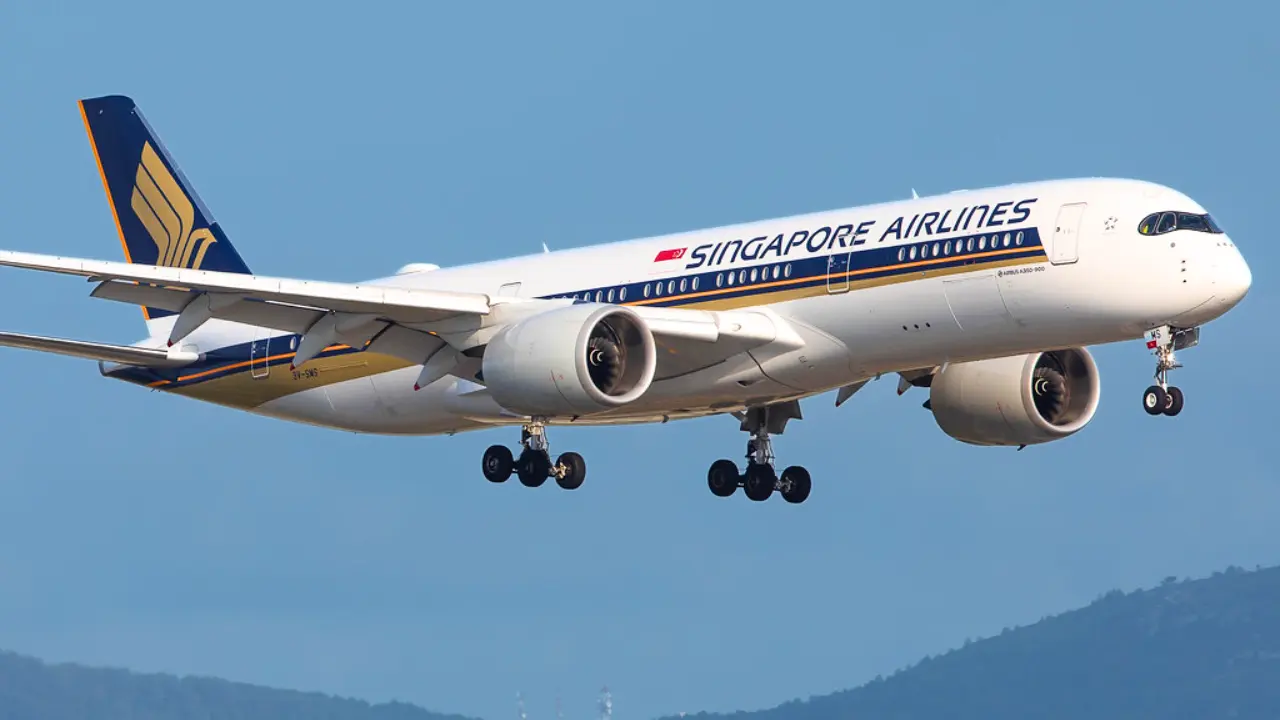
According to DFAT, Australians in these regions should “exercise a high degree of caution,” as potential conflicts could lead to “airspace closures, flight cancellations, and other travel disruptions.” Specific warnings were issued to Australians in Israel and Lebanon, urging them to “consider leaving while commercial options to depart are still available.”
US-Iran Tensions Escalate
The announcement comes as US President Donald Trump reiterated threats to Iran during his State of the Union address. Ahead of indirect talks scheduled in Geneva, Trump emphasized his preference for a diplomatic solution but maintained a firm stance against allowing Iran to develop nuclear weapons.
“My preference is to solve this problem through diplomacy,” he stated. “But one thing is certain, I will never allow the world’s number one sponsor of terror, which they are by far, to have a nuclear weapon — can’t let that happen.”
Military Build-Up in the Region
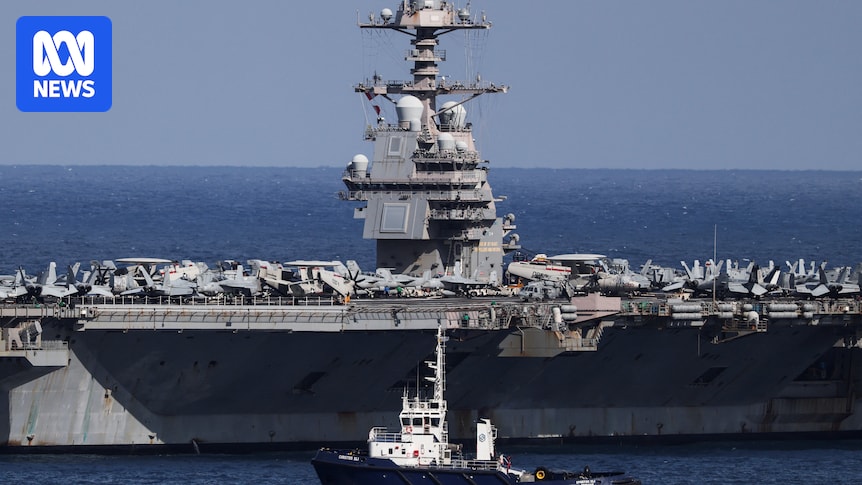
In recent weeks, the Middle East has seen a significant increase in US military presence, marking the largest build-up since the Iran war. The USS Gerald R. Ford, the US Navy’s largest aircraft carrier, was recently spotted near Crete, heading towards the eastern Mediterranean. Another carrier strike group, led by the USS Abraham Lincoln, is already positioned in the Arabian Sea.
Additionally, numerous US aircraft have been stationed at key locations such as the Al Udeid base in Qatar, the largest American military facility in the region. Stealth fighter jets have also been observed landing in Israel, underscoring the heightened military readiness.
Potential for Wider Conflict
The possibility of military action against Iran raises concerns about a broader regional conflict. Iran has vowed to respond “ferociously” to any strikes, threatening US bases and allies across the Middle East. The governments of Saudi Arabia and the UAE have stated they will not permit their airspace to be used for launching strikes on Iran. However, their close ties with Washington could inadvertently draw them into any escalation.
Such a conflict could severely disrupt transport routes through the Middle East. Airports in the UAE and Qatar rank among the busiest globally, and the region’s shipping channels are crucial to international supply chains.
Uncertain Timing and International Reactions
The timing of any potential US strike remains uncertain. Reports indicate that President Trump has been briefed on various military intervention options. Meanwhile, Indian Prime Minister Narendra Modi’s two-day visit to Israel has sparked speculation that any military action would likely be postponed until after his departure.
Iranian officials have been vocal in their criticism of US and Israeli rhetoric. Esmaeil Baqaei, a spokesperson for Iran’s Foreign Ministry, accused the US of engaging in a systematic disinformation campaign.
“‘Repeat a lie often enough and it becomes the truth’, is a law of propaganda coined by Nazi Joseph Goebbels,” Baqaei remarked. “This is now systematically used by the US administration and the war profiteers encircling it, particularly the genocidal Israeli regime, to serve their sinister disinformation & misinformation campaign against the Nation of Iran.”
Implications and Future Prospects
The current situation underscores the fragile balance of power in the Middle East and the potential for rapid escalation. As diplomatic efforts continue, the international community watches closely, aware that any military action could have far-reaching consequences.
Australia’s decision to offer voluntary evacuations reflects the seriousness of the threat and the government’s commitment to ensuring the safety of its citizens abroad. The evolving dynamics in the region will require careful monitoring and strategic diplomacy to prevent a full-scale conflict.