




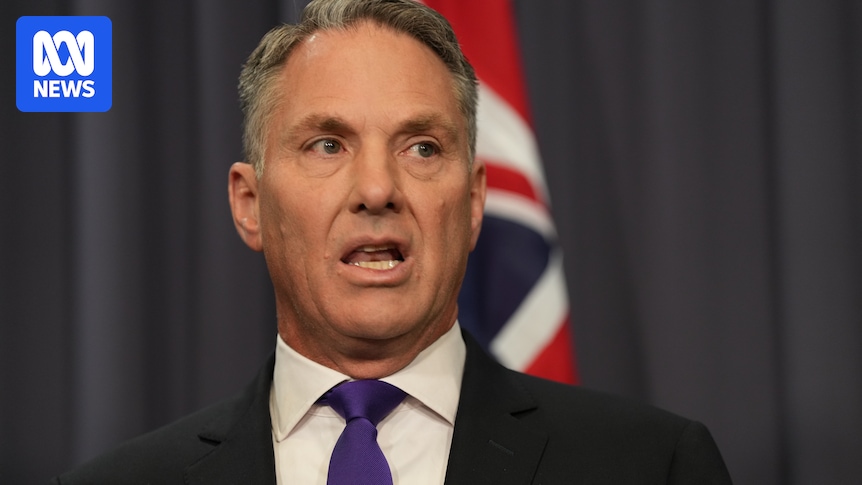
Australia is closely monitoring a Chinese naval task group currently in the Philippine Sea, with Defence Minister Richard Marles emphasizing the importance of maritime awareness in areas of national interest. This comes amid significant reforms in Australia’s defence structure, aimed at enhancing efficiency and accountability.
The Chinese flotilla’s movements have raised concerns about regional security, particularly in light of previous circumnavigation of Australia by Chinese military vessels. Marles assured that the Australian Defence Force (ADF) maintains vigilant surveillance across key maritime zones, although he refrained from disclosing specific monitoring tactics.
Defence Restructuring: A Historic Overhaul
In a parallel development, the Australian government has announced a sweeping overhaul of its defence department. The restructuring involves merging three major groups into the newly formed Defence Delivery Agency. This initiative is part of a broader strategy to address cost overruns and project delays, while simultaneously ramping up military spending.
Defence Industry Minister Pat Conroy described the changes as the most significant in 50 years, promising improved discipline and accountability. The new agency will operate autonomously, reporting directly to government ministers and managing budgets for major acquisitions.
Challenges and Criticisms
The restructuring has sparked debate over potential impacts on personnel and project management. While Defence Minister Marles assured that no job cuts are anticipated, the focus remains on enhancing operational efficiency. The government aims to ensure that Defence projects are delivered on time and within budget, a goal underscored by past failures under previous administrations.
“There were 28 different projects running a combined 97 years over time when Labor first came to office,” Marles stated, highlighting the necessity of the reforms.
Political Reactions and Strategic Implications
Meanwhile, political discourse continues around Australia’s defence and foreign policy strategies. Shadow Defence Minister Angus Taylor has criticized the government’s approach, calling for a stronger stance against potential threats from China. He emphasized the need for a robust defence capability to deter conflict.
Taylor’s comments reflect broader concerns about Australia’s strategic positioning in the Indo-Pacific region, particularly as China expands its military presence. The opposition has also raised questions about immigration policies and their impact on national security.
Energy Security Concerns
In related news, Environment Minister Murray Watt addressed energy security issues, as the Australian Energy Market Operator (AEMO) warned of potential electricity supply challenges. The impending closure of the Eraring coal power station has highlighted the need for a transition to renewable energy sources.
“Coal power is reaching the end of its life in Australia and will need to be replaced by renewable energy,” Watt stated, emphasizing the economic and environmental benefits of renewables.
Looking Ahead: Defence and Energy Policies
As Australia navigates these complex challenges, the government’s defence and energy policies will remain under scrutiny. The ongoing monitoring of Chinese naval movements underscores the delicate balance of maintaining national security while fostering diplomatic relations.
The defence restructuring is expected to play a crucial role in enhancing Australia’s military capabilities, ensuring that the nation is prepared to meet future challenges. Meanwhile, the transition to renewable energy will be vital in securing a sustainable and reliable electricity supply for the future.
These developments highlight the interconnected nature of defence, energy, and foreign policy, as Australia positions itself in a rapidly changing global landscape.