



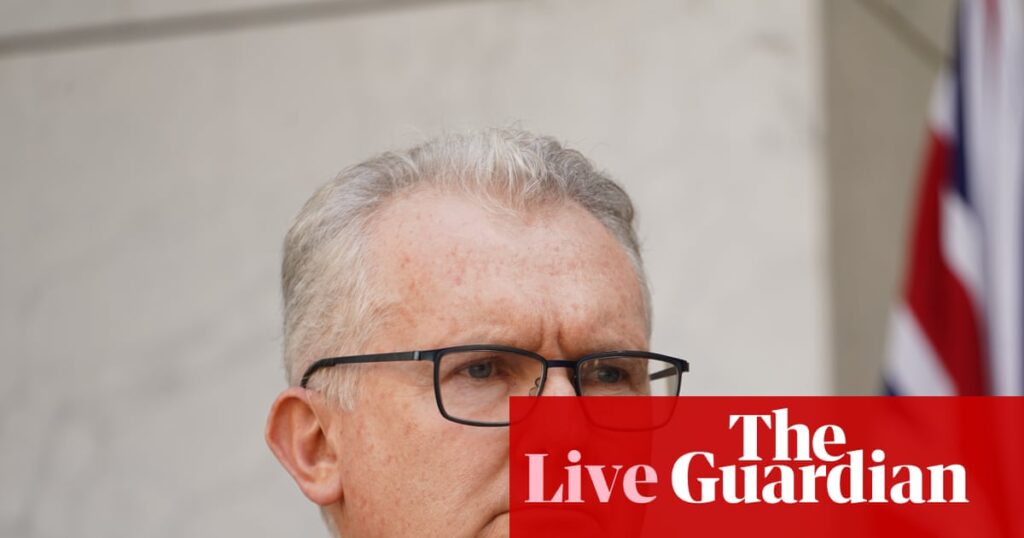
Australia has taken a significant step in addressing hate crimes with the launch of a comprehensive national database that will log all charges related to such offenses. The initiative, announced by Home Affairs Minister Tony Burke, comes in the wake of a tragic shooting at Bondi Beach that targeted the Jewish community during a Chanukah celebration. The database aims to consolidate information from all Australian jurisdictions, providing a centralized resource for monitoring and responding to hate crimes.
The database, which was a recommendation from the National Cabinet, will be hosted on the Australian Institute of Criminology’s website. It will track offenses targeting race, religion, gender, sexual orientation, gender identity, intersex status, disability, nationality, ethnic origin, or political opinion. Burke emphasized the importance of accurate reporting, stating, “Every Australian has the right to be safe and feel safe, no matter your heritage, what you believe, or who you love.”
Government Response to Bondi Beach Attack
The Bondi Beach shooting, which occurred during a Jewish festival, has prompted a series of governmental actions aimed at preventing future incidents. Former Home Affairs Department Secretary Mike Pezzullo called for a federal royal commission into the attack, suggesting it could be conducted swiftly. However, the government has opted for a different approach by appointing former ASIO boss Dennis Richardson to lead a review of intelligence agencies.
Burke defended this decision, highlighting the need for urgency and expertise in national security. He remarked, “The best way to act with absolute urgency is not to have something chaired by a retired judge but by a national security expert.”
Accelerating National Firearms Register
In conjunction with the hate crimes database, the Albanese government is expediting the rollout of the National Firearms Register, a commitment made in 2023. Drafting instructions for new gun laws have been issued to states and territories, reflecting the government’s proactive stance on national security and public safety.
Tributes and Reflections Amidst Tragedy
As the nation grapples with the aftermath of the Bondi attack, tributes have poured in from various quarters. Prime Minister Anthony Albanese, in his Christmas message, acknowledged the profound impact of the tragedy on the Jewish community and the nation at large. He praised the courage displayed during the attack, calling it “a powerful reminder that, in the worst of times, we see the very best of the Australian character.”
Opposition Leader Sussan Ley also addressed the nation, emphasizing the importance of unity and resilience in the face of hatred and extremism. She expressed gratitude to those working through the holiday season, acknowledging the challenges many families face due to the rising cost of living.
International Solidarity and Future Steps
The international community has also shown support, with Israeli President Isaac Herzog planning a state visit to Australia early next year. This visit is seen as a gesture of solidarity and healing, particularly for the Jewish community affected by the Bondi attack. Jeremy Leibler, President of the Zionist Federation of Australia, welcomed the news, stating that Herzog’s presence would bring comfort and reassurance.
Meanwhile, the New South Wales government has passed new gun and protest laws in response to the Bondi incident. These laws grant police the power to ban street protests for up to three months and introduce stricter gun regulations. The legislation was passed after a lengthy debate, reflecting the urgency and complexity of the issues at hand.
As Australia moves forward, the launch of the hate crimes database and other legislative measures represent a commitment to addressing the root causes of violence and ensuring the safety of all citizens. The government continues to urge the public to report any incidents of hate crimes, emphasizing that collective vigilance is key to preventing future tragedies.