


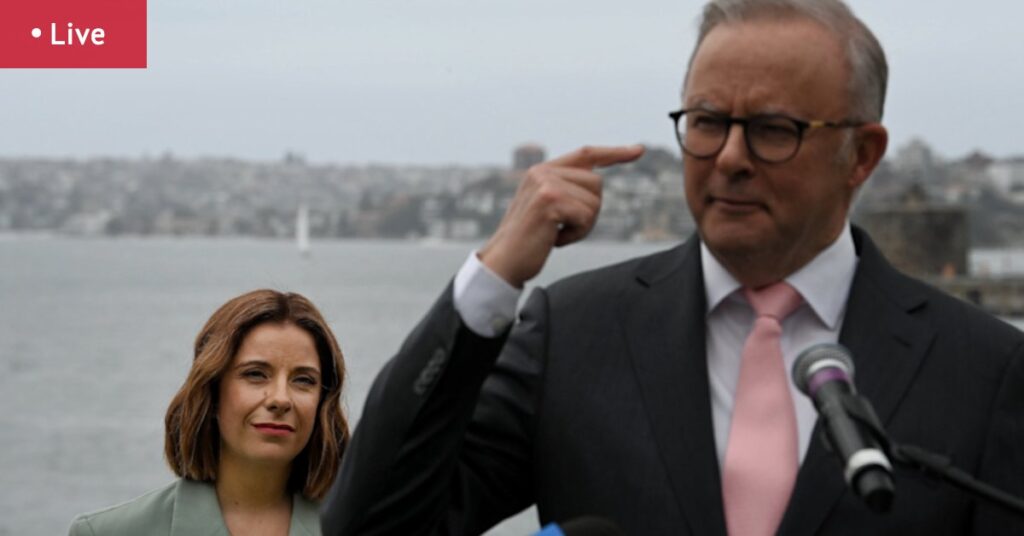
The Australian government has enacted a groundbreaking ban on social media use for individuals under 16, a move praised by Prime Minister Anthony Albanese and Communications Minister Anika Wells. The regulation, which targets platforms such as TikTok, Instagram, Facebook, and Snapchat, aims to protect young users from the potential harms of online environments.
Communications Minister Anika Wells announced the immediate impact of the ban, revealing that over 200,000 TikTok accounts have already been deactivated. “We’re going to see hundreds of thousands across the next few days and weeks,” Wells stated in Sydney, emphasizing the government’s commitment to monitoring the platforms’ compliance through regular data requests.
Government’s Rationale and Implementation
The decision to implement such a ban comes amid growing concerns about the mental health impacts of social media on young people. Minister Wells, who has faced scrutiny over her travel expenses, remains steadfast in her role, highlighting the ban’s potential for cultural and generational change. “I am the steward of a world-leading social media ban,” she declared, underscoring the importance of the initiative.
Despite facing questions about her expenses, Wells defended her position, stating, “Parliamentarians should not set the rules. These things should and do operate at arm’s length for us. My job is to follow the rules.”
International Reactions and Comparisons
Globally, other countries are observing Australia’s approach with interest. Denmark is notably advancing a similar initiative, with plans to restrict social media access for those under 15, albeit with parental consent options for younger teens. Danish Digitalisation Minister Caroline Stage Olsen expressed admiration for Australia’s decisive action, calling it “a really important step.”
Olsen highlighted the discrepancy between societal concerns for children’s outdoor safety versus their online activities, stating, “In the real world, we’re worried about letting them play out in our gardens, but we do not care about what is happening to them online.”
Public and Expert Opinions
The ban has sparked a range of reactions domestically. Thirteen-year-old Ariel De Souza-Bell, who was removed from Snapchat, expressed frustration but noted that many of her peers still access TikTok. “Everyone’s been banned from Snapchat, but I don’t think anyone has been banned from TikTok,” she observed.
Meanwhile, media mogul Oprah Winfrey, currently on a speaking tour in Australia, lauded the initiative, suggesting it could transform the lives of a generation. “Australia leads the way for the rest of the world,” she remarked, highlighting the potential for improved social skills among youth.
Challenges and Future Implications
Despite the initial success, challenges remain. Some young users have reportedly circumvented the ban using alternative accounts or VPNs. Prime Minister Albanese acknowledged these issues but emphasized the government’s commitment to the initiative, citing increased funding for the eSafety Commissioner to ensure compliance.
eSafety Commissioner Julie Inman Grant acknowledged potential “technology teething issues” but assured that plans are in place to address non-compliance. “The action won’t be immediate,” she noted, underscoring the complexity of enforcing such a widespread ban.
As Australia embarks on this ambitious path, the world watches closely, considering the potential for similar measures elsewhere. The success of this initiative could set a precedent, influencing global policies on youth digital safety.