
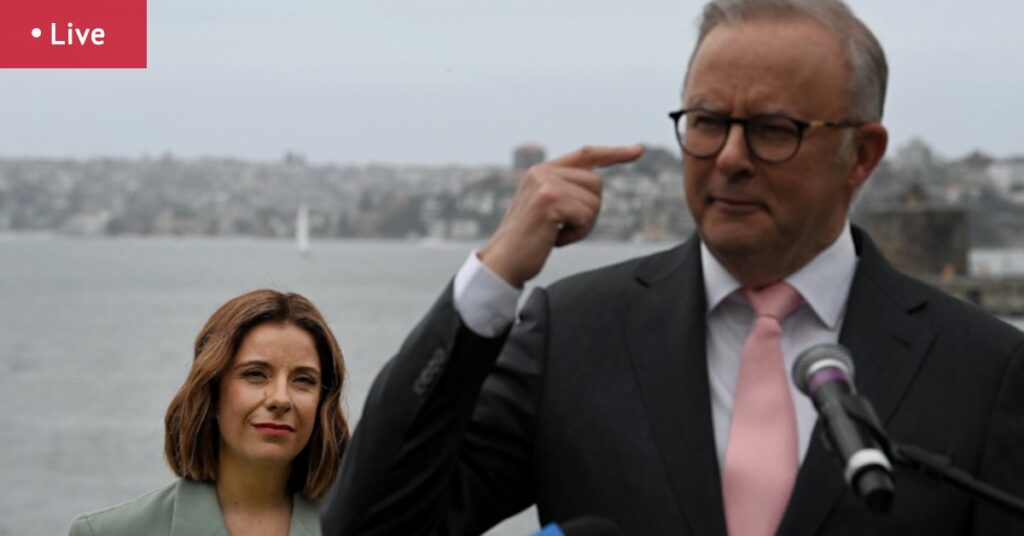
The Australian government’s new ban on social media usage for individuals under 16 has officially come into effect, marking a significant step in global digital policy. Communications Minister Anika Wells announced that the ban’s success will be measured by the number of deactivated accounts, with over 200,000 TikTok accounts already deactivated as of the first day.
Wells, speaking to reporters in Sydney, emphasized the ongoing effort to monitor the ban’s impact. “We’re going to see hundreds of thousands across the next few days and weeks, and we’re measuring that through writing to the platforms tomorrow,” she stated. The government plans to request monthly updates from social media companies to ensure compliance and track the downward trend in underage account activity.
Political Challenges and Public Sentiment
Despite the groundbreaking nature of the ban, Wells has faced scrutiny over her travel expenses. When questioned about stepping down during an expenses review, she firmly responded, “Absolutely not.” She highlighted her role in leading a “world-leading social media ban” and the importance of maintaining public confidence in essential services like the Triple Zero system.
Wells acknowledged the broader national discussion prompted by her expenses, stating, “Parliamentarians should always be sensitive to community sentiment.” She emphasized that rules regarding parliamentary expenses should be set independently of those who are subject to them.
International Reactions and Comparisons
Australia’s decision has sparked international interest, with countries like France, Germany, and Spain considering similar measures, albeit with a focus on parental approval rather than outright bans. Denmark is closely following Australia’s lead, with Digitalisation Minister Caroline Stage Olsen expressing admiration for the Australian law. Denmark’s version of the ban will apply to those under 15, allowing parental consent for children as young as 13 to use social media.
Olsen highlighted the disparity between concerns for children’s online and offline activities, stating, “In the real world, we’re worried about letting them play out in our gardens, but we do not care about what is happening to them online.”
Public Reaction and Expert Opinions
Among those affected by the ban is 13-year-old Ariel De Souza-Bell, who found herself locked out of Snapchat, though she still accesses TikTok. “When I was banned from Snapchat, it just logged me out,” she explained, noting that TikTok has not yet required age verification.
Meanwhile, American media icon Oprah Winfrey, currently on a speaking tour in Australia, praised the ban, suggesting it will positively impact an entire generation. “Australia leads the way for the rest of the world,” she declared, highlighting issues like young people’s addiction to online content.
Communications Minister Wells acknowledged the challenges of the transition period. Speaking on Nova 96.9, she expressed hope that teens will benefit from increased real-world interactions. “We hope that teens will be feeling the effects of real-world connections and won’t be feeling so shackled to the online life,” she said.
Implementation and Future Monitoring
Prime Minister Anthony Albanese emphasized the importance of the initiative, noting that it represents a global leadership role for Australia. “The fact that families are taking back control, the fact that Australia is leading the world,” he stated, underscores the ban’s success.
Despite the ban, some tech-savvy teens have found ways to circumvent restrictions, using VPNs or creating backup accounts. eSafety Commissioner Julie Inman Grant acknowledged potential compliance issues but assured that plans are in place to address non-compliance.
The Australian government remains committed to monitoring the ban’s impact, with the eSafety Commissioner tasked with collecting data from social media companies. “The regulator will be measuring this,” Albanese confirmed, indicating a robust framework for ongoing assessment.
As Australia embarks on this ambitious digital policy, the world watches closely, considering the implications for global social media regulation and the potential for similar initiatives elsewhere.