


Australia is on the brink of a recession unless policymakers confront the reality of stagnating productivity, experts have warned. The potential for declining living standards and the inability to address productivity issues have led some bank executives to caution that the nation may have reached “peak Australia.”
Economist Warren Hogan has issued a stark warning that if the current economic malaise continues, both businesses and households could be at risk. This comes as the Reserve Bank of Australia (RBA) embarks on another rate hiking cycle, and the federal government considers tax reforms ahead of the upcoming budget.
“Productivity is the key, but no one in our economic policymaking circles is prepared to make the tough decisions to get productivity going,” Hogan stated. “And the longer we remain on this pathway, the less flexibility we have in our policy response.”
Economic Leaders Sound the Alarm
The warnings echo sentiments expressed by NAB chief executive Andrew Irvine, who recently told business leaders that Australia’s best days of growth might be behind it. “Without productivity, Australia simply can’t grow any faster than it is today. So how we’re living now in 2026 is, frankly, as good as it gets unless we lift productivity,” he said, adding, “this is peak Australia.”
Rob Scott, CEO of Wesfarmers, which owns major retailers like Bunnings and Kmart, also expressed concern, stating that Australia is at a “tipping point” as inflation outpaces wage growth. “Unless we can address the productivity issue and unleash the entrepreneurial spirit of Australian businesses, we will see living standards decline further,” Scott warned.
Policy Challenges and Economic Indicators
New labour force data released on Thursday showed unemployment holding steady at 4.1 percent for the first month of 2026, adding pressure on the RBA to raise rates. The yield on three-year Australian government bonds has risen above 4.3 percent, surpassing levels seen when the official cash rate was 4.35 percent.
Hogan, in a social media post, argued that current monetary policy settings are inadequate. Speaking to Yahoo Finance, he called for multiple rate hikes to combat inflation, warning that sensitivity to mortgage holders could lead to a financial crisis akin to the early 1990s.
The Productivity Conundrum
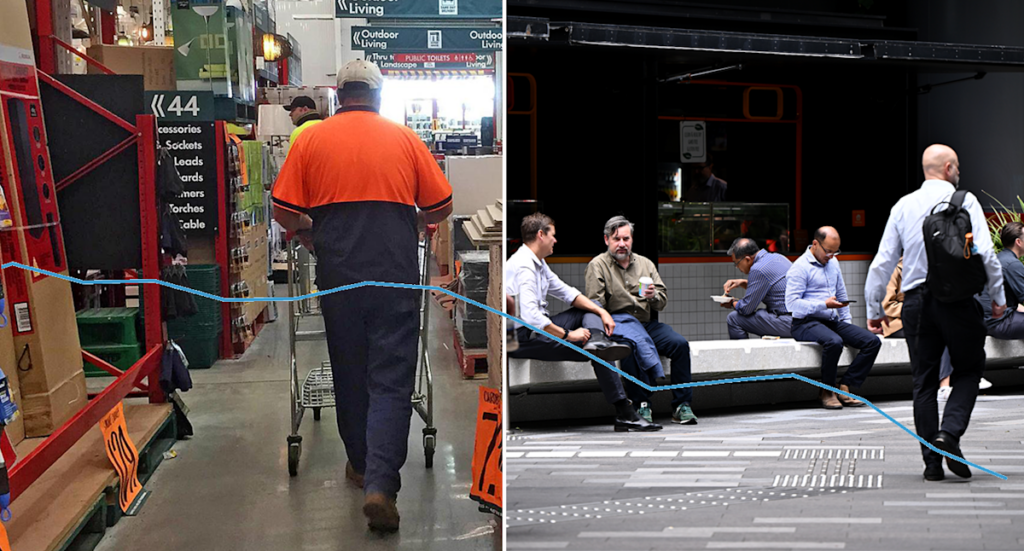
Productivity growth, a key driver of living standards, has been sluggish. It enables higher wages, lower prices, greater consumption, and more leisure time. RBA Governor Michele Bullock has repeatedly highlighted the lack of productivity growth as a major constraint on the economy, contributing to unexpected inflationary pressures.
Currently, Australia’s economy is growing at just above 2 percent, compared to a long-run average of about 3.3 percent. Labour productivity growth has declined from 1.8 percent in 2003-04 to 0.8 percent in 2023-24, according to the ABS.
Despite a three-day government roundtable on productivity and economic reform in August, significant action on tax reform and investment measures remains elusive. A Deloitte Access Economics report noted that Australian living standards are below pre-pandemic levels and are likely to stay that way for much of the next decade without reform.
“The health and wealth of young people in Australia relative to their forebears is a significant and worsening issue,” said report co-author Stephen Smith.
Looking Ahead
The situation demands urgent attention, with experts calling for decisive policy measures to boost productivity. The upcoming federal budget and potential tax reforms could play a crucial role in shaping Australia’s economic future.
As the nation grapples with these challenges, the path forward remains uncertain. However, the consensus among economic leaders is clear: without addressing productivity, the risk of recession looms large.