


Australia’s political landscape is currently embroiled in a series of controversies and significant policy shifts, with the spotlight on parliamentary expense scandals, a landmark social media ban for teenagers, and ongoing debates over governance and accountability.
Parliamentary Expenses Under Scrutiny
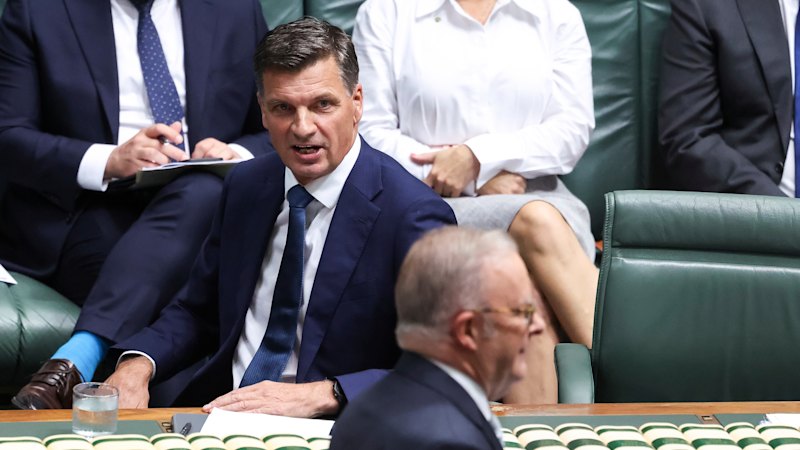
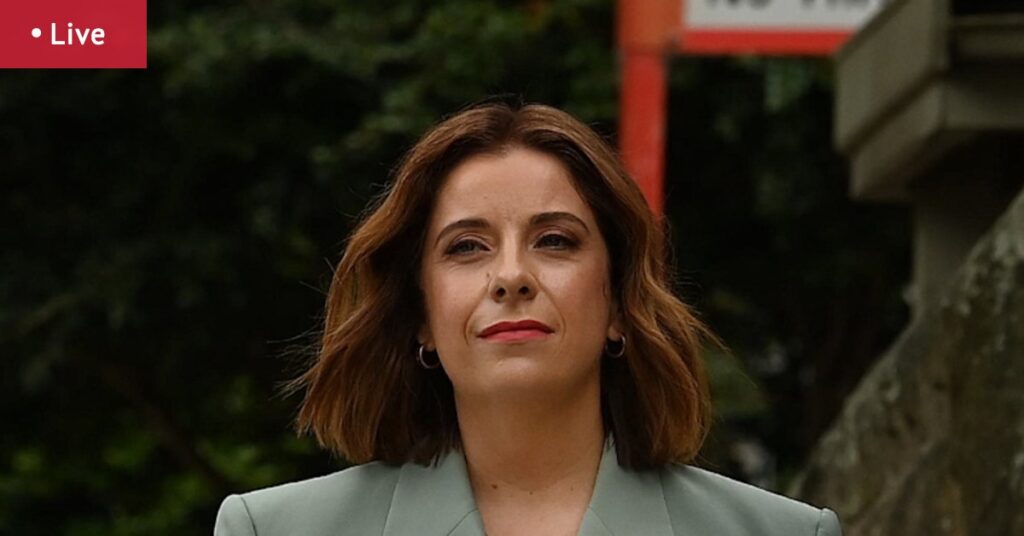
The ongoing scandal surrounding the use of parliamentary expenses has intensified, drawing in multiple parliamentarians. Liberal Senator James Paterson has criticized Communications Minister Anika Wells for her expenditure, which included a $95,000 trip to the United Nations in New York. Paterson emphasized the need for public justification of such expenses, stating, “Just because you can, doesn’t mean you should.”
Wells has since referred her expenses to the Independent Parliamentary Expenses Authority, as public debate continues over the appropriateness of taxpayer-funded entitlements. Opposition Home Affairs Spokesman Jonno Duniam has called for a review of parliamentary expense rules, highlighting the need for reform to align spending with community expectations.
High-Stakes Appeal Overturned
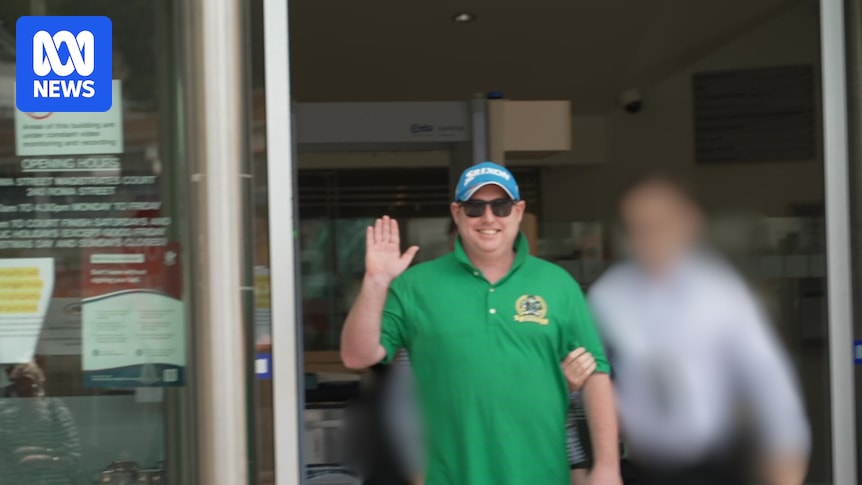
In a dramatic legal development, Greg Lynn, known as the High Country killer, has won an appeal against his conviction and 32-year sentence for the murder of Carol Clay. The Court of Appeal found “serious irregularities” in the trial, ordering a retrial. Justice Karin Emerton noted that the trial’s conduct may have resulted in “serious injustice.”
Lynn, a former airline pilot, was initially found guilty of murdering Clay at a remote campsite in Victoria in 2020. He was acquitted of charges regarding Clay’s camping partner, Russell Hill. Lynn had maintained that both deaths were accidental, claiming panic led him to conceal their bodies.
HESTA Faces Regulatory Action
Meanwhile, the financial sector is witnessing regulatory action as the Australian Prudential Regulation Authority (APRA) imposes additional license conditions on super fund HESTA. The fund, which serves 1.1 million members, faced a “severe, prolonged disruption” during a recent technology upgrade, leaving members unable to access accounts for weeks.
APRA identified deficiencies in HESTA’s risk management and governance, prompting the requirement for independent reviews. HESTA CEO Debby Blakey apologized to members, committing to improvements and emphasizing the long-term benefits of the technology change.
Social Media Ban Sparks Global Attention
Australia’s world-first social media ban for teenagers has taken effect, aimed at addressing concerns over mental health. Health Minister Mark Butler expressed confidence in the ban’s implementation, despite lacking precise data on how many teens have been removed from platforms. The government has warned social media companies of significant fines for non-compliance.
Butler stated, “As the health minister, I know this is going to be probably the best thing we can do for the mental health and the physical health, frankly, of young people, and we’re leading the world.”
Implications and Future Directions
The unfolding events in Australia highlight a critical juncture in governance, accountability, and policy innovation. The expense scandal underscores the necessity for transparent and justifiable use of public funds, potentially leading to significant reforms in parliamentary expense rules.
The legal reversal in Greg Lynn’s case raises questions about the judicial process and the importance of ensuring fair trials. As for HESTA, the regulatory action serves as a reminder of the crucial role of risk management in the financial sector.
Australia’s pioneering social media ban could set a precedent for other nations grappling with the impact of digital platforms on youth. The government’s firm stance indicates a proactive approach to safeguarding young Australians’ well-being.
As these stories develop, the nation watches closely, anticipating potential reforms and the outcomes of these high-profile cases.