



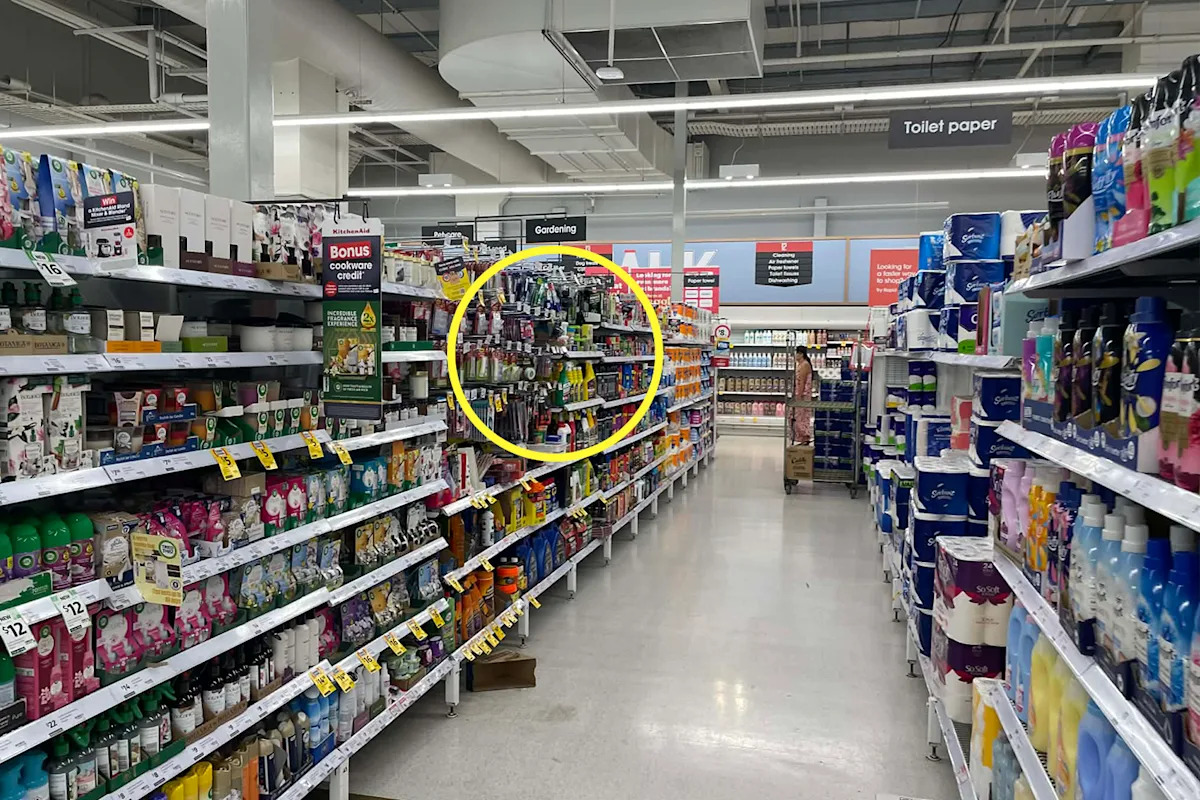
Many Australians are now reconsidering their pest control strategies following the announcement that several dangerous rodent baits will soon be removed from supermarket shelves. This decision has left many wondering how to effectively manage mice and rats on their properties without these products.
On Yahoo News Australia’s Facebook page, discussions have erupted with some suggesting traditional traps lined with cheese, while others recommend less harmful baits that will remain available. Homemade remedies, such as camphor balls, vinegar, or peppermint oil, have also been proposed.
Understanding the Infestation Problem
Pest controller Steven Jackson highlights that a significant reason for rodent infestations, in 75 percent of callouts, is that properties have inadvertently become “comfortable” for these pests. “If you want to avoid the problem, your goal should be to make it as uncomfortable as possible,” he advises.
While tackling rodents in rural areas presents unique challenges, Jackson believes it is possible to reduce rodent numbers in urban and suburban settings. According to experts and conservation groups like Birdlife Australia and Humane World for Animals, altering the environment is often the best strategy for managing rodent issues.
The Role of Odor and Waste Management
Odor plays a crucial role in attracting rodents, and changes in waste management practices are contributing factors. “Over the last couple of years, people have been saving their cans for Return and Earn recycling and leaving them outside without washing them,” Jackson explains. “The beer cans are the biggest problem, as the yeast and beer smell attracts rodents to the property.”
“Even if there’s not much for them to eat, once they’re there, they decide this is a nice place to live and move in.” — Steven Jackson, Expert Pest Control
The Ban on Second-Generation Anticoagulant Rodenticides (SGARs)
This week’s recommendation by the Australian Pesticides and Veterinary Medicines Authority (APVMA) will restrict the sale of SGARs. Once implemented, the measure will align Australia with other jurisdictions like the United States, Canada, and Europe. The decision is a response to growing evidence that SGARs are harming many of Australia’s beloved species, including owls, tawny frogmouths, Tasmanian devils, and quolls.
These poisons also pose risks to pets, such as cats and dogs, which may consume the poisons directly or eat baited rodents. Retailers like Bunnings, Mitre 10, IGA, Coles, and Woolworths have indicated their willingness to comply with the new regulations.
“SGARs were problematic because they can take months to break down in the environment, so every time a predator eats a baited mouse or rat, it becomes sicker and eventually dies.” — APVMA Report
Alternative Solutions and Wildlife Involvement
Conservation groups, including Birdlife Australia, have long been concerned about the unintended consequences of SGARs. Dr. Christina Zdenek, the urban birds program coordinator, notes that salt-based natural baits and first-generation products with chemicals like warfarin will remain available but should be used sparingly.
Encouraging predatory birds, rather than eliminating them with baits, can significantly reduce rodent populations. “Owls can eat 100 mice in a month, and that’s going to be beneficial to humans,” Dr. Zdenek emphasizes.
Traps as an Alternative
Following the announcement of the SGAR ban, many readers shared their homemade rat solutions, some involving traps. Renae Charalambous from Human World for Animals advises consulting professionals before using traps. “We don’t overly advocate for metal snap traps because they are indiscriminate, so if you catch a non-target animal, it’s a catastrophic outcome,” she warns.
It’s common for Australians to mistake native rodents and marsupials for invasive species, leading to their decline since European settlement. In one instance, a woman celebrated catching a “rat” in a homemade trap, only to discover she had killed a brush-tailed phascogale, a species threatened with extinction.
Catch-and-release traps are an option, but they may not be effective for large infestations and require regular checks to ensure animal welfare.
As Australia moves towards more environmentally friendly pest control measures, homeowners are encouraged to adopt sustainable practices that protect both their properties and local wildlife.