
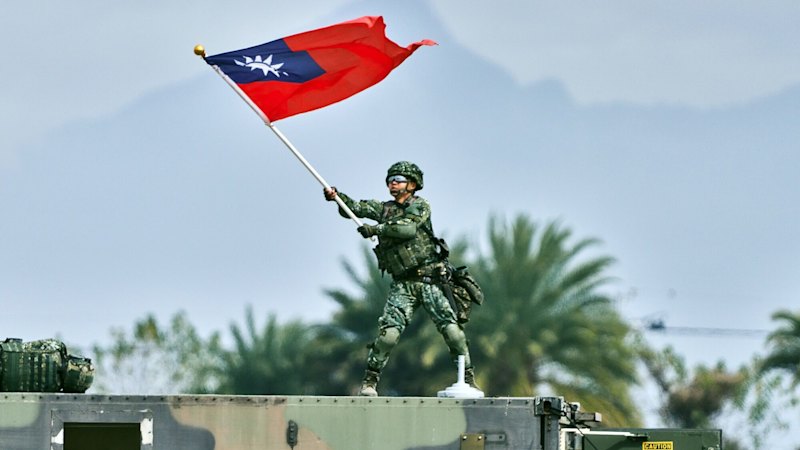
Australia is being urged to bolster its defense and economic relationships with Taiwan, despite potential backlash from China. This call to action comes from a group of leading foreign affairs and national security experts who believe that Australia’s current engagement with Taiwan is lacking compared to nations like Japan. The recommendation, however, is not without controversy, as some experts warn of damaging repercussions to Australia’s relationship with China.
The debate arises as Beijing continues to assert its claim over Taiwan, viewing it as an integral part of its territory. Recent visits by Australian politicians to Taiwan have already sparked angry reactions from China, with its ambassador to Australia reiterating that China’s stance on reunification with Taiwan is non-negotiable.
Strategic Report Advocates for Stronger Ties
An extensive report from the University of Sydney’s United States Studies Centre, set to be launched in Canberra, argues that while strengthening ties with Taipei may entail short-term risks, it is crucial for Australia’s long-term strategic interests. The report, led by senior defense adviser Peter Dean and Bec Strating from the La Trobe Centre for Global Security, emphasizes Taiwan’s significance as a vibrant democracy and a major player in semiconductor manufacturing.
“Taiwan is a hub of economic and technological relevance well beyond its size,” the report states, highlighting its importance in the global supply chain.
The authors criticize Australia’s cautious approach towards Taiwan, suggesting that it has hindered the development of a sophisticated long-term policy. They point out that issues such as regional trade, cybersecurity, and foreign interference have been largely overlooked in the context of Taiwan.
Concerns Over Economic and Political Risks
Despite the report’s recommendations, some experts, like former Department of Foreign Affairs and Trade head Peter Varghese, caution against expanding military cooperation with Taiwan. Varghese argues that such a move could severely damage Australia’s relationship with China without yielding sufficient benefits.
“Defence-to-defence relations take us right up to the boundary line of a state-to-state relationship, and in the end, that is a risky change to the status quo,” Varghese warns.
Meanwhile, the report highlights missed opportunities for Taiwanese companies to invest in Australia due to fears of offending Beijing. It notes that some Taiwanese businesses, particularly in emerging technologies, are hesitant to operate in Australia, fearing a negative response from the Australian government.
Expert Opinions and Recommendations
The panel of experts, including former Australian Signals Directorate boss Rachel Noble and Rory Medcalf from the Australian National University’s National Security College, suggests appointing de facto defense attachés in Taipei and Canberra. This move would align Australia with similar actions taken by Japan, the United Kingdom, the Philippines, and the United States.
Despite the potential risks, the experts argue that Australia needs to explore all policy options to safeguard its strategic interests. They emphasize the importance of developing a more robust and nuanced approach to its relationship with Taiwan.
Looking Ahead: Balancing Diplomacy and Security
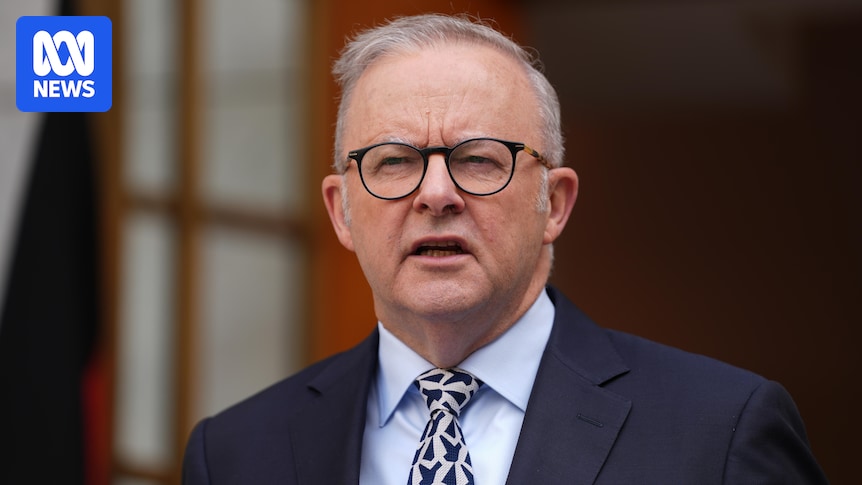
The Albanese government has been successful in restoring diplomatic and trade relations with Beijing, but the question remains whether Australia can maintain this balance while also strengthening ties with Taiwan. As the geopolitical landscape continues to evolve, Australia faces the challenge of navigating its foreign policy in a way that aligns with its values and interests.
The decision to deepen ties with Taiwan could redefine Australia’s role in the region and its relationship with major global powers. As the debate continues, the government will need to weigh the potential benefits against the risks, considering both immediate and long-term implications for its foreign policy strategy.