
Liberal senator Sarah Henderson has sparked debate over the potential return of Australian women and children associated with the Islamic State from Syria. Speaking on ABC’s Radio National, Henderson stressed that individuals who share or potentially share ISIS ideology should not be allowed back into Australia. This stance follows the tragic Bondi terrorist attack, which claimed the lives of 15 Australians.
“Anyone who shares or potentially shares ISIS ideology… This is the ideology that underpinned the Bondi terrorist attack. We believe that self-managed returns must end,” Henderson stated. However, when pressed on alternative solutions for these Australian citizens, Henderson did not provide a clear answer, emphasizing the need for thorough security assessments.
Debate Over Tax Reform and Government Spending
Meanwhile, Opposition spokesman for industrial relations Tim Wilson has outlined his vision for tax reform. Amid speculation of his potential appointment as shadow treasurer, Wilson emphasized the need to reduce taxes, particularly income taxes, to incentivize work. Speaking to Sky News, he highlighted the importance of cutting government spending and eliminating corruption.
“The first thing we can do is stop the waste of public money,” Wilson said, referencing a report alleging $15 billion was handed to organized crime through the CFMEU. His focus remains on lowering taxes, including those on housing, to promote home ownership.
Political Dynamics and Social Media Influence
Prime Minister Anthony Albanese has attributed the rise of One Nation in the polls to global discontent and the influence of social media algorithms. Speaking on ABC Radio Melbourne, Albanese noted that the party’s leader, Pauline Hanson, appeals to those under cost-of-living pressures and those seeking answers in a complex society.
“They appeal to that and provide some sense of being against the status quo… and that’s promoted and helped by social media,” Albanese remarked.
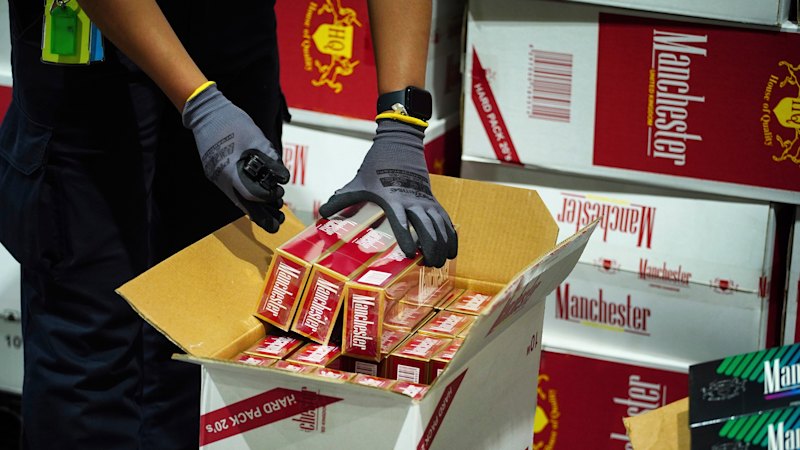
Albanese also addressed the controversial topic of tobacco excise, defending it as a measure for both health and revenue. He acknowledged the high cost of cigarettes in Australia and the ongoing battle against the illegal tobacco trade.
High-Speed Rail and Infrastructure Investments
In a forward-looking move, Albanese announced plans for Australia’s first high-speed rail line, although he admitted he would not be prime minister when it is completed. The project, managed by the High Speed Rail Authority established in 2023, is expected to connect Sydney and Newcastle, with costs estimated at $32 billion.
“I think that it absolutely makes sense. We’re the only inhabited continent on Earth that doesn’t have high-speed rail,” Albanese stated, emphasizing the economic development potential along the route.
Controversy Over Immigration Policy Leak
Adding to the political turmoil, a leaked Coalition immigration policy has drawn criticism. Dubbed “Operation Gatekeeper,” the plan proposed banning immigrants from terror hotspots. However, confusion arose as policy developers, including senators Paul Scarr and Jonno Duniam, distanced themselves from the final draft.
One Nation MP Barnaby Joyce criticized the Coalition’s handling of the situation, calling it “total confusion.” He suggested the plan aligned with One Nation’s stance on immigration, emphasizing the need to assess Australia’s capacity to absorb new immigrants.
This series of developments highlights the complex and often contentious nature of Australia’s domestic policies, as political leaders navigate issues from national security to economic reform and infrastructure investment. As these debates continue, the implications for Australia’s future remain a focal point of national discourse.