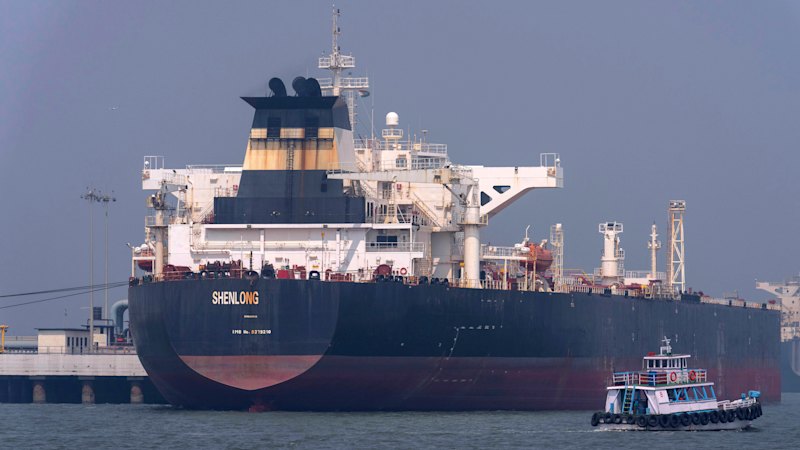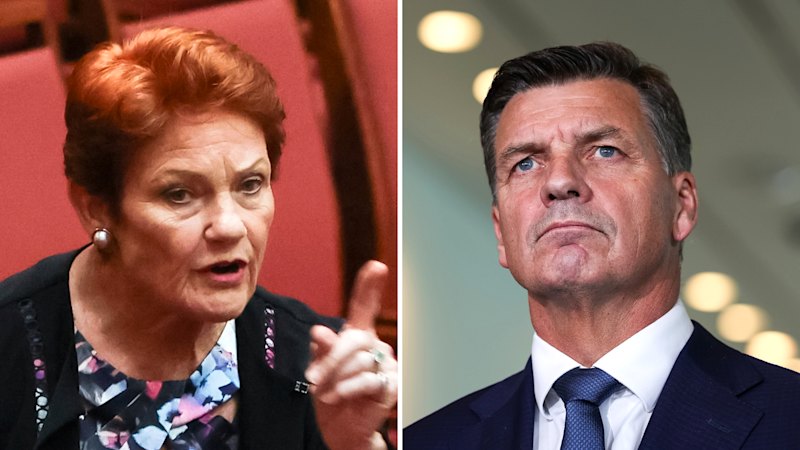



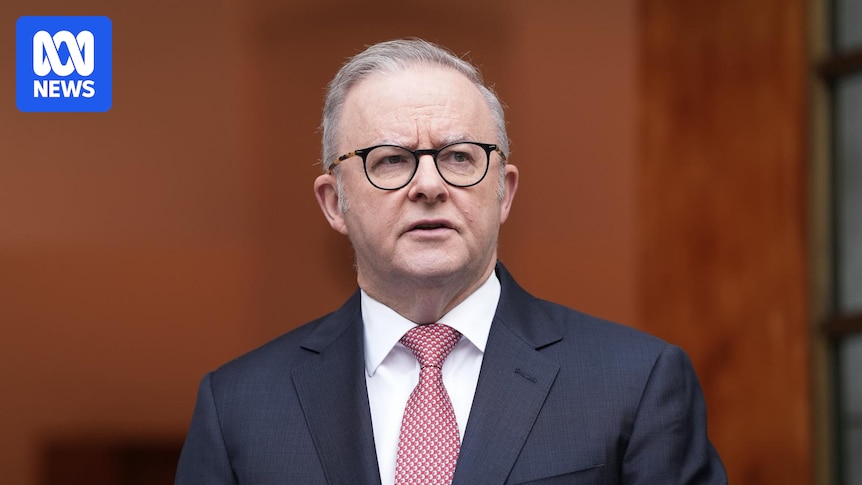
The Australian government is exploring the possibility of imposing a new tax on gas companies to protect the nation from the economic repercussions of the ongoing Middle East conflict. This initiative, revealed by the ABC, involves the Prime Minister’s Department requesting Treasury to model “new levy options” targeting windfall profits of gas giants.
A document from the Department of Prime Minister and Cabinet (PM&C), obtained by the ABC, outlines the government’s interest in reforming the Petroleum Resources Rent Tax (PRRT) and corporate income tax as part of the upcoming May budget. These measures aim to bolster revenue collection for Australians.
The document also suggests that Treasurer Jim Chalmers could announce plans for the new tax ahead of the budget, emphasizing that “energy producers should not benefit from high international prices at the expense of domestic customers.”
Political and Economic Context
This development follows a Senate vote where Labor, the Coalition, and One Nation rejected a Greens amendment proposing a levy on gas companies’ windfall profits. Despite this, the PM&C’s request indicates the federal government’s discreet consideration of calls from crossbenchers, unions, and economists for such a tax.
In a recent speech in Melbourne, Treasurer Chalmers hinted at ambitious responses to global uncertainties in the upcoming budget. “To make Australians beneficiaries, not victims, of all the churn and change we see around the world,” he stated, although he has yet to comment directly on the proposed levy.
Calls for Fair Distribution of Profits
The Australian Council of Trade Unions (ACTU), alongside some economists, has long advocated for a windfall tax on gas profits. They argue that gas companies reap significant profits during energy crises, leaving consumers to bear the brunt of rising prices. The ACTU has proposed a 25 percent export levy on windfall profits to ensure “working people receive a fair stake.”
While the document does not specify the levy size, it aligns with international precedents. The UK introduced a similar windfall tax levy in 2022, initially set at 25 percent, which has been extended and increased to support households facing rising energy costs.
Challenges and Opposition
Despite some changes to the PRRT in 2023, which aimed to increase revenue, the tax generated less than anticipated. Independent MPs, such as Allegra Spender and Senator David Pocock, have criticized the existing PRRT scheme, claiming it allows gas companies to “fleece” the country. Senator Pocock noted that the government opted for the “weakest” reforms proposed by Treasury.
Meanwhile, the Australian Energy Producers, the peak lobby for the oil and gas industry, strongly opposes any additional levy, arguing that the gas industry is already the second-largest corporate taxpayer in Australia.
Support for Legislative Action
In a letter to Prime Minister Anthony Albanese, Greens leader Larissa Waters offered her party’s support to pass legislation for a “flat export levy of at least 25 percent on the value of gas exports” during the next parliamentary session. The letter, seen by the ABC, suggests that the estimated $17 billion in annual revenue from the tax could fund urgent cost-of-living relief, such as free public transport during the fuel crisis.
“Millions of Australians are doing it tough, and these rich corporations should not get a free ride while people are going backwards,” Senator Waters stated.
She further highlighted that Australian gas companies accrued approximately $100 billion in windfall profits during Russia’s invasion of Ukraine, with early indications suggesting that earnings from the Middle East crisis could be “many multitudes” higher.
Future Implications
The move represents a significant shift in Australia’s approach to managing the economic impacts of global conflicts. As the government weighs its options, the decision to implement a windfall tax on gas giants could set a precedent for future economic policy during international crises.
As the May budget approaches, all eyes will be on Treasurer Chalmers and the government’s next steps in addressing the financial challenges posed by the Middle East conflict and ensuring fair distribution of profits within the energy sector.