


Australians will no longer have access to three widely used “nudify” websites, which have been linked to the creation of child sexual exploitation material. The UK-based company behind these services has withdrawn access following enforcement action by the eSafety Commission. The sites, which allow users to upload photos of real people and artificially alter them to appear nude, were receiving approximately 100,000 visits a month from Australians. This move comes in response to several high-profile cases involving AI-generated sexual exploitation material of school students.
The decision to block these websites highlights the ongoing challenges in regulating online content and protecting vulnerable populations, particularly children, from digital exploitation. The eSafety Commission’s action is part of a broader effort to combat the misuse of technology in creating and distributing harmful content.
Environmental Reform: A Mixed Bag of Reactions
In a separate development, Graeme Samuel, who conducted a review of Australia’s environmental protection laws, has endorsed a deal between Labor and the Greens to pass updated legislation. Samuel, who has previously criticized the Coalition for resisting government legislation, praised the amendments for striking the right balance between environmental protection and efficiency. “They’re all sensible, they tighten up issues that will both be in favor of protecting the environment but they don’t impact on the efficiency which was part of the reform,” Samuel stated.
However, the Business Council of Australia (BCA) has expressed mixed feelings about the reform. BCA Chief Executive Bran Black described it as a “missed opportunity” to secure a major party deal, despite acknowledging some sensible changes. The BCA remains concerned about the proposal’s ambiguity and potential risks to business and the economy.
Industry Concerns and Political Tensions
The Minerals Council of Australia has criticized the Labor-Greens deal, arguing that it imposes unnecessary red tape and fails to balance environmental and economic needs. Tania Constable, the Council’s chief executive, stated that the deal would increase regulatory burdens and potentially hinder project development.
Meanwhile, Western Australia Premier Roger Cook has cautiously supported the reform, noting that while it could have been better from an industry perspective, it could have been worse. Cook emphasized the importance of collaboration between federal and state governments to streamline approval processes.
Political Dynamics and Leadership Challenges
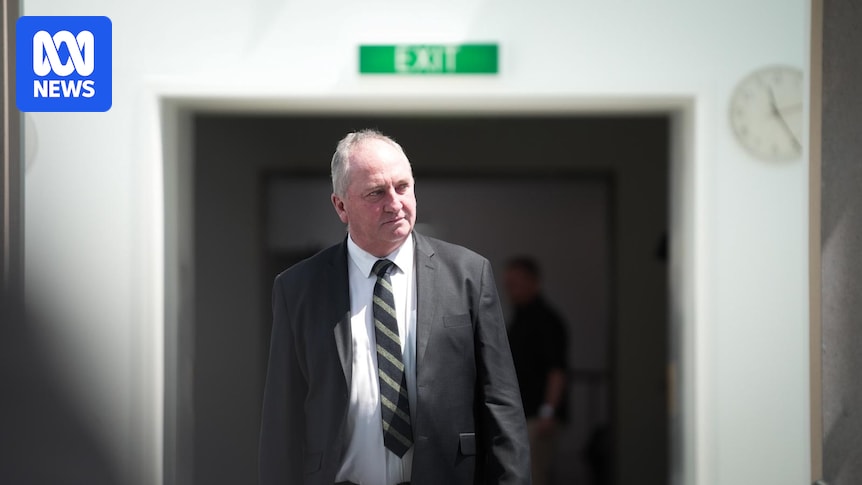
In federal politics, Nationals Senate Leader Bridget McKenzie has warned that former Deputy Prime Minister Barnaby Joyce would “trash” his legacy if he defects to One Nation. Joyce is expected to announce his decision soon, following months of speculation about his political future. McKenzie highlighted Joyce’s significant contributions during his time with the Nationals, urging him to consider the implications of joining a protest party.
Joyce’s potential defection underscores the shifting dynamics within Australian politics, where party loyalty and ideological alignment are increasingly tested by personal and political ambitions.
Climate Targets and Economic Implications
Australia’s climate change minister has revealed that the country is projected to fall short of its 2030 climate target and significantly miss its 2035 target without substantial policy changes. The Climate Change Authority’s annual statement warns that current projections indicate only a 48% reduction in emissions by 2035, far below the government’s commitment of 62-70%.
Shadow Energy Minister Dan Tehan has criticized the government’s climate policies, accusing them of causing an “energy crisis” and undermining Australia’s competitiveness. Tehan argued that the government’s approach to energy transition is costly and disruptive, impacting households and businesses alike.
The Road Ahead: Balancing Progress and Protection
As Australia grapples with these complex issues, the need for balanced and effective policy-making becomes increasingly apparent. The blocking of “nudify” websites marks a significant step in protecting children from digital exploitation, while the environmental reform highlights the challenges of aligning economic and environmental priorities.
Looking forward, Australia’s political and industry leaders must navigate these challenges with a focus on collaboration, innovation, and accountability to ensure sustainable progress and protection for all Australians.