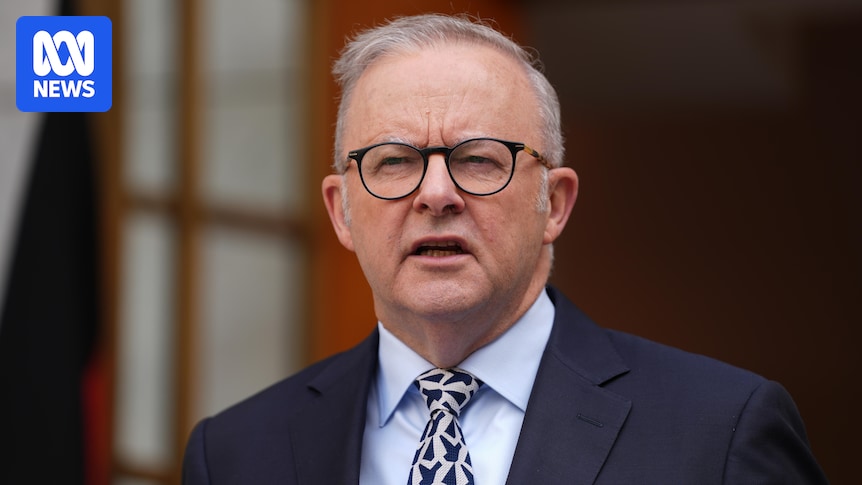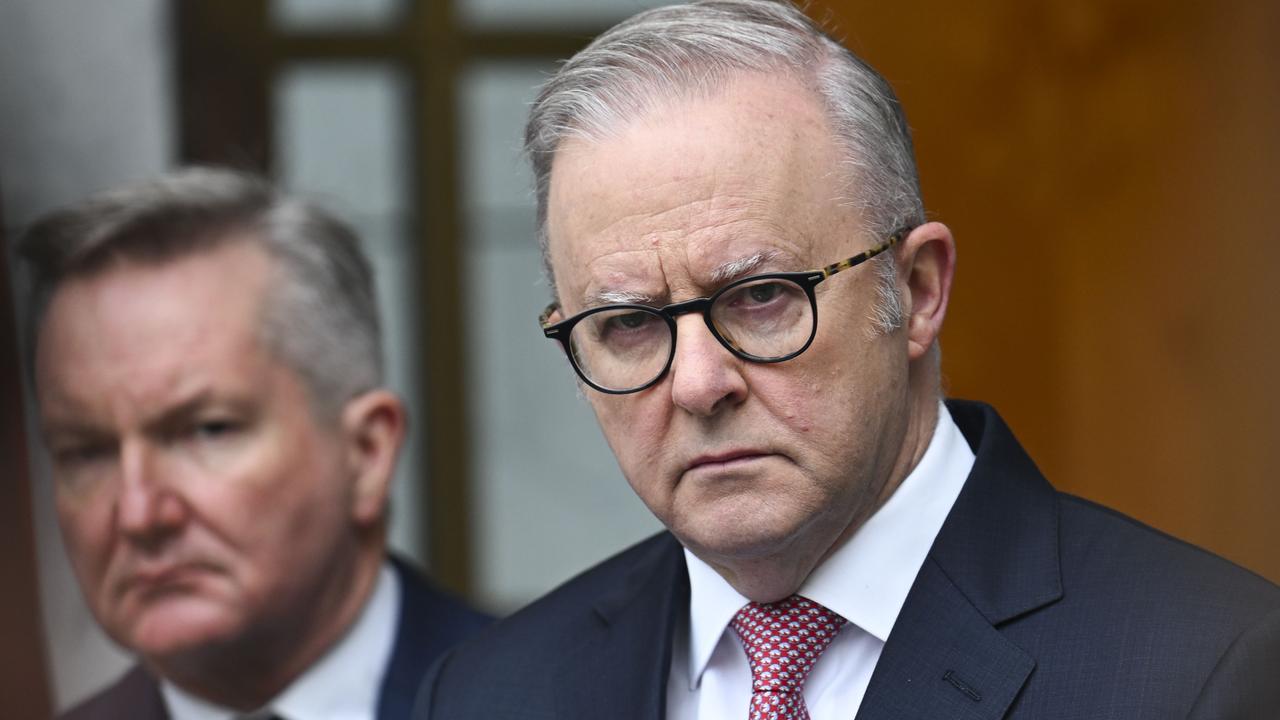


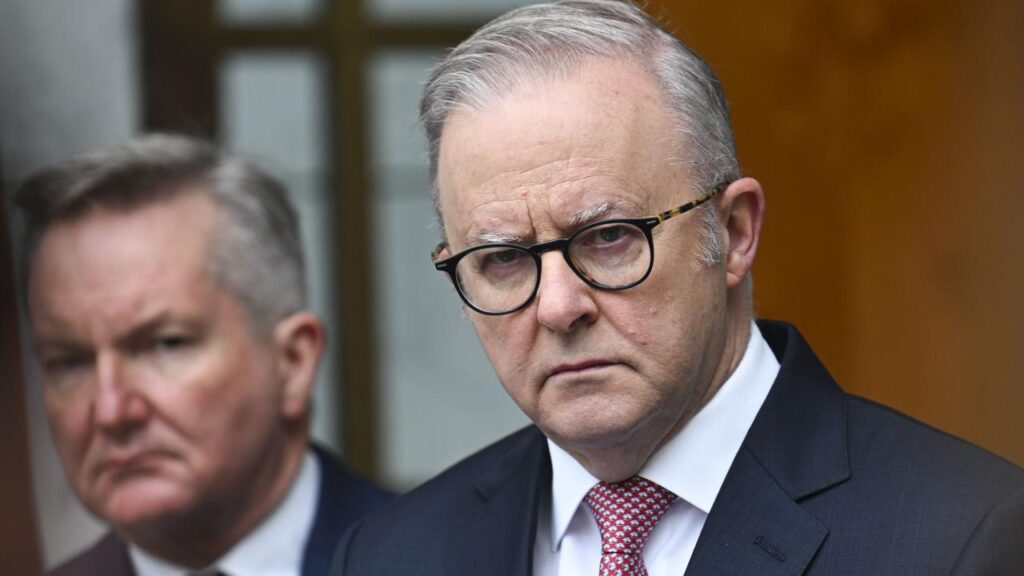
The Prime Minister of Australia, Anthony Albanese, convened with state and territory leaders in Hobart for an urgent national cabinet meeting on Thursday. This meeting follows the intensifying conflict between the United States, Israel, and Iran, which has significantly disrupted global fuel markets. The Prime Minister is reportedly close to finalizing a support package for Australia’s last two oil refineries located in Victoria and Queensland.
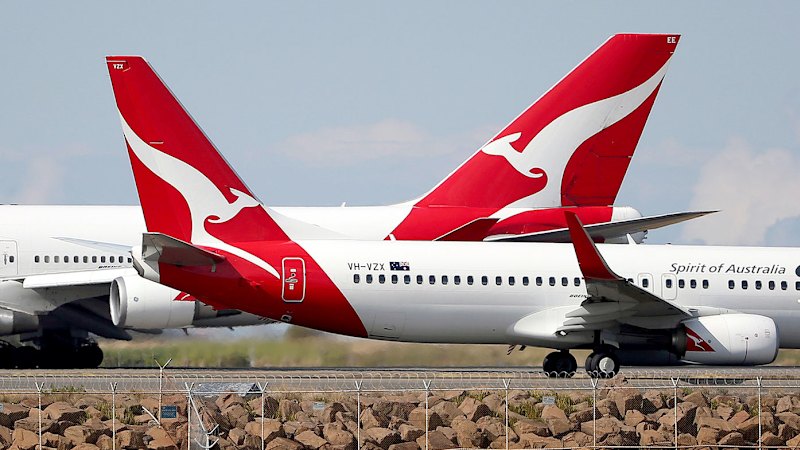
Amid growing pressure over his management of the fuel crisis, Albanese announced the appointment of Anthea Harris, former CEO of the Australian Energy Regulator, as the taskforce coordinator. This decision comes more than three weeks after the conflict erupted, causing fuel shortages and price hikes across Australia, despite government assurances that all scheduled fuel shipments had arrived.
Impact of the Middle East Conflict on Fuel Supply
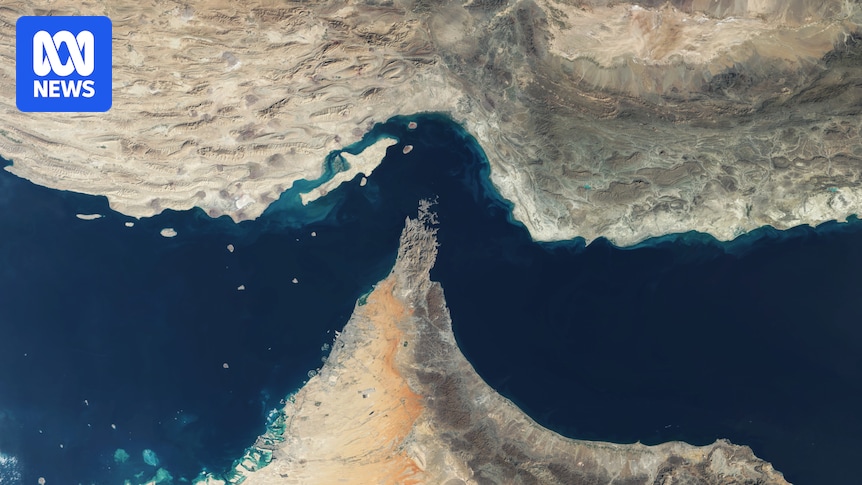
The conflict’s escalation was marked by Israel’s attack on Iran’s South Pars gas field, the world’s largest single source of LNG, prompting retaliatory strikes by Iran on a Qatari-operated gas field. These developments have sent shockwaves through the global energy markets, exacerbating concerns about fuel availability in Australia.
Addressing the media, Albanese emphasized Harris’s extensive experience, stating, “I cannot think of anyone better with more experience, more knowledge as well as that experience in a state government to be able to co-ordinate these efforts.” The taskforce will operate within the Department of Prime Minister and Cabinet, facilitating coordination between the federal and state governments, and providing regular updates on the fuel supply outlook.
Government and Opposition Responses
In a joint statement, Australian premiers and chief ministers agreed that while there is currently no overall fuel shortage, the nation must be prepared for all scenarios. The leaders were briefed by the Office of National Intelligence and ASIO Director-General Mike Burgess on the evolving situation.
Opposition Leader Angus Taylor expressed conditional support for the taskforce, stating, “The Prime Minister should step in. I’ve been saying that for days because the minister’s not doing his job. But, the minister should have done his job and he’s failed Australians and this is the consequence.”
Addressing Public Concerns and Market Dynamics
Albanese reiterated his call for Australians to purchase only the fuel they need, warning of the conflict’s potential long-term impacts on the global supply chain and economy. “There is not less fuel in Australia today than there was three weeks ago,” he assured, attributing shortages to increased demand rather than supply issues.
The Prime Minister expressed deep concern over the attacks on civilian and energy infrastructure, cautioning that Iran’s strike on Qatar could affect future supply. “I am hopeful you can see an endpoint of the conflict,” he said, highlighting the strategic objectives achieved in the region.
“Every single ship that was due to land here has landed here. There is not less supply. This is an issue, has been an issue, of increased demand.”
Regulatory and Economic Implications
The Australian Competition and Consumer Commission (ACCC) announced an enforcement investigation into allegations of anti-competitive conduct by major fuel suppliers, including Ampol, BP Australia, Mobil Oil Australia, and Viva Energy Australia. This follows Treasurer Jim Chalmers’ statement that the Iran conflict would be a “defining influence” on the upcoming May budget.
The ACCC’s probe into fuel prices and potential cartel behavior underscores the broader economic implications of the conflict. The watchdog has indicated plans to increase fines for price gouging and anti-competitive practices.
As the situation unfolds, the Australian government remains focused on ensuring fuel security and stability, with the newly appointed taskforce playing a pivotal role in coordinating efforts across jurisdictions.