



As 2025 draws to a close, investors are reflecting on a year marked by volatility and unexpected gains in certain sectors. Despite the looming threats from former US President Donald Trump’s trade policies, the Australian Securities Exchange (ASX) ended the year on a high note, driven largely by surges in gold and lithium stocks.
Investors who placed their bets on mining stocks at the beginning of the year reaped significant rewards. Companies like Liontown Resources, which reported a $193 million loss last financial year, saw their stock values soar. This battery minerals company, with mining magnate Gina Rinehart as a major shareholder, secured lucrative lithium supply deals with giants like Tesla, Ford, and LG. A $50 million investment from the Australian government further bolstered its position, resulting in a 180% rise in its share price since January.
Gold and Lithium: The Unexpected Champions
The rally in lithium stocks was fueled by a rebound in lithium prices and the anticipated demand for electric vehicles, particularly in China. Competitors such as Core Lithium, Pilbara Minerals (PLS), and IGO also experienced substantial gains, with their shares rising by 220%, 89%, and 65% respectively.
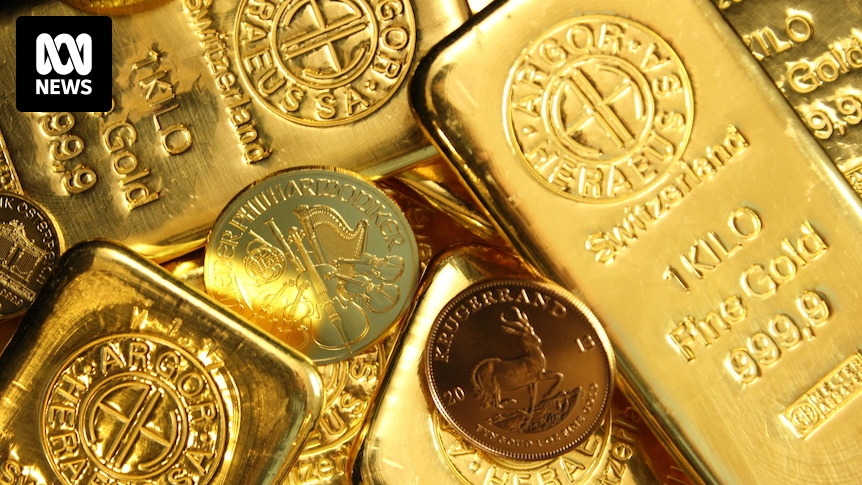
Gold stocks, too, emerged as standout performers. Companies like Regis Resources, Genesis Minerals, and Evolution Mining saw their share values triple, buoyed by record-high gold prices, which peaked at $US4,532 an ounce last week. According to Gemma Dale, nabTrade’s head of investor behavior, central banks’ shift from the US dollar to gold has been a significant driver of these price increases.
“What’s driving the price higher in the last two years is mainly central banks buying gold as they move away from the US dollar and US dollar assets like Treasury bonds,” said Dale.
Market Volatility Amid Trade Tensions
The year was not without its challenges. Trump’s unpredictable tariff policies led to significant market fluctuations, with the ASX experiencing both highs and lows. The “TACO” trade, an acronym for “Trump always chickens out,” became a popular strategy among traders, banking on the belief that markets would recover after initial shocks from Trump’s announcements.
Jun Bei Liu, Ten Cap’s lead portfolio manager, described 2025 as a year of “volatility” and “stress,” largely due to Trump’s open tariff negotiations. Despite these challenges, the ASX 200 and the All Ordinaries index posted gains of 10% and 7% respectively, with those timing their investments well seeing returns as high as 24%.
Comparative Performance and Future Outlook
While the ASX performed well, it lagged behind international markets like the S&P 500, Japan’s Nikkei, and South Korea’s KOSPI, which saw gains of 18%, 28%, and 76% respectively. Australia’s smaller technology sector, comprising just 3% of the market, missed out on the AI investment boom that propelled US tech giants to new heights.
Looking ahead, analysts like Liu are optimistic about the continued strength of resource stocks, particularly in copper and gold. The potential for a rebound in oversold tech stocks and stable oil prices could also benefit airlines.
“I think the share market will do OK next year and should deliver a return between 8 and 10 per cent. That’s pretty much an average year,” Liu predicted.
Concluding Thoughts
As the world braces for 2026, the market dynamics appear to be shifting. Dale suggests that Trump’s influence may wane, with markets becoming less reactive to his announcements. This could lead to a more stable investment environment, though uncertainties around US-China tariffs remain.
“The markets don’t believe him anymore,” Dale remarked. “They believe that everything he does is a negotiating tactic, so it’s no longer credible.”
With the major sectors expected to hold steady, 2026 might be a year of moderate growth, providing a respite from the tumultuous ride of 2025.