



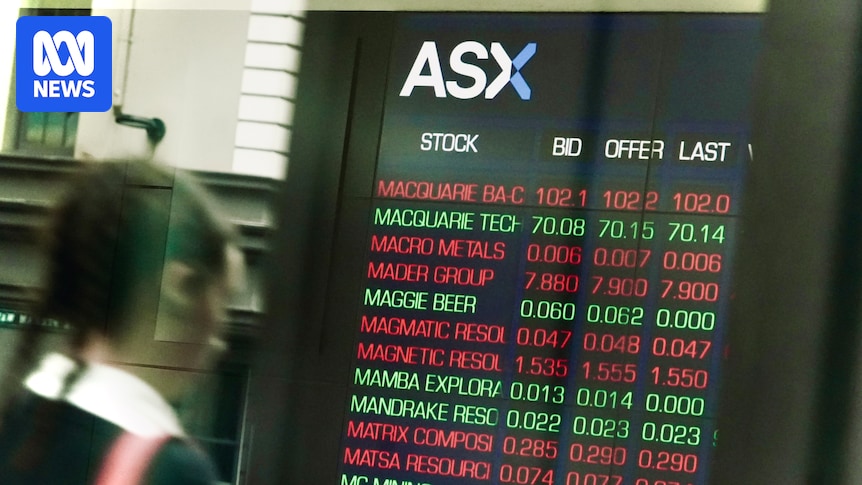
If history is any guide, Helen Lofthouse may well have picked the perfect moment to execute her exit strategy from the Australian Securities Exchange (ASX). Her departure comes as the ASX prepares to launch the first stage of its new automated technology for settling share trades in April. This transition marks the culmination of a decade-long struggle plagued by technology failures, management upheavals, and significant financial losses.
The announcement of Lofthouse’s resignation was overshadowed by another controversy. On Tuesday night, CSL, a major Australian biotech company, unexpectedly announced the departure of its CEO, Paul McKenzie. The timing of the announcement, intended to allow investors time to digest the news, coincided with an extension of trading hours unknown to most, leading to a sharp drop in CSL shares.
The ASX’s Troubled History
The ASX was once a global pioneer in the financial markets. In the 1980s, it transformed from a collection of state-based exchanges into a unified national market. By the late 1990s, it had demutualized and listed on its own exchange, setting a model followed worldwide. However, recent years have seen the ASX embroiled in a series of investigations and regulatory challenges.
The first signs of trouble emerged a decade ago when the ASX’s outdated settlement systems struggled to cope with increasing trade volumes and complexity. In 2015, the exchange sought a replacement for its ageing CHESS system and opted for blockchain technology, a decision that initially garnered global attention.
“The independent report has found significant gaps and deficiencies in ASX’s program delivery capabilities and that there are significant challenges in the technology design,” said Joe Longo, Chairman of ASIC.
Regulatory Scrutiny and Technological Setbacks
The ambitious blockchain project quickly turned problematic. The timeline was overly optimistic, and there was insufficient coordination with service providers. Internal conflicts and concerns from stakeholders about business impacts compounded the issues. By the time the fifth delay was announced, the project was deemed unviable, resulting in a $250 million write-off.
Regulators, including the Australian Securities and Investments Commission (ASIC) and the Reserve Bank of Australia (RBA), expressed their dissatisfaction. An independent review by Accenture highlighted significant deficiencies, prompting ASIC to launch a comprehensive investigation into ASX’s capabilities.
Despite attempts to salvage parts of the blockchain initiative, the ASX’s existing systems continued to falter, leading to repeated outages and operational disruptions. A notable incident occurred in December 2024, causing widespread trading issues and regulatory backlash.
Market Confidence and Future Prospects
Last June, ASIC initiated a sweeping investigation into the ASX, citing “ongoing concerns over ASX’s ability to maintain stable, secure and resilient critical market infrastructure.” This inquiry followed a series of operational failures and market disruptions.
Further controversy arose when the ASX mistakenly linked TPG Telecom to a foreign private equity group’s takeover, causing a significant drop in TPG’s market value. The error, compounded by delays in rectification, led to renewed calls for market competition.
“We went after the ASX twice last year, and you know what? It’s probably going to happen again this year,” remarked Joe Longo, reflecting the regulator’s frustration.
In response, ASIC is considering approving a rival exchange to challenge ASX’s monopoly, with discussions involving CBOE Australia, a subsidiary of the Chicago-based trading giant. This move aims to enhance market efficiency amid growing global competition.
Looking Ahead
Helen Lofthouse’s resignation leaves the ASX at a critical juncture. Her successor, yet to be named, will inherit the daunting task of restoring confidence in the exchange’s operations and reputation. With new technologies on the horizon and regulatory pressures mounting, the future of the ASX remains uncertain.
As the ASX navigates these challenges, stakeholders and investors will closely watch its next steps, hoping for a return to its pioneering roots and a resolution to its ongoing controversies.