


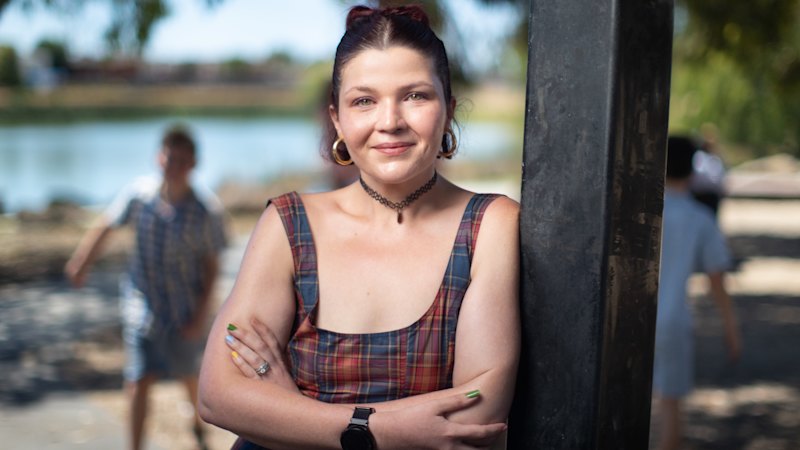
February 6, 2026 — In the age of social media and the resurgence of “ultra-thin” ideals, new mothers are facing unprecedented pressures to conform to unrealistic body standards. Jessica Seitz, a 33-year-old mother, reflects on her experiences with body image issues that have persisted since her youth in the late 1990s. “I grew up my whole life with weight issues. You won’t find very many Millennials that didn’t at least have bad body image,” she explains.
Seitz’s concerns about body image did not vanish with motherhood. Instead, they evolved, influenced by a culture that once saw celebrities like Victoria Beckham publicly scrutinized for their postpartum bodies. Today, this has transformed into a digital age of “bounce back culture,” where social media platforms are inundated with idealized postpartum transformations and heavily edited images.
The Rise of Weight Loss Drugs
In recent years, the popularity of weight loss drugs, particularly GLP-1 receptor agonists like Ozempic, has surged. These medications, initially intended for managing type 2 diabetes and obesity, are increasingly sought after for rapid weight loss, despite potential risks. “At the moment, thinness, Ozempic, all of those things have become trendy. It’s very reminiscent of the Y2K, ’90s Kate Moss attitude,” Seitz notes.
While official data on the prescription of these drugs to new mothers is lacking, anecdotal evidence from social media suggests a growing trend of postpartum transformations facilitated by such medications. Celebrities like Meghan Trainor and Serena Williams have publicly discussed their use of these drugs to shed post-pregnancy weight.
“The Therapeutic Goods Administration warns against using GLP-1s during pregnancy and while breastfeeding.”
Body Image Pressures and Their Origins
A recent review by Flinders University found that three in four new mothers struggle with body image issues. This aligns with longstanding research indicating that pregnancy and menopause are high-risk periods for developing eating disorders and body dissatisfaction. Despite the significant physiological and psychological changes that accompany childbirth, societal expectations often demand that mothers “bounce back” within months.
Dr. Karen Spielman, chair of psychological medicine at the Royal Australian College of General Practitioners, acknowledges an increase in young mothers expressing body dissatisfaction, although there is no marked rise in postpartum requests for weight loss drugs. She emphasizes the role of partners and social networks in fostering a positive body image.
“Supportive partners and strong social networks helped with positive body image, while unrealistic media portrayals, appearance-focused comments, and even well-meaning advice could do harm,” according to the Flinders review.
The Role of Social Media
Social media has amplified the pressure on new mothers to adhere to a narrow standard of beauty. Courtney Stubbs, a 28-year-old mother, shares her struggles with perinatal depression and body changes. “The experience of being pregnant the first time was wild mentally for me,” she says. “I’ve always had control of how my body looked, and to then be growing bigger and bigger was really hard.”
Stubbs, who has a significant social media following, felt compelled to conform to these ideals, driven by the visibility her platform provided. “I was easily influenced by diet culture and always encouraged, if not pushed, to lose more weight,” she recounts.
A 2022 analysis of Instagram found women in smaller bodies were more likely to share images of themselves postpartum than those in larger bodies.
Moving Forward: Supporting New Mothers
Experts suggest that new mothers should seek support from healthcare professionals and cultivate strong social networks to combat isolation and unrealistic expectations. Dr. Spielman advises mothers to connect with their GPs and join supportive mothers’ groups to share experiences and normalize postpartum changes.
Furthermore, Madeleine Rhodes, lead author of the Flinders review, encourages mindfulness in language used around pregnant individuals, as appearance-related commentary can exacerbate body image issues.
For Seitz, sharing her postpartum journey on social media has fostered a supportive community that has positively impacted her self-image. “I have such a lovely community,” she says, “and it’s really helped me feel more confident in my body.”
If you or anyone you know needs support, contact the Butterfly National Helpline at 1800 33 4673, Lifeline at 131 114, Beyond Blue at 1300 224 636, or PANDA between 9am and 7.30pm at 1300 726 306.