


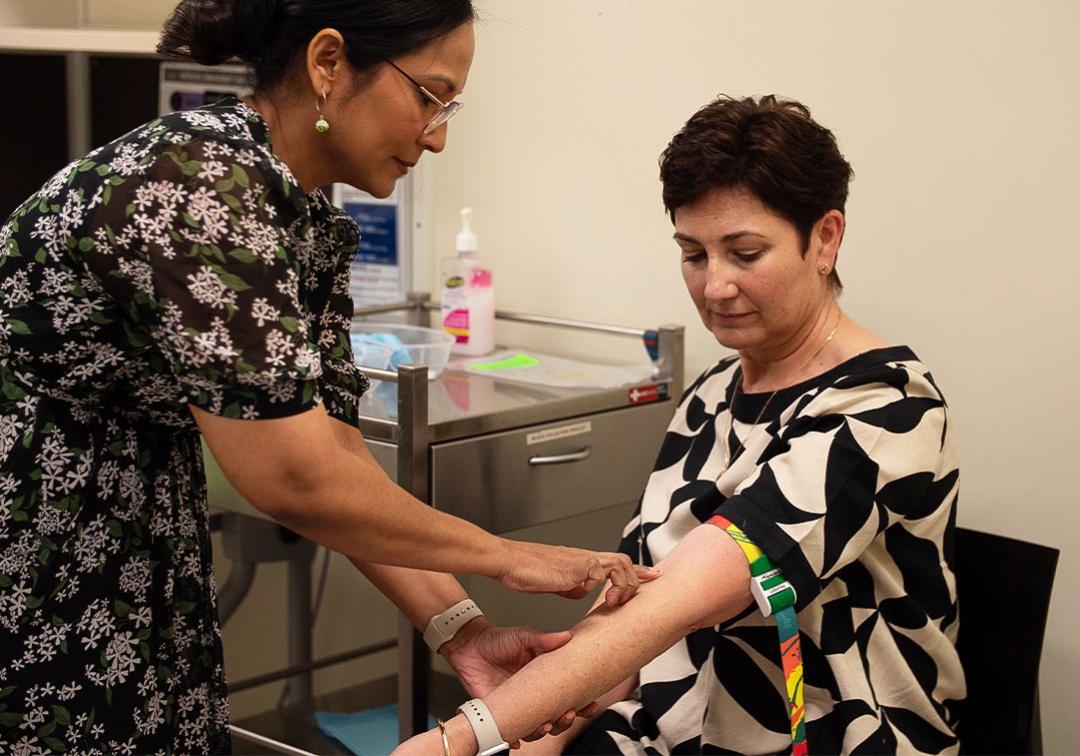


In Stockholm, Anne Christenson, a physiotherapist at the Centre for Obesity, is acutely aware of the prejudices that permeate healthcare. Her patients frequently share stories of being denied care due to their obesity. “Some of it is just awful,” she says, recounting instances where patients seeking treatment for unrelated issues, such as knee pain, are advised to lose weight instead of receiving proper medical attention. One doctor even suggested a patient drink only water for four weeks to shed pounds.
This troubling trend is not isolated. The Swedish healthcare system’s treatment of obese patients is under scrutiny, with the patient organization for obesity attempting to quantify the issue through annual surveys. Their 2025 Treatment Experience Report, which gathered responses from nearly 1,300 individuals, reveals a recurring pattern of prejudice and lack of understanding from healthcare professionals. Many patients report being told they weigh too much, yet these comments rarely lead to offers of obesity treatment.
Understanding Obesity: A Complex Condition
Obesity, characterized by energy intake exceeding energy expenditure, is a complex and heterogeneous disease affecting approximately 1.4 million adults in Sweden. Genetics play a significant role, with heredity accounting for 40 to 70 percent of the risk. Patients often describe an overwhelming hunger and a constant preoccupation with food.
Anne Christenson highlights studies showing differences in eating behaviors from infancy, with some children exhibiting a greater appetite than others. Obesity is more prevalent in socio-economically disadvantaged groups, where resources for healthy living are limited. Additionally, psychiatric medications, stress, and sleep deprivation are known risk factors.
The Role of Combined Lifestyle Treatment
Liisa Tolvanen, a specialist dietitian, offers combined lifestyle treatment at the Centre for Obesity. This approach includes personalized advice on eating habits and physical activity. “When I sit down with a patient, I try to find out what challenges that particular person is facing,” she explains. Emotional eating, often driven by intense hunger, is a common issue.
The National Board of Health and Welfare recommends combined lifestyle treatment as the foundation of obesity care, focusing on dietary habits, physical activity, and psychosocial support. However, the impact on weight is often limited, with average weight loss ranging from 0 to 5 percent.
Medical Interventions: Surgery and Medication
In contrast, surgical interventions can result in a 30 percent reduction in body weight within a year. New appetite-regulating drugs, such as GLP-1 analogues, mimic hormones that create a feeling of satiety, offering an average weight loss of 20 percent. These medications and surgeries alter the body’s hormonal responses to food, reducing appetite significantly.
“When you change the hormone profile, you no longer have the same craving for food,” explains Daniel Andersson, a researcher at Karolinska Institutet.
Despite their effectiveness, these treatments are not without challenges. Maintaining weight loss without ongoing support is difficult due to the body’s “weight memory,” which increases hunger after weight loss. Large fat cells, associated with metabolic complications, further complicate the risk of secondary diseases.
Reducing Health Risks
Weight loss can significantly reduce the risk of secondary diseases. After obesity surgery, many patients no longer require medication for high blood pressure or type 2 diabetes. The risk of cardiovascular events also decreases. Similarly, medications have shown positive effects on health parameters, particularly for type 2 diabetes and cardiovascular diseases.
New drugs are expected to enter the market, offering tablet forms and potentially fewer side effects. However, the appetite-suppressing effect ceases if medication is discontinued, emphasizing the importance of lifestyle changes.
Global Demand and Future Directions
The demand for appetite suppressants is surging, with Mounjaro and Wegovy leading sales in Sweden. The National Board of Health and Welfare reports nearly 170,000 Swedes using obesity medications in 2025. Globally, the World Health Organization highlights the role of GLP-1 analogues in addressing obesity, which affects one billion people worldwide.
“We do not know which patients are receiving them, how long they are taking them, why some stop, or who is prescribing them,” says Ylva Trolle Lagerros, emphasizing the need for a quality register.
Private online clinics are increasingly focused on obesity treatment, offering medications that are expensive and require long-term use. However, discontinuation of medication should be well-planned, with lifestyle support playing a crucial role in maintaining a stable weight.
Ylva Trolle Lagerros underscores the importance of lifestyle changes, noting that while medication can aid weight loss, sustainable habits are essential for long-term success. “When life changes, good habits can be disrupted,” she says, highlighting the need for ongoing support during life’s transitions.
As the landscape of obesity treatment evolves, a holistic approach that combines medical interventions with lifestyle changes appears to be the key to addressing this complex condition effectively.