



The first half of 2026 is set to be a remarkable period for literature enthusiasts, with a diverse array of anticipated books hitting the shelves. From ghost stories rooted in First Nations culture to memoirs exploring personal and historical narratives, these upcoming releases promise to captivate readers with their unique perspectives and storytelling prowess.
Exploring Memory and Identity
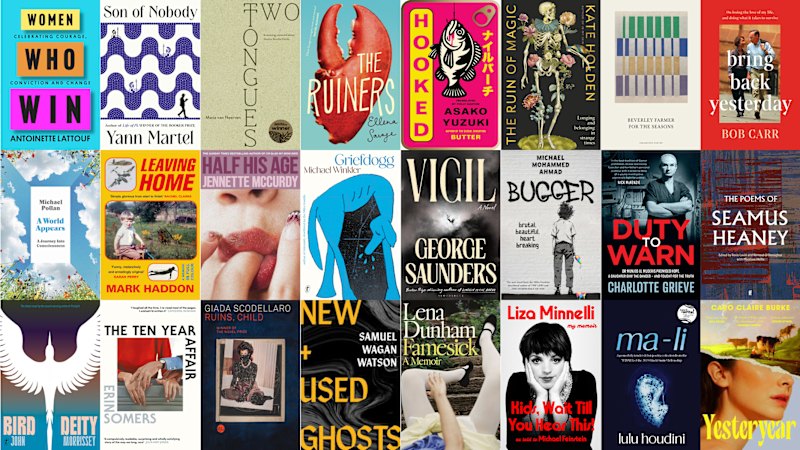
New + Used Ghosts by Samuel Wagan Watson, arriving on June 2, marks the poet’s first foray into fiction. This collection of ghost stories and prose poems draws deeply from First Nations storytelling traditions. Watson, a Birra-Gubba and Mununjali poet, uses spirits as a metaphor for memory and resistance against the erasure of land and language under colonial pressures. This work promises to be a profound exploration of culture and identity.
On the same day, Whistler by Ann Patchett offers a compelling narrative about chosen family and emotional repair. Set against the backdrop of the Metropolitan Museum, the novel explores the overlapping of past and present when Daphne encounters her former stepfather. Patchett, known for her bestsellers like The Dutch House, brings her narrative skill to themes of intimacy and reconciliation.
Memoirs and Personal Narratives
January 27 will see the release of Stolen Man on Stolen Land by Tyree Barnette, a memoir offering a fresh perspective on race relations in Australia. Barnette, a member of the Sweatshop Literacy Movement, reflects on the intersection of Black American culture and Indigenous dispossession. His insights are particularly relevant in the context of ongoing discussions about race and identity.
On the same day, investigative journalist Charlotte Grieve presents Duty to Warn, a gripping account of a defamation trial involving a high-profile surgeon. Grieve’s work delves into the complexities of medical risk and legal intimidation, highlighting the challenges of holding powerful institutions accountable.
Historical and Cultural Reflections
February 1 will feature The First Albanese Government, edited by Michelle Grattan, John Halligan, and John Hawkins. This collection provides a comprehensive analysis of the Albanese government’s first term, tracking its journey from a narrow election victory to a majority in 2025. With insights from top political minds, the book offers a critical look at the triumphs and challenges of this political era.
Another notable release on February 17 is Don’t Burn Anyone at the Stake Today by Naomi Alderman. The author of The Power steps away from fiction to explore the impact of information overload in the digital age. Alderman frames the internet as a historical upheaval, examining why it often leads to fear and distortion.
Personal and Philosophical Explorations
March 3 will see the release of A World Appears by Michael Pollan, an exploration of consciousness and subjective experience. Pollan, known for his works on food and mind, navigates the intersections of science, philosophy, and culture, prompting readers to ponder the nature of existence.
On March 31, Look After Your Feet by Rosalie Ham offers a candid look at ageing. The author of The Dressmaker turns to non-fiction, applying her sharp observational skills to the slow negotiations of getting older. Ham’s work promises to resonate with readers navigating similar life transitions.
Implications and Future Outlook
The first half of 2026 is poised to be a vibrant period for literature, with books that not only entertain but also provoke thought and reflection. These works, spanning genres and themes, highlight the power of storytelling to address complex issues of identity, history, and personal growth.
As readers anticipate these releases, the literary landscape continues to evolve, offering fresh voices and perspectives that challenge and inspire. The diverse narratives set to emerge in 2026 underscore the enduring relevance of literature in understanding and navigating the world around us.