


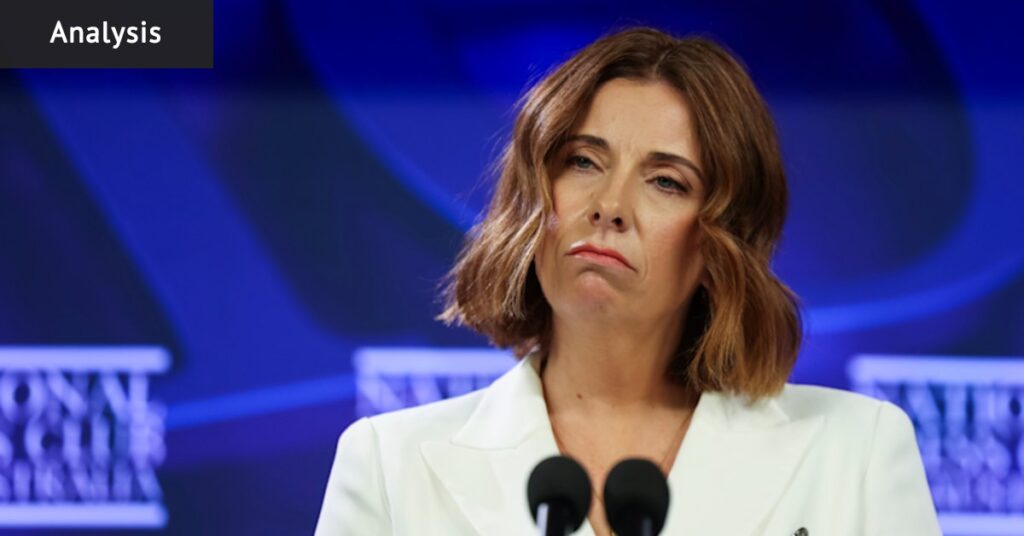
In Canberra, the most perilous political scandals are often not the intricate ones requiring complex explanations. Instead, they are the straightforward issues that voters can easily discuss in everyday settings, such as supermarket queues. The latest example involves Anika Wells, whose nearly $100,000 trip to New York has ignited a firestorm of criticism and raised questions about government excess.
The controversy centers on Wells, the Australian Minister for Communications, and her recent travel to the United Nations General Assembly. The trip, which included three return tickets to Manhattan for Wells, a deputy chief of staff, and an online safety bureaucrat, cost taxpayers a staggering $94,828. The timing of the trip has only added fuel to the fire, as it coincided with a significant telecommunications issue at home involving Optus customers struggling to reach emergency services.
Political Fallout and Public Perception
This development follows a pattern of political missteps that have historically captured public attention. Similar scandals, such as Peter Reith’s phone card misuse and Bronwyn Bishop’s infamous helicopter ride, have demonstrated that voters are quick to react to perceived extravagance by public officials. Wells’ situation is no different, as her travel expenses have become a focal point for criticism across media platforms.
Wells attempted to address the issue during a National Press Club address, emphasizing the transparency of her government’s actions. However, her responses did little to quell public discontent.
“The reason you know all those things is because we’re transparent about them, and we will disclose them,” Wells stated, defending her $34,427 return flight to the US.
Yet, her justification that the trip was delayed due to the Optus crisis, potentially inflating costs, failed to resonate with critics.
Implications for Wells and the Government
The trip was intended to promote Australia’s pioneering social media ban to global leaders, a significant policy initiative for Wells. However, the focus has shifted to her travel expenses, overshadowing the intended diplomatic mission. The opposition has seized the opportunity to criticize the government, arguing that the funds spent on the trip could have been better allocated.
According to political analysts, Wells’ handling of the situation has left her vulnerable to further scrutiny. Her attempt to deflect criticism by labeling herself as a “new minister” has backfired, highlighting her inexperience rather than garnering sympathy.
The Coalition has been quick to point out that the cost of the flights could fund a small mortgage deposit, a comparison that resonates with the public.
Historical Context and Future Challenges
This incident is reminiscent of past political scandals that have left lasting impressions on the public narrative. The simplicity of the issue—a travel bill—makes it particularly potent in shaping perceptions of government excess. Wells now faces the dual challenge of managing the fallout from this controversy while continuing to advocate for her policy initiatives.
The government insists that the UN trip successfully highlighted Australia’s online safety laws on the global stage. However, the domestic backlash underscores the delicate balance politicians must maintain between international diplomacy and fiscal responsibility.
As Wells navigates the aftermath of this scandal, she must also address ongoing issues within her telecommunications portfolio. The complexity of these challenges is compounded by the public’s scrutiny of her spending, creating a precarious situation for the minister.
The move represents a critical juncture for Wells and the government, as they work to restore public confidence and demonstrate accountability. The outcome of this situation will likely influence future discussions on political expenses and transparency in government operations.
In conclusion, Anika Wells’ travel expenses have become a symbol of broader concerns about government spending, illustrating the impact of seemingly straightforward issues on public perception. As the story unfolds, it serves as a reminder of the importance of transparency and fiscal prudence in maintaining public trust.