

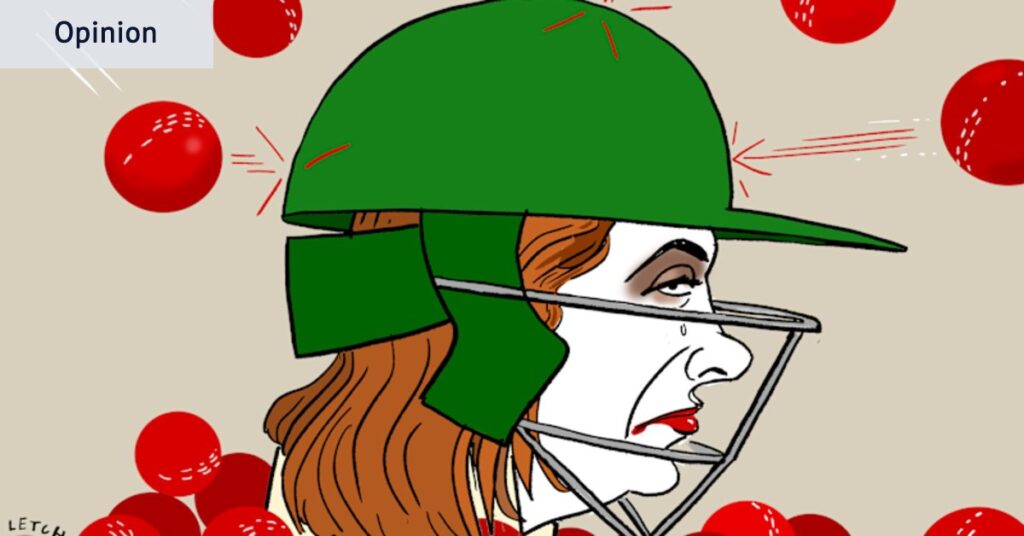
Can Anika Wells ever set foot inside a sports stadium again? Australians have a long-standing tradition of booing politicians at sporting events. John Howard faced regular heckling, and every prime minister since has experienced similar receptions. Now, with Wells, the federal sports minister, embroiled in an expenses scandal, her presence at major sporting events seems increasingly untenable.
Wells’ situation is compounded by the broader political landscape. Prime Minister Anthony Albanese has cultivated an image of predictability and stability over the past three and a half years. However, the expenses scandal involving Wells and other MPs has disrupted this narrative, revealing a disconnect between political actions and public expectations.
The Expenses Scandal Unveiled
The controversy erupted when it was revealed that Wells had charged taxpayers for expenses exceeding the minimum wage, with Comcar services waiting for her during high-profile sports events. Although these expenses were within the rules, the public outcry highlights a broader issue: the rules themselves may be too lenient.
In response, Wells requested an audit of her expenses by the Independent Parliamentary Expenses Authority (IPEA). While she is likely to be cleared, the scrutiny has raised questions about the adequacy of current regulations governing political entitlements.
Historical Context and Political Implications
The current scandal echoes past controversies, such as the 2015 “choppergate” involving Bronwyn Bishop, which led to increased scrutiny of political expenses. The rules governing these entitlements were established by the Independent Parliamentary Expenses Authority Act 2017 and the Parliamentary Business Resources Act 2017, following the resignation of then-health minister Sussan Ley over similar issues.
Despite these regulations, the Wells saga suggests that further reforms are necessary. The repeated claims by Albanese and Wells that they do not set the rules are seen by many as a diversion from the core issue: the need for more stringent oversight and transparency.
Public Expectations and Political Accountability
This scandal is not about gender, as demonstrated by past criticisms of male politicians like Tony Burke, who faced backlash for his own expense claims. Rather, it is about aligning political actions with public expectations. Burke eventually repaid the money, acknowledging the importance of meeting community standards.
Wells, however, has not followed this precedent. Her use of family reunion entitlements, particularly her husband’s trips to sporting events, has drawn significant criticism. These one-day trips, often to corporate boxes, have been perceived as an abuse of taxpayer funds.
Future Prospects and Political Reform
Despite the scandal, Wells remains a prominent figure in politics, with potential for future leadership roles. However, her current position as sports minister is increasingly untenable. Stripping her of this portfolio could serve as a necessary consequence, allowing her to focus on her communications role, which does not require attendance at sporting events.
The broader issue of political accountability remains. Albanese, who has emphasized restoring trust in politics, has an opportunity to initiate reform. A review of the legislation governing political expenses could lead to meaningful changes, reinforcing public confidence in the political system.
Ultimately, the Wells scandal underscores the need for a reassessment of political entitlements. While politicians face demanding roles and deserve support, the spirit of the rules must align with public expectations. As the political landscape evolves, so too must the standards of accountability and transparency.