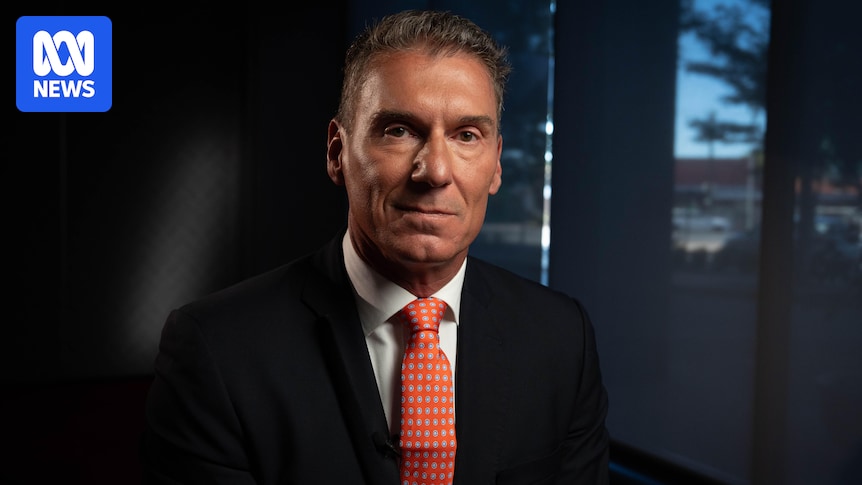


In a dramatic turn of events, Angus Taylor has formally announced his candidacy for the leadership of Australia’s Liberal Party. This announcement, made via a video posted on social media, comes amid growing dissatisfaction within the party ranks and a series of high-profile resignations from the frontbench.
Taylor, who previously served as the shadow treasurer, has criticized the current state of the Liberal Party, stating that it has “lost its way” and that the country is in “trouble.” He promises to “restore” the party and provide Australians with “clarity, courage, and confidence.”
“I believe we need strong decisive leadership that gives Australians clarity, courage, and confidence in providing a vision for Australia,” Taylor declared in his video message. “I’m dedicated to serving you, the Australian people, and giving you a strong alternative that re-livens the great Australian dream.”
Leadership Challenge and Political Maneuvering
The leadership challenge comes as Sussan Ley, the current leader of the opposition, faces mounting pressure from within her party. Earlier today, conservative allies of Taylor submitted a spill motion to Ley’s office, requesting a special party room meeting to address the leadership issue. Ley is expected to decide on the timing of this meeting, likely to occur today or tomorrow.
The announcement has already led to a wave of resignations from the frontbench, including notable figures such as Jonathon Duniam, James Paterson, and Claire Chandler. These developments highlight the growing divisions within the party and the urgency for a resolution.
Reactions from Political Figures
Not everyone is supportive of Taylor’s leadership bid. Sarah Hanson-Young, a Greens senator from South Australia, has been vocal in her criticism, labeling the leadership challenge an “absolute disgrace” and questioning Taylor’s past performance in key ministerial roles.
“He failed as shadow treasurer. He led the economic policy at the last election for the Liberal party and got absolutely smashed,” Hanson-Young stated. “If this is the best the Liberal party has, this reaction from the community to mark down the Coalition across the board is going to keep happening.”
Meanwhile, Liberal frontbencher Andrew Bragg has expressed confidence in Ley’s ability to withstand the challenge, emphasizing the need for the party to focus on policy issues such as housing affordability and immigration.
Background and Context
This leadership challenge is the latest episode in a series of political upheavals within the Liberal Party. The party has been struggling to present a united front since the last federal election, where it suffered significant losses. The internal discord has been exacerbated by differing views on key policy issues and the party’s direction.
Historically, leadership spills have been a common occurrence in Australian politics, often leading to rapid changes in party leadership and shifts in policy direction. The Liberal Party, in particular, has experienced several leadership changes over the past decade, reflecting the volatile nature of its internal politics.
Implications for the Liberal Party and Australia
The outcome of this leadership challenge will have significant implications for the Liberal Party’s future and its ability to effectively oppose the current government. A successful bid by Taylor could lead to a shift in the party’s policy priorities and its approach to key issues facing Australia.
For the broader political landscape, this leadership contest underscores the challenges facing opposition parties in maintaining cohesion and presenting a viable alternative to the government. The Liberal Party’s ability to navigate this internal conflict will be crucial in determining its future electoral prospects.
Looking Ahead
As the party awaits Ley’s decision on the timing of the special meeting, all eyes will be on the unfolding political drama. The next 24 hours are expected to be critical in shaping the future leadership of the Liberal Party and its strategy moving forward.
The political landscape in Australia remains dynamic and unpredictable, with leadership challenges and party dynamics playing a pivotal role in shaping the country’s governance. Observers and stakeholders will be closely monitoring the situation as it develops.