


Ampol’s ambitious $1.1 billion acquisition of the EG Australia service station network has encountered a significant obstacle. The Australian Competition and Consumer Commission (ACCC) has withheld its approval, citing concerns over potential competition issues that warrant further investigation.
The deal, announced in August, involves Ampol acquiring over 500 service stations from EG Australia, as the British-owned company aims to exit the Australian market. However, the ACCC, responsible for overseeing acquisitions exceeding $200 million, has expressed apprehension that the merger could significantly reduce competition in the Australian petrol market.
ACCC’s Concerns Over Market Competition
According to ACCC Commissioner Philip Williams, the acquisition would merge two major fuel retailers in the country. He noted,
“We have identified 115 EG sites where the acquisition could substantially lessen competition in the relevant local market, and also consider that the acquisition could substantially lessen competition in the metropolitan areas of Brisbane, Canberra, Melbourne, and Sydney.”
While the ACCC has not yet reached a final decision, it has highlighted the need for a more comprehensive investigation into the potential competitive impacts of the deal. Ampol has proposed divesting 19 of the service stations it plans to acquire to mitigate these concerns, but the ACCC has indicated that this measure may not sufficiently address the competition issues.
Background and Strategic Implications
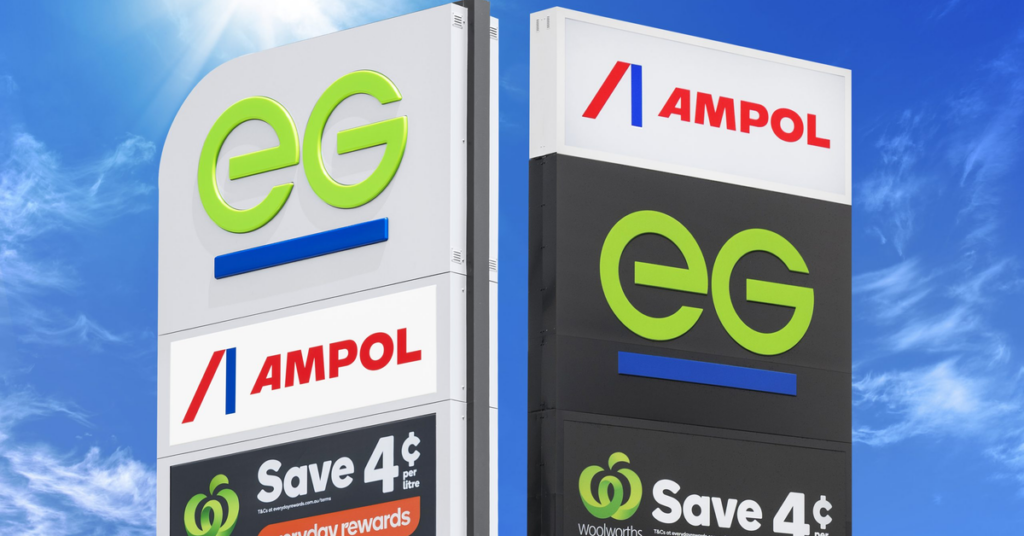
Ampol, with over 1800 branded service stations nationwide, sees the acquisition as a strategic fit, aligning with its existing fuel supply and brand license agreements. EG Australia service stations already display the Ampol logo and supply approximately 2.3 billion liters of fuel annually to the network.
The British EG Group entered the Australian market in 2019 by acquiring the Woolworths Petrol business and its 540 outlets for $1.73 billion. This acquisition was part of a broader strategy to expand its global footprint. However, changing market dynamics, including the rise of more efficient and electric vehicles and the increase in remote working, have led to a decline in fuel consumption, prompting EG Group to reconsider its position in the Australian market.
Industry Reactions and Future Outlook
Ampol’s chief executive, Matt Halliday, has defended the acquisition, stating that it “makes sense” for the company. However, industry analysts are divided on the potential impact of the merger. Some experts argue that consolidation could lead to higher prices for consumers, while others believe it could drive efficiencies that benefit the market.
The ACCC’s decision to further scrutinize the deal underscores the regulatory body’s commitment to maintaining competitive markets. As the investigation proceeds, Ampol and EG Australia will need to address the ACCC’s concerns to secure approval.
Next Steps and Potential Outcomes
The outcome of the ACCC’s investigation will significantly impact the future of Ampol’s expansion plans. If the deal is approved, Ampol could strengthen its position in the Australian fuel market. Conversely, a rejection or requirement for substantial divestments could alter the strategic landscape for both Ampol and EG Group.
As the situation develops, stakeholders across the industry will be closely monitoring the ACCC’s findings and any potential conditions imposed on the acquisition. The decision will likely set a precedent for future mergers and acquisitions within the sector.
The unfolding developments in this high-stakes acquisition highlight the complexities of navigating regulatory landscapes and the broader implications for market competition and consumer interests in Australia.