


The Amazon molly, a unique fish species that reproduces clonally, has long puzzled scientists with its ability to maintain a healthy genome without sexual reproduction. This mystery has now been unraveled by an international team of researchers led by Dr. Edward Ricemeyer, a computational biologist at LMU’s Faculty of Veterinary Medicine. Their findings, published in the journal Nature, reveal that the Amazon molly employs a genetic mechanism known as gene conversion to prevent the accumulation of harmful mutations.
This discovery challenges the conventional evolutionary theory that predicts genetic decay in species reproducing without sex. The Amazon molly, scientifically known as Poecilia formosa, has survived for thousands of generations, prompting researchers to investigate how it maintains genomic integrity.
Unveiling the Mystery of Gene Conversion
In sexually reproducing species, recombination during reproduction helps separate harmful mutations from beneficial ones, allowing natural selection to eliminate damaging variants. However, in clonal species like the Amazon molly, this mechanism is largely absent. Dr. Ricemeyer’s team used high-quality genome sequences from multiple individuals to search for mutation accumulation and evolutionary forces acting on the genome.
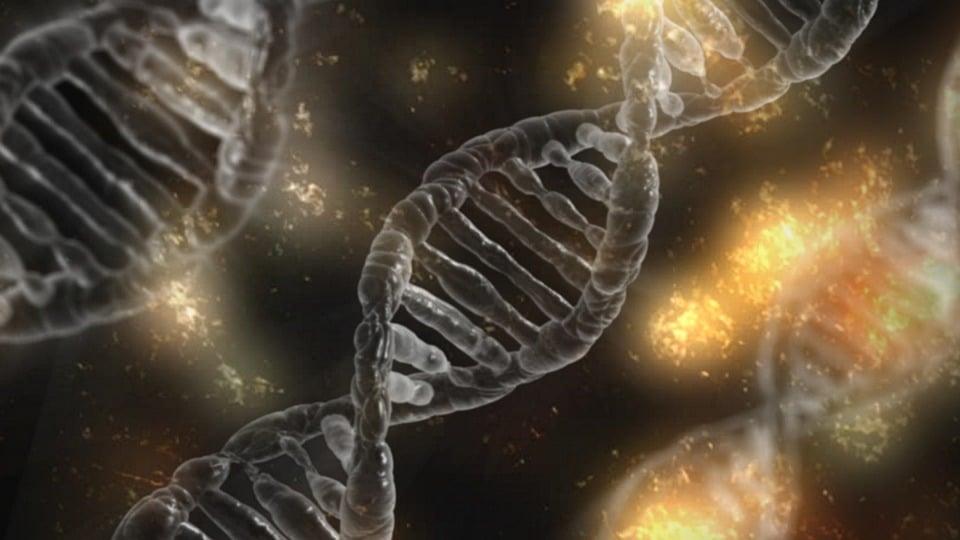
Contrary to expectations, the researchers found widespread evidence of gene conversion, a process where one DNA sequence is copied over another similar sequence. This mechanism can replace damaged gene versions with intact copies, effectively allowing natural selection to continue its work.
“Gene conversion can effectively overwrite harmful mutations with healthy copies of the same gene,” explains Ricemeyer. “That means natural selection can still remove damaging mutations, even in a lineage that reproduces clonally.”
A Genome Resembling Sexual Reproduction
The team’s analyses suggest that gene conversion allows beneficial variants to spread and harmful mutations to be purged from the population, maintaining overall genome integrity. “This was surprising because the standard expectation is that clonal genomes should gradually deteriorate,” says Ricemeyer. “Instead, we see evidence that this species has a mechanism that keeps the genome remarkably functional.”
The findings indicate that the Amazon molly retains some evolutionary benefits typically associated with sexual reproduction, despite its clonal nature. “This fish seems to have the best of both worlds — the genetic health that normally comes from sexual reproduction while not needing a male’s DNA to reproduce,” says senior author Professor Wesley Warren from the University of Missouri Graduate School.
Implications for Evolutionary Biology
Beyond explaining the Amazon molly’s long-term success, this research provides insights into a fundamental question in evolutionary biology: why asexually reproducing organisms, although relatively rare, are more widespread than previously thought. “Our results show that evolution may have more ways to maintain genome health than previously recognized,” says Ricemeyer. “Studying unusual systems like the Amazon molly helps us understand the basic forces shaping genomes across the tree of life.”
The study was a collaborative effort involving Dr. Nathan Schaefer from the University of California, San Francisco, with senior authors Professor Manfred Schartl from the University of Würzburg and Professor Wesley C. Warren from the University of Missouri, alongside collaborators from multiple institutions.
Looking Forward
The discovery of gene conversion in the Amazon molly opens new avenues for understanding genetic health in clonal species. It suggests that similar mechanisms might exist in other asexual organisms, offering a broader perspective on how life adapts and thrives in diverse reproductive contexts. As researchers continue to explore these genetic mechanisms, the Amazon molly stands as a testament to nature’s ingenuity in preserving life’s complexity and resilience.
This research not only deepens our understanding of clonal reproduction but also poses new questions about the evolutionary pathways available to asexual organisms, challenging long-held assumptions and expanding the horizons of genetic and evolutionary studies.