




ATCO Australia has announced the decommissioning of the Albany gas network, a decision driven by the prohibitive costs of necessary repairs. This move will affect approximately 8,000 businesses and homes that currently rely on liquefied petroleum gas (LPG) from the network, forcing them to transition to bottled gas over the next three years, beginning in the latter half of this year.
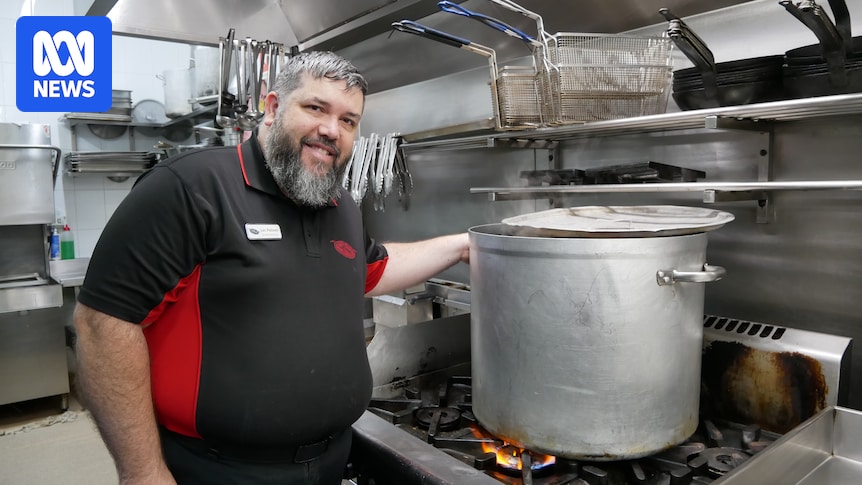
Les Palmer, owner of a steakhouse in Albany, located about 420 kilometers south of Perth, is among those impacted. His business depends heavily on gas-powered appliances. “My deep fryers, stove tops, ovens, and predominantly my char grills, which is my bread and butter,” he explained. Palmer is exploring alternatives, hoping to continue using gas. “Flames work beautifully,” he noted, though space constraints for bottled gas remain a concern.
Costly Repairs and Economic Implications
The Albany network, privatized in 2000 and acquired by ATCO in 2012, faces substantial upgrade costs. Russell Godsall, ATCO’s executive general manager for gas operations, revealed that nearly 90% of the aging 160-kilometer network requires replacement, with costs exceeding $80 million. “Spending that sort of money would really increase the bills for Albany customers by a substantial amount,” he stated.
City of Albany Mayor Greg Stocks criticized the lack of communication from ATCO, arguing that residents should have been informed sooner. “They would have known in 2011 the age of that infrastructure,” Stocks said, expressing disappointment over unanswered questions about the transition.
Financial Burden and Government Response
The transition raises concerns about who will bear the financial burden. Mayor Stocks plans to consult with Energy Minister Amber-Jade Sanderson regarding the transition costs. “Who is going to pay for the 8,000 residents of Albany, the 8,000 customers who are on that network?” he questioned.
Minister Sanderson assured that the government would support affected customers. “I am disappointed ATCO is decommissioning the network,” she said, emphasizing the government’s commitment to ensuring reliable and sustainable energy supplies during the transition.
Comparisons and Future Plans
Premier Roger Cook drew parallels with Esperance, where a similar network shutdown affected 400 homes and businesses. “It’s not surprising,” he remarked, noting the infeasibility of continued investment in outdated infrastructure. Cook reassured residents that there would be no immediate impact, and no urgent actions are required.
ATCO plans to collaborate with the LPG industry and the state government to develop a comprehensive decommissioning plan. “In Esperance, there was a lot of electrification, but there were also customers that went to LPG,” Godsall explained, suggesting that Albany might experience a smoother transition due to existing LPG usage.
“The challenge with the Albany network is there is about 8,000 customers, so spending that sort of money would really increase the bills for Albany customers by a substantial amount.” — Russell Godsall, ATCO Executive General Manager
Looking Ahead
The decommissioning of Albany’s gas network underscores the broader challenges of maintaining aging infrastructure in small communities. As residents and businesses prepare for the transition, the focus will remain on minimizing disruption and ensuring energy reliability. The collaboration between ATCO, the government, and local stakeholders will be crucial in navigating this significant change.
As Albany faces this energy shift, the community’s resilience and adaptability will be tested, with the hope that lessons learned from similar situations can guide a smoother transition.