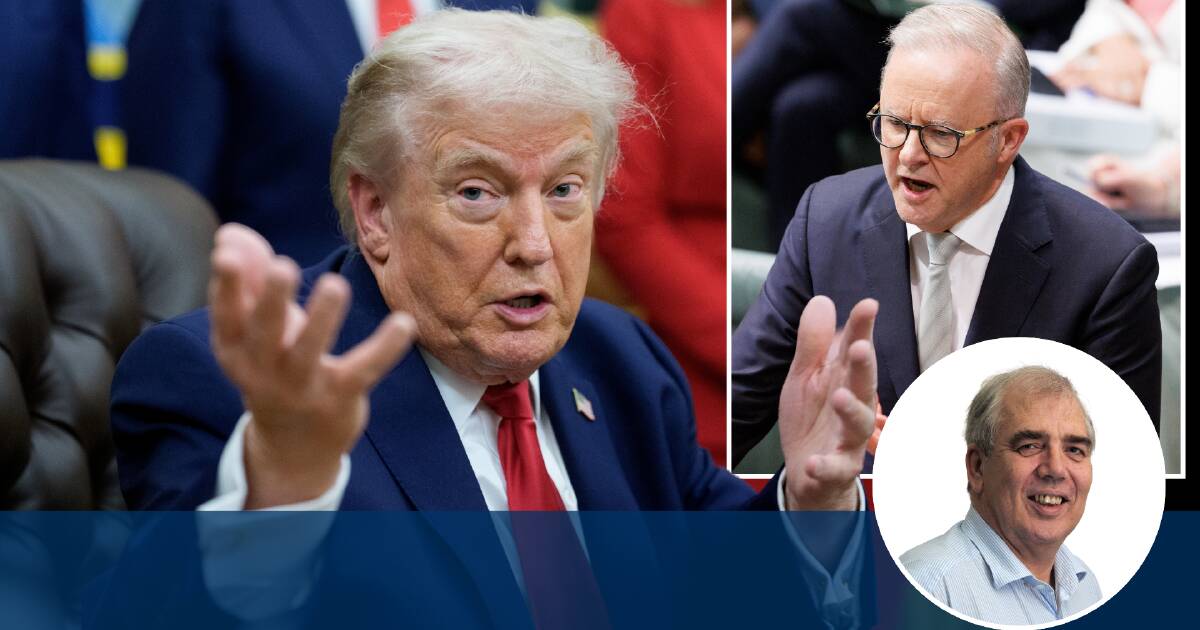



Labor’s resounding 94-seat victory in the recent election set high expectations for bold legislative action, positioning Anthony Albanese’s government as extraordinarily empowered. Yet, political analysts caution that the landslide was broad but shallow, driven by a historically low primary vote and a significant flow of preferences. Despite this, Prime Minister Albanese has declared 2025 as his “year of delivery,” emphasizing action over caution.
Addressing the National Press Club in June, Albanese stated, “We know that delivery matters for all those Australians who voted Labor for lower taxes, stronger Medicare, better education, and new help with the cost of living.” This sentiment echoes throughout his public addresses, as he seeks to frame this year as “a step on the journey, not the destination.”
Legislative Achievements: A Catalogue of Progress
The Saturday Paper has documented 50 pieces of legislation passed into law this term, assessing them against Labor’s campaign promises. Key achievements include long-awaited environmental law reforms, the establishment of an Australian Centre for Disease Control, and measures to make medicines more affordable. Responsive legislation such as the creation of the Triple Zero Custodian and enhanced childcare oversight also feature prominently.
A crossbench source described the legislative agenda as “a case study in attacking the low-hanging fruit, with a few notable exceptions … This isn’t big reform.” However, a senior government insider defended the agenda, highlighting the successful navigation of Senate support for critical reforms. “There’s always a lot of that unspoken stuff that just churns through. But we got a lot of it done,” they noted.
Looking Ahead: Future Legislative Priorities
As Albanese’s year of delivery progresses, attention turns to upcoming legislative priorities. The government is expected to expedite legislation addressing the Bondi terror attack through new hate speech laws and gun reforms. Meanwhile, reforms to freedom of information laws remain contentious, facing opposition from both the Coalition and the Greens.
Other legislative commitments yet to be fulfilled include expanding nurse roles in primary care, punishing misconduct within the National Disability Insurance Scheme, and improving mobile coverage across Australia. Election promises such as addressing financial abuse of women and banning non-compete clauses to support wage growth also remain on the agenda.
Education and Home Affairs: Key Legislative Changes
In education, significant bills have been passed, including the Universities Accord, which reduces student debt by 20%, and the establishment of standards to combat gender-based violence in higher education. In home affairs, legislation has been enacted to implement Australia’s obligations under international agreements and to streamline deportation processes.
Notably, the Australian Security Intelligence Organisation’s questioning warrant framework has been extended, and workplace protection orders have been established to prevent violence in Commonwealth workplaces. Additionally, the government has moved to modernize payment systems and enhance financial system integrity through various treasury laws.
Implications and Future Prospects
While Labor has made strides in addressing voter concerns on cost-of-living and housing affordability, critics point to areas where more ambitious reforms are needed. These include tougher action on gambling advertising, comprehensive tax reform, and significant progress on housing policy.
As the government approaches the second year of its term, traditionally a time to prepare for the next election, the focus will likely shift to more ambitious projects that could define Albanese’s legacy. The coming months will be crucial in determining whether the government can maintain its momentum and fulfill its broader reform agenda.
In conclusion, Albanese’s government has made significant legislative progress, but the challenge remains to address the more complex issues that require bold and innovative solutions. The next steps will be pivotal in shaping the political landscape and meeting the expectations set by their electoral victory.