



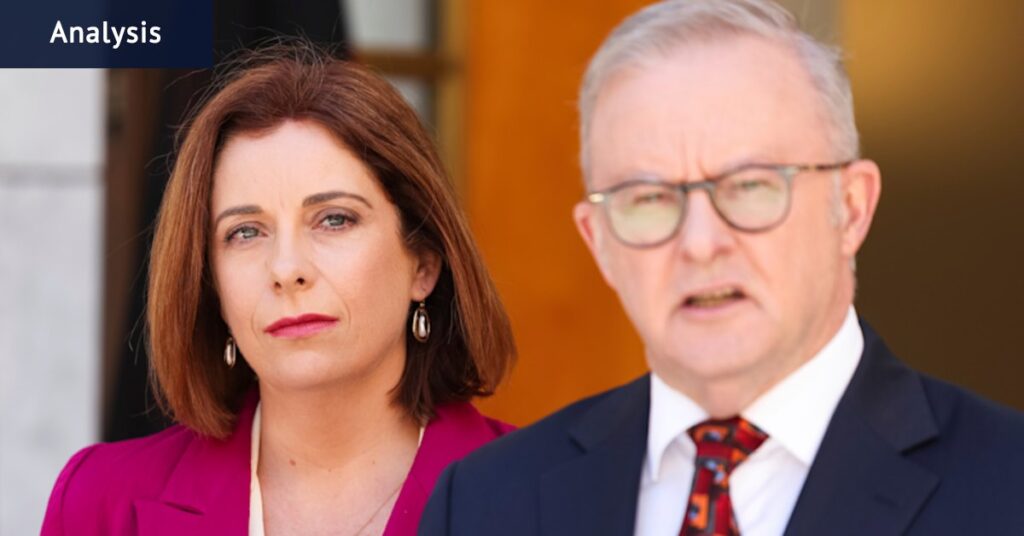
When Anthony Albanese faced off against Andrew Bolt on Channel 10 nearly a decade ago, his words resonated with a truth that continues to echo through Australian politics. Addressing an expenses scandal that had rocked federal politics, Albanese remarked, “The public are sending us a message. To me, it is symptomatic of the conflict that’s there that many Australians feel towards politicians. I think that if we, as politicians, expect respect from the Australian public, clearly we’ve got to respect them.”
In August 2015, then-Prime Minister Tony Abbott announced a review of parliamentary entitlements. His government was under fire following the fallout from Bronwyn Bishop’s decision to charter a $5227 helicopter for a Liberal Party fundraiser, which sparked widespread ridicule and outrage. The scandal prompted a thorough examination of MPs’ travel expenses, revealing a system that seemed increasingly out of touch with public expectations.
The Push for Reform
What began as a scandal surrounding Bishop’s actions quickly became a symbol of a broader systemic issue. Abbott promised a fundamental rewrite of the rules, emphasizing the need for clarity and transparency. This rare alignment between the prime minister and public sentiment underscored the complexity of the entitlements system, which even insiders found difficult to navigate.
Travel expenses, often the source of controversy, were central to the reform efforts. The rules, implemented by the Turnbull government, sought to address the diverse demands faced by MPs, from urban representatives to those in remote regions. Despite the necessity of travel for parliamentary duties, the perception of indulgence in taxpayer-funded travel remained politically sensitive.
Family Reunion Travel: A Controversial Aspect
One of the most contentious aspects of the entitlements system is the provision for family reunion travel. To outsiders, taxpayer-funded flights for MPs’ families might seem like a relic of a more indulgent era. However, the justification lies in what the 2015 review described as the “compact” between voters and their representatives.
The obligations of MPs when determining whether they can claim family reunion expenses include:
- Dominant purpose: Travel must facilitate the family life of the parliamentarian.
- Value for money: Public resources must be used efficiently, with a cost-based limit on family travel.
- Good faith: MPs must act ethically and not disguise personal business as parliamentary work.
- Personal responsibility and accountability: MPs are accountable for their use of public resources.
- Conditions: Expenses must meet all conditions for provision.
The 2015 review, led by David Tune and John Conde, highlighted the unique demands of being a federal MP. They argued that without accommodations for family life, the parliament might only attract those who could afford lengthy separations, limiting the diversity of representation.
Historical Context and Current Implications
The 2015 scandal also ensnared Tony Burke, now Home Affairs Minister, who defended his adherence to the rules amid revelations of significant expenses for family travel. In December 2020, Burke repaid a portion of these costs, acknowledging that while within the rules, they did not align with community expectations.
Burke’s decision set a precedent for current ministers like Anika Wells, whose expenses have recently come under scrutiny. This ongoing tension between the rules and public perception remains a challenge for the Albanese government.
Looking Forward
The current discourse around parliamentary expenses underscores the need for continued transparency and accountability. As Albanese and his colleagues navigate these challenges, they must balance the demands of their roles with the expectations of the public they serve.
Ultimately, the resolution of these tensions will require a commitment to reform and a willingness to engage with the public’s concerns. As Albanese’s 2015 remarks remind us, respect is a two-way street, and the relationship between politicians and the public hinges on mutual understanding and accountability.