


The Albanese government has rejected calls for a federal royal commission into the Bondi Beach terror attack, arguing that such an inquiry would “provide a platform for the worst voices” of antisemitism. The decision has sparked criticism from the victims’ families and Jewish community leaders, who deem the government’s response inadequate.
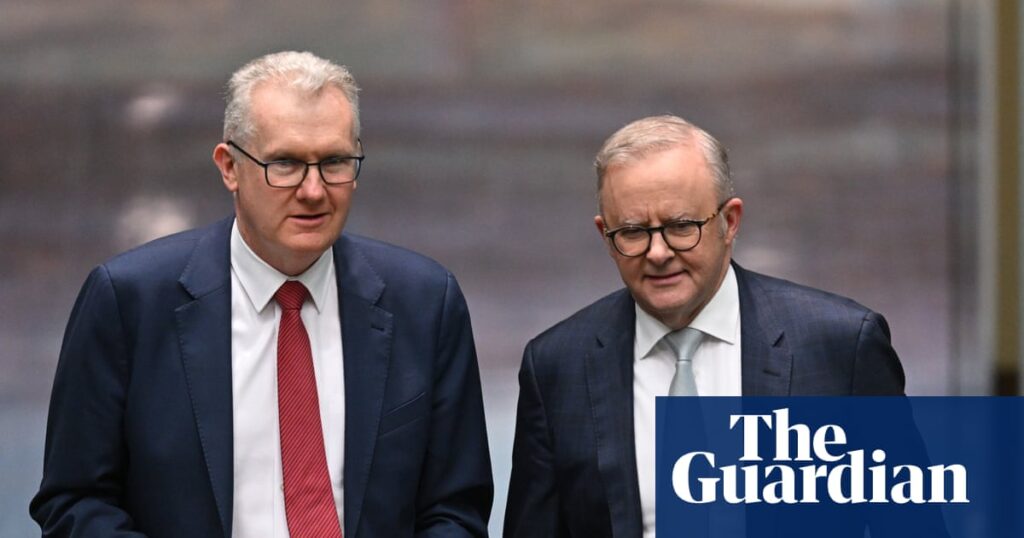
Prime Minister Anthony Albanese stated that a royal commission would be too slow and inappropriate for investigating the attack on a Hanukkah festival that resulted in 15 deaths. Instead, he supports a shorter review of intelligence and law enforcement agencies, a move that has been criticized by Jewish community leaders and several federal MPs as insufficient.
In response to an open letter from the families of 11 Bondi victims, Albanese told a press conference in Canberra on Monday that a royal commission would not be suitable. “The issue there is that royal commissions can be good at deciding facts. What the Richardson review will do is decide facts. Where royal commissions are not as good, is to consider things that are not agreed, where people have differences of views, and to enable, which is what it would do, a repetition of some of the worst developments,” he said.
Government’s Stance and Community Response
Home Affairs Minister Tony Burke echoed Albanese’s sentiments, claiming that a royal commission would “provide a public platform for some of the worst statements and worst voices,” potentially revisiting antisemitic incidents from the past two years. However, Alex Ryvchin, co-CEO of the Executive Council of Australian Jewry, argued that a royal commission is essential, particularly to examine migration and border security systems.
Speaking on the ABC following Albanese’s press conference, Ryvchin insisted that a federal royal commission was “the least that can be done.” He criticized the government’s approach, stating, “The families have spoken very clearly, the community has spoken, and the government’s approach articulated today by the prime minister has been indicative of how they’ve handled this crisis for over two years now. They drag their feet, they don’t listen to the experts and to the community, and then what they propose is an ineffective half measure.”
Richardson Review and Its Scope
Albanese announced that former ASIO chief Dennis Richardson would lead a review to investigate the powers, efficiency, systems, and information sharing by federal law enforcement agencies. This review, expected to report by April, will focus on the federal police and ASIO, examining how the alleged offenders were assessed, what was known about them before the attack, and any barriers to authorities taking better action. It will also consider future actions, including the adequacy of warrant and data access powers.
Burke emphasized that the Richardson inquiry would conclude much faster than a royal commission and noted that its national security elements “don’t lend themselves to public inquiry.” The government also highlighted cooperation with the New South Wales state royal commission, which will include federal agencies in its investigation.
Opposition’s Call for Broader Inquiry
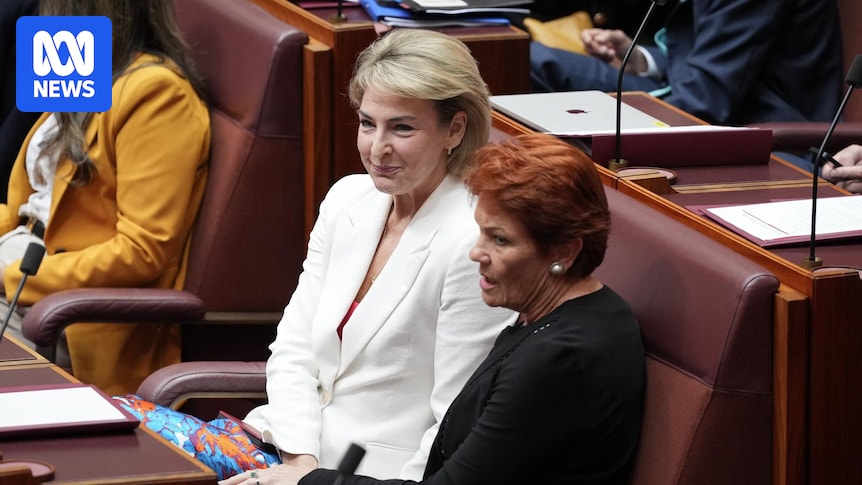
Opposition Leader Sussan Ley has called for a national royal commission to investigate antisemitism across Australia, citing recent incidents nationwide. She urged Albanese to listen to the pleas from the Bondi victims’ families. “Instead of listening to those most affected, the prime minister has decided to speak over them. Instead of the truth, he is hiding behind the process,” Ley said. “Australians do not need to be shielded from the truth. We honour the lives of those who have been lost by confronting uncomfortable truths.”
The Coalition has proposed its own broad terms of reference for a royal commission, which Albanese criticized as overly extensive and potentially requiring a prolonged inquiry. These suggestions include examining the education and migration systems, mainstream media reporting, arts and culture, protests, and social media. Ley expressed her willingness to work with the government to discuss alternative terms for a Commonwealth royal commission.
Implications and Future Steps
The rejection of a royal commission and the decision to proceed with the Richardson review reflect the government’s prioritization of a swift and focused investigation over a comprehensive public inquiry. However, the dissatisfaction among victims’ families and community leaders suggests ongoing tensions and a potential political challenge for the Albanese administration.
As the Richardson review progresses, its findings and recommendations will be closely scrutinized by all stakeholders. The outcome may influence future policy decisions regarding national security, migration, and community relations, particularly in addressing the concerns of minority groups affected by such tragedies.