
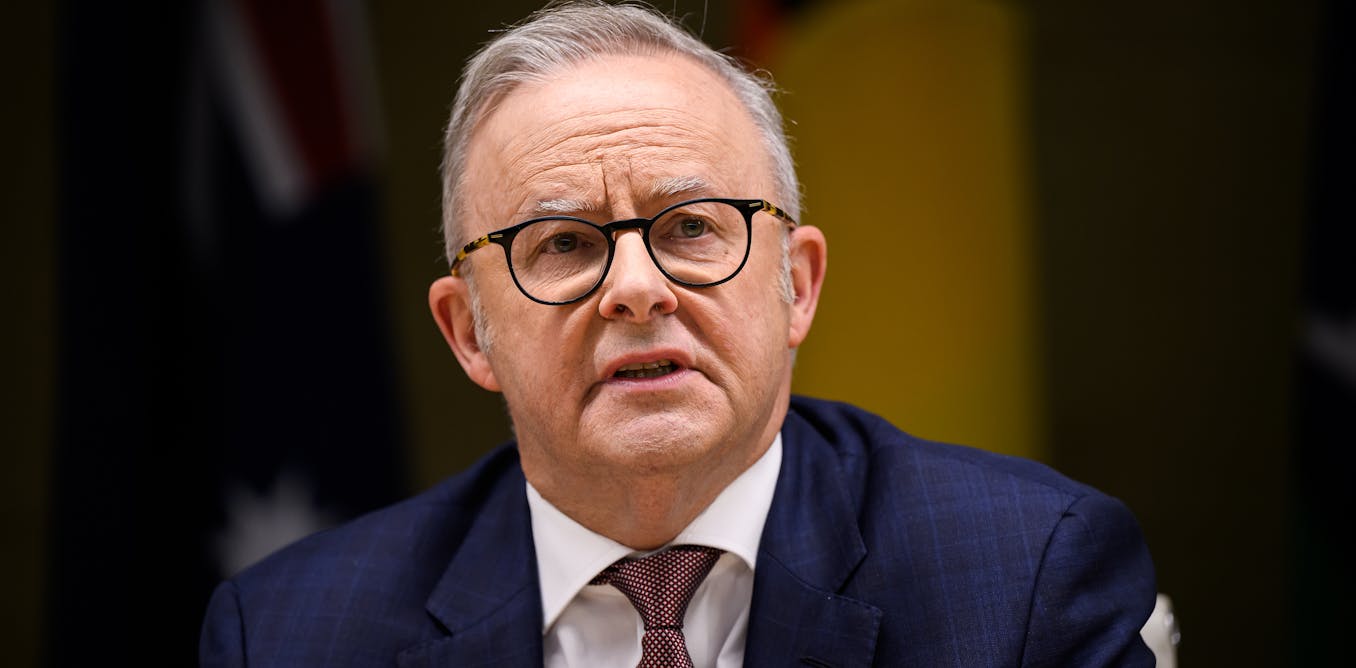


In a candid interview on Tuesday afternoon, Australian Prime Minister Anthony Albanese criticized One Nation for prioritizing the interests of mining magnate Gina Rinehart over those of working-class Australians. He also accused ACT Senator David Pocock of promoting grievances to garner support. The remarks were made during an hour-long YouTube interview with journalist Karl Stefanovic on his independent podcast.
The discussion, which covered topics ranging from Syrian detention camp repatriations to immigration and One Nation’s increasing popularity, marked Albanese’s debut on Stefanovic’s podcast. The show, launched as a solo venture four weeks ago, has predominantly featured right-wing guests, including Pauline Hanson, Barnaby Joyce, and anti-immigration podcasters.
Albanese’s Critique of One Nation
During the interview, Albanese was asked whether One Nation could potentially win seats from Labor by better representing working-class values. He responded by highlighting One Nation’s opposition to various labor advancements, including trade union achievements, penalty rates, and pay increases for workers in sectors like aged care.
“They oppose every advance that trade unions have ever made. They oppose – One Nation – one job, one pay, same job, same pay, which has made such a difference,” Albanese stated.
Albanese also pointed out Hanson’s ties with Rinehart, noting the senator’s acceptance of flights on Rinehart’s private jet to attend events such as the Conservative Political Action Conference and Donald Trump’s Halloween party.
“Hanson represents someone who has always sought division,” Albanese remarked, adding that the polling reflects public frustration with the current political system.
Targeting David Pocock and Other Political Issues
Albanese also directed criticism towards David Pocock, after being asked about claims that Australians pay more tax on beer than mining companies do on resources. Initially attributing the point to the Greens, he later acknowledged it as Pocock’s assertion, accusing the senator of promoting grievances.
“I think David Pocock is someone who seeks to promote grievance as well,” Albanese commented.
In response to Barnaby Joyce’s controversial remarks about immigrants from “shithole” countries, Albanese emphasized Australia’s non-discriminatory policy and the positive contributions of migrants, citing Vietnamese Australians as an example of success despite initial prejudice.
Royal Succession and Controversial Remarks
The interview also touched on international matters, with Albanese confirming his support for removing Andrew Mountbatten-Windsor from the royal line of succession following allegations of misconduct. When asked if this was an attempt to shift focus from the issue of Australians in Syrian camps, Albanese bluntly dismissed the suggestion.
“Karl, I call bullshit,” Albanese retorted.
Stefanovic’s podcast faced criticism for antisemitic comments and neo-Nazi promotions in the live YouTube comment stream during the interview, which were later deleted. Neither Stefanovic nor Nine responded to requests for comment on these incidents.
Implications and Future Outlook
Albanese’s remarks come at a time of growing political tension and shifting public sentiment. The rise in support for One Nation reflects broader dissatisfaction with the traditional political landscape, while debates over immigration and economic policy continue to polarize opinions.
As the political climate evolves, Albanese’s criticisms highlight the challenges faced by major parties in addressing the concerns of diverse voter bases. The prime minister’s willingness to engage in such direct discourse suggests a strategic approach to consolidating support while countering the narratives of rising political opponents.
Looking ahead, the impact of these discussions on upcoming elections and policy decisions remains to be seen. However, the dialogue underscores the importance of addressing both economic and social issues in a rapidly changing political environment.