
Prime Minister Anthony Albanese has issued a heartfelt apology to the Jewish community and the nation following the devastating terror attack at Bondi Beach on December 14, which targeted a Jewish Hanukkah festival. The attack resulted in the tragic loss of 15 lives, casting a shadow over the nation and prompting urgent calls for legislative reform.
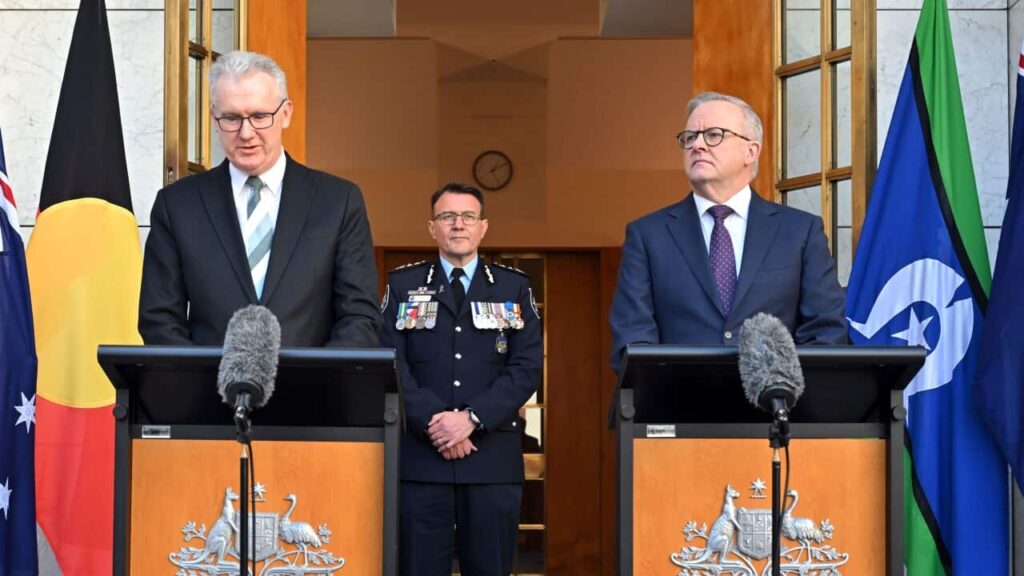
Standing alongside Home Affairs Minister Tony Burke in Canberra, Albanese expressed his deep sense of responsibility for the atrocity. “As prime minister, I feel the weight of responsibility for an atrocity that happened whilst I’m prime minister, and I’m sorry for what the Jewish community and our nation as a whole has experienced,” he stated on Monday.
Proposed Legislative Reforms
The announcement comes as the government unveils a series of proposed legislative changes aimed at preventing such tragedies in the future. These reforms, which the government hopes to pass through parliament next year, include the creation of an aggravated offence for hate preaching.
Attorney-General Michelle Rowland emphasized the urgency of these measures, stating that a new bill will be drafted in the coming weeks to “crack down on those who spread hate, division, and radicalisation in our community.” This legislation will build upon the government’s existing hate speech laws, targeting those who incite violence and division.
“Urgency and unity are needed in the wake of the attack that killed 15 people,” Albanese declared, underscoring the imperative for swift action.
Strengthening Hate Speech Laws
The proposed measures include an aggravated hate speech offence specifically targeting preachers and leaders who promote or threaten violence. Additionally, penalties for hate speech offences will be increased, and hate will be considered an aggravating factor in sentencing across various Commonwealth crimes.
Rowland also announced plans for a new serious vilification offence, which will criminalize the incitement of hatred. This will be developed in consultation with the Jewish community and other stakeholders. Furthermore, the government intends to introduce an aggravated offence targeting adults who seek to radicalize children, particularly those advocating violence against protected groups.
“This unprecedented radicalisation of our youth must stop. We will not allow extremists to groom and brainwash our children into hate or terrorism,” Rowland asserted.
Reforms to Visa Cancellation Powers
Meanwhile, Home Affairs Minister Tony Burke outlined proposed reforms to enhance the minister’s power to cancel visas. Under the new rules, individuals with a history of engaging in hate speech, vilification, or displaying hate symbols could have their visas revoked.
Burke explained, “Somebody who engages and has a history of engaging in hate speech, in vilification, in displaying hate symbols, will of itself be enough to cancel the visa.” He stressed that the focus will be on whether such actions incite discord within the community.
Additionally, Burke announced changes to customs laws to facilitate the interception of hate symbols at the border and the establishment of a new listing system for organizations not currently classified as terrorist groups.
Historical Context and Expert Opinions
This development follows a growing trend of governments worldwide taking a firmer stance against hate speech and radicalization. Experts highlight the importance of balancing national security with civil liberties, a challenge that many countries face in the digital age.
Dr. Emily Harrison, a political analyst specializing in counter-terrorism, notes, “The proposed reforms reflect a broader global movement towards stricter regulation of hate speech and extremist activities. However, it is crucial to ensure that these laws are applied fairly and do not infringe on freedom of expression.”
The move represents a significant shift in Australia’s approach to combating extremism, with a focus on prevention and early intervention. The government’s commitment to consulting with affected communities is seen as a positive step towards fostering inclusivity and understanding.
Looking Ahead
As the government prepares to introduce these legislative changes, the nation watches closely. The effectiveness of these measures will be scrutinized, particularly in light of the ongoing debate over the balance between security and civil liberties.
The next steps involve drafting the proposed bills and engaging with stakeholders to refine the legislation. The government aims to present these reforms to parliament early next year, with the hope of achieving bipartisan support.
For the latest updates on this developing story, stay tuned to SBS News and subscribe to our newsletter for comprehensive coverage.