

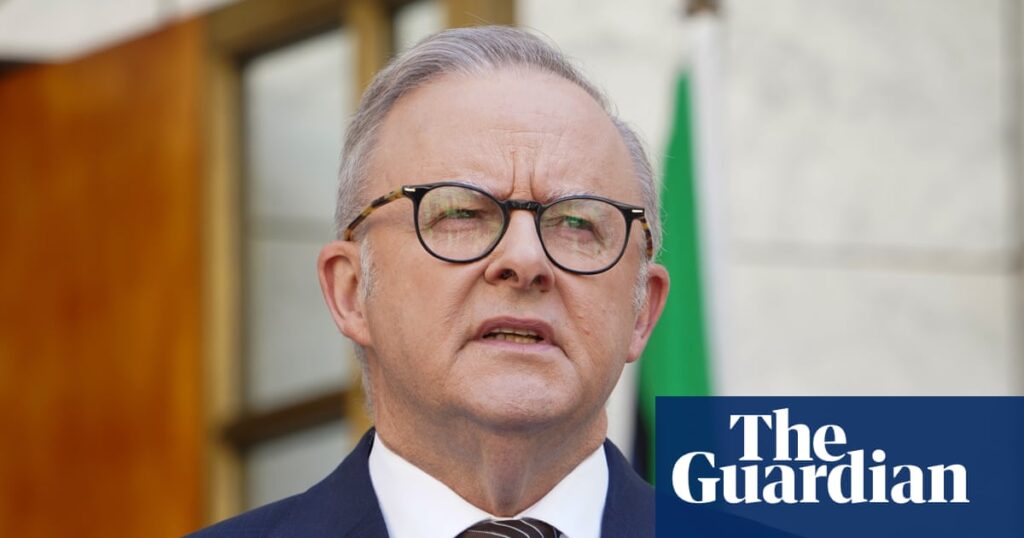
Australian Prime Minister Anthony Albanese has called for a “peaceful, democratic transition” of power in Venezuela following the dramatic capture of Nicolás Maduro by the US military. While supporting a change in leadership, Albanese emphasized the importance of adhering to international law.
In a measured statement, Albanese noted that his government is “monitoring developments” closely after Venezuela’s president and his wife were apprehended and transported to the United States. “We urge all parties to support dialogue and diplomacy in order to secure regional stability and prevent escalation,” he stated.
Australia’s Stance on Venezuela
Australia has consistently expressed concerns about the political situation in Venezuela, particularly regarding the respect for democratic principles, human rights, and fundamental freedoms. Albanese reiterated Australia’s commitment to international law and the pursuit of a peaceful transition that reflects the will of the Venezuelan people.
The Australian government’s Smartraveller website advises against travel to Venezuela due to the precarious security situation, highlighting threats of violent crime, political and economic instability, and the risk of arbitrary detention.
“Do not travel to Venezuela due to the dangerous security situation, the threat of violent crime, political and economic instability and risk of arbitrary detention,” the advisory states.
Venezuelan Community and Political Reactions
The Venezuelan Association of Australia expressed solidarity with Venezuelans worldwide, acknowledging the complex emotions stemming from years of political repression and family separation. “Our hope remains for a free, democratic, and united Venezuela where people can live with dignity and opportunity,” the group stated.
Australia’s opposition leader, Sussan Ley, welcomed Maduro’s removal, emphasizing the need for dictators and despots to face justice. “Under his rule, Venezuela has endured years of repression, systemic human rights abuses, corruption, and the crushing of basic democratic freedoms,” Ley remarked.
Conversely, the Greens’ defence spokesperson, David Shoebridge, criticized the US intervention as a breach of international law, arguing that it exacerbates global instability. “This US war is not about self-defence; like so many before it, this is a war about resources, oil, and dominance,” Shoebridge asserted.
Global Reactions and Historical Context
The US military’s operation in Venezuela has sparked varied reactions worldwide. Former US President Donald Trump announced that the US would indefinitely “run the country” and seize its substantial oil reserves, a move that has drawn condemnation from Venezuela’s allies, including Russia, Cuba, and Iran.
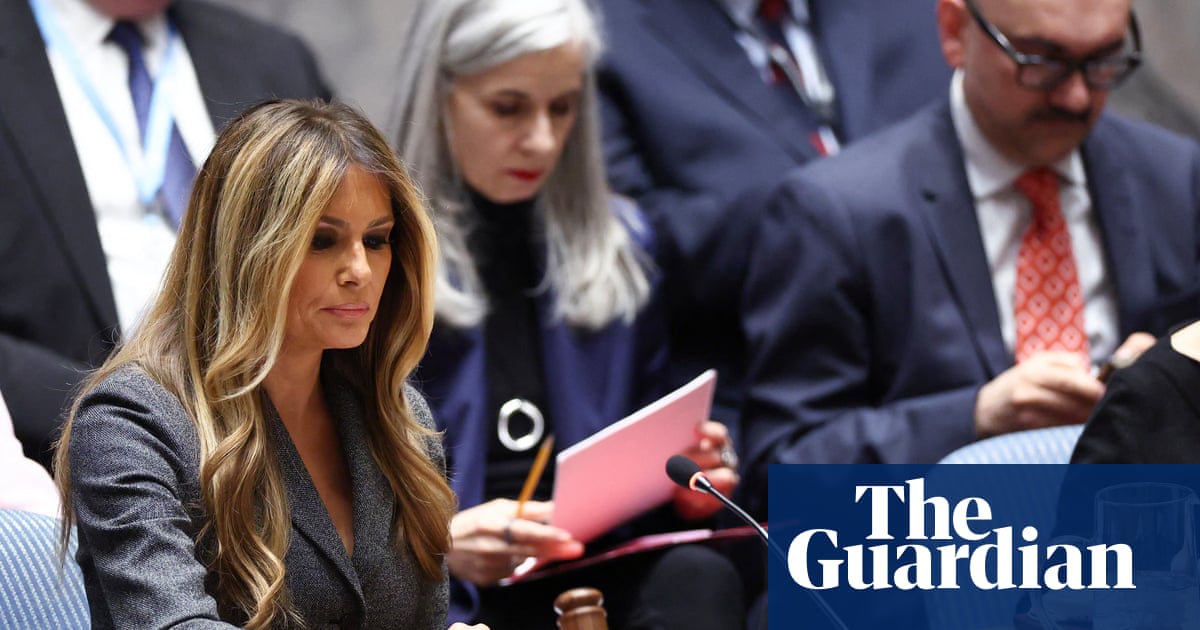
Latin American leaders are divided, with Argentina’s president praising Venezuela’s newfound “freedom,” while Mexico and Brazil criticized the intervention. The UN Security Council is set to convene an emergency meeting to address the situation.
Historically, Venezuela has been embroiled in political turmoil, particularly since Maduro’s controversial re-election in 2018. In July 2024, Maduro appeared to suffer a significant electoral defeat, yet he maintained power through a crackdown on opposition.
In 2020, Maduro was indicted in US federal court on narco-terrorism charges, allegations he has consistently denied.
International Leaders Weigh In
UK Prime Minister Keir Starmer expressed no remorse over Maduro’s ousting, aligning with the UK’s longstanding support for a transition of power in Venezuela. French President Emmanuel Macron and Canada’s Foreign Minister Anita Ananda echoed similar sentiments, condemning Maduro’s regime for its repression and human rights violations.
The global community remains watchful as the situation in Venezuela unfolds, with many advocating for a resolution that respects the sovereignty and democratic aspirations of the Venezuelan people. The coming days will likely determine the trajectory of this crisis and its impact on international relations.