


As the holiday season intensifies, a new scam targeting airline passengers has emerged, exploiting travelers at their most vulnerable moments. Rachel Dodes, a recent victim, shares her harrowing experience of falling prey to this increasingly sophisticated deception while en route to Newark Airport, New Jersey.
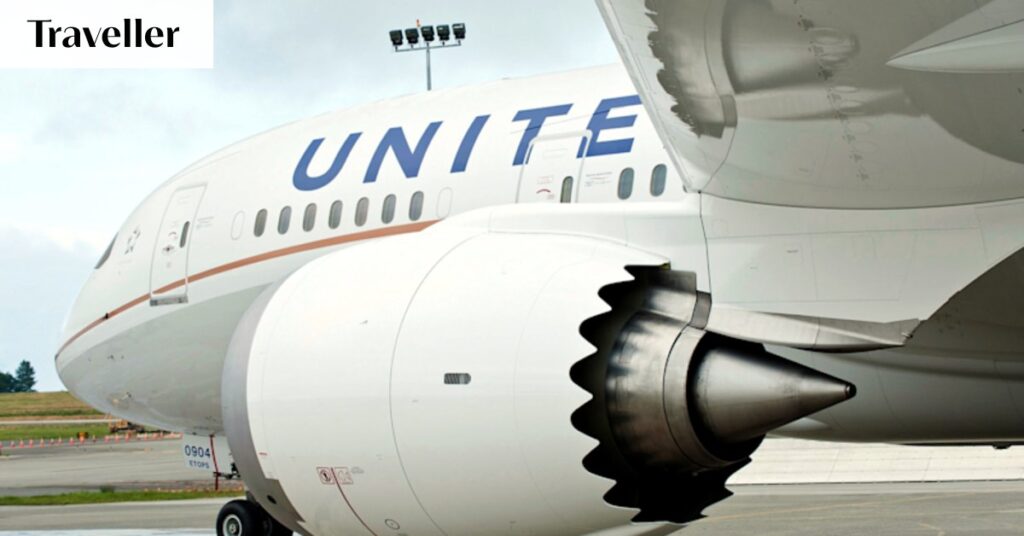
In a rush to catch a flight to Berlin, Dodes found herself stuck in traffic, overwhelmed by a series of unfortunate events including construction delays and multiple canceled rideshares. In a moment of desperation, she called what she believed to be United Airlines’ customer service, only to be connected to a scammer posing as an empathetic airline agent named Sheldon. The scammer convinced her to pay $2,136.72 for new tickets on a Lufthansa flight, exploiting her emotional state and urgency to travel.
Rise of Business-Impostor Scams
This incident is part of a broader trend identified by the US Federal Trade Commission as business-impostor scams. These scams involve fraudsters impersonating trusted companies to extract money and personal data from unsuspecting victims. The techniques vary, from fake social media profiles to phishing emails, but the goal remains the same: to exploit stressed travelers.
In Dodes’ case, the scammer took advantage of weaknesses in Google’s ad-screening system, allowing fraudulent sponsored results to appear prominently in search results. Despite reporting the fake ad, Dodes found it reappeared shortly after, highlighting the challenges tech companies face in combating such scams.
The Role of Technology in Scams
John Breyault, vice president of public policy at the US National Consumers League, explains that the proliferation of AI tools has “supercharged fraud.” Scammers now use advanced technology to craft convincing phishing texts and emails, create fake websites, and manipulate search results, all at a lower cost and larger scale than ever before.
“Urgency is what the scammers depend on to defraud their victims,” Breyault says. “Nothing feels more urgent than sitting in an airport figuring out what to do so you can be with your family for the holidays.”
With the increasing reliance on AI-powered customer service tools, travelers often find themselves interacting with bots rather than humans, making it easier for scammers to deceive them. Dodes experienced this firsthand when she attempted to contact United Airlines through their app, only to be redirected to a fraudulent phone number.
Efforts to Combat Scams
United Airlines and Google have both issued statements regarding their efforts to protect consumers from scams. United encourages customers to use official contact information from their website and app, while Google claims to have blocked over 415 million ads for scam-related violations last year. Despite these efforts, many impostor ads continue to slip through the cracks.
In the aftermath of her ordeal, Dodes took several steps to mitigate the damage, including contesting the fraudulent charge with American Express, filing a complaint with the FTC, and placing a fraud alert on her credit report. Her story serves as a cautionary tale for travelers to remain vigilant and proactive in protecting themselves from scams.
Protecting Yourself from Travel Scams
John Breyault offers several tips for consumers to safeguard against travel scams:
- Save the airline’s official contact number in your phone before traveling.
- Only reach out to airlines through their official apps or websites.
- If defrauded, immediately contact your bank or credit card company.
- File complaints with consumer protection authorities.
- Enable multifactor authentication on airline accounts to protect against unauthorized access.
As Dodes and her family eventually made it to Berlin in time for Thanksgiving, the experience left a lasting impression. Her story underscores the importance of vigilance and skepticism, especially during high-stress travel periods.
For more travel tips and news, sign up for the Traveller newsletter and stay informed on the latest developments in the travel industry.